
Carne Asada Recipe: How to Make It at Home
Carne asada is thin beef steak, usually skirt or flank, that is marinated and then grilled hot and fast over charcoal or wood. To make it at home, marinate the steak in citrus, garlic, chile and salt for 2 to 8 hours. Then sear it over very high heat, rest it, and slice it thin against the grain.
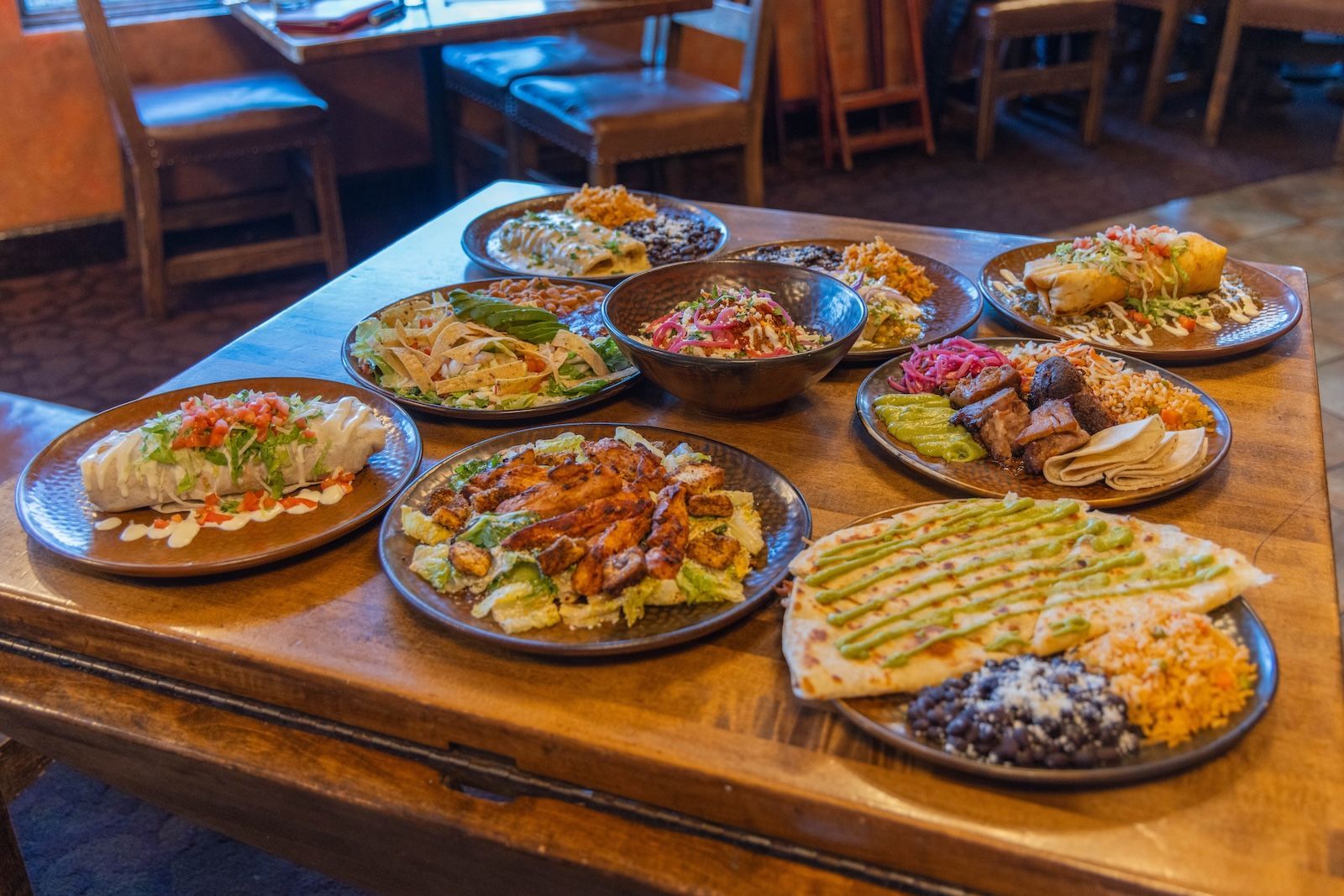
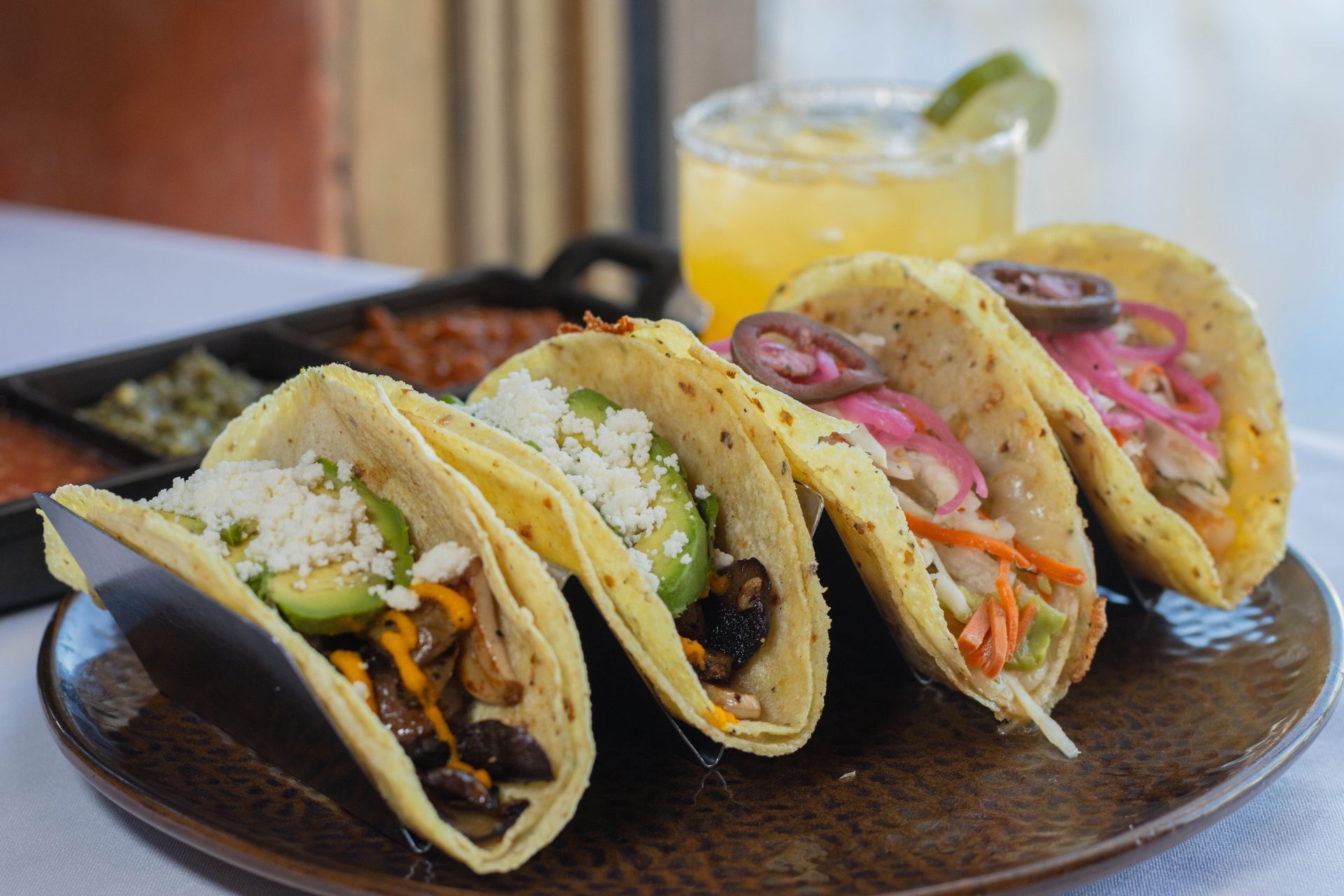
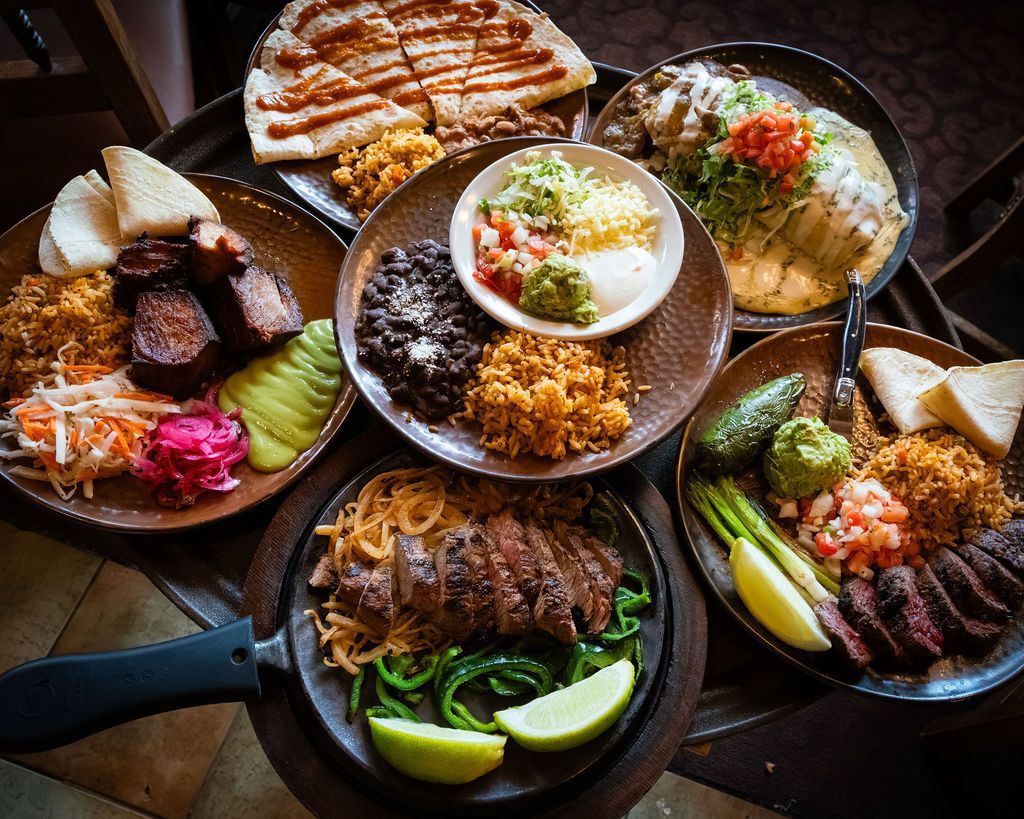
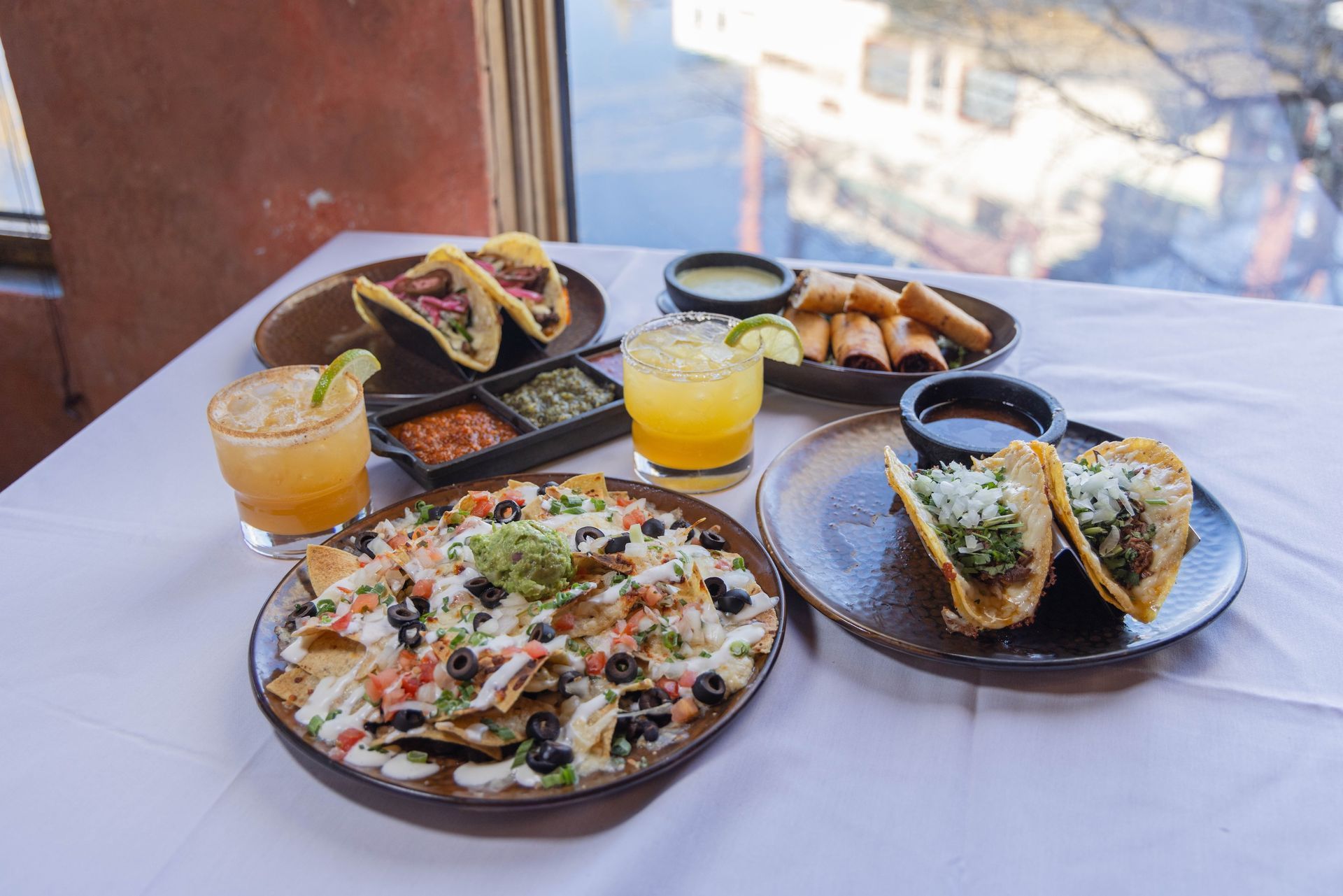
The finished beef goes into tacos, burritos and plates with rice and beans. If you would rather eat grilled steak than cook it, the ancho grilled steak tacos at Mi Casa are the closest dish on the Mi Casa menu.
This recipe covers the best cut, the marinade, grill and stovetop methods, slicing, safe internal temperature, high-altitude notes, storage and the questions home cooks ask most.
What Is Carne Asada?
Carne asada is grilled and sliced beef, most often skirt, flap or flank steak. The Spanish name means roasted or grilled meat. The dish is believed to come from northern Mexico, especially Nuevo León and Sonora, where ranching culture runs deep.
In northern Mexico the words also name a backyard gathering, much like a barbecue. For the full story of the name, the regions and how it is eaten, read the guide to the meaning and origin of carne asada. This page sticks to making it.
Best Meat for Carne Asada
The best meat for carne asada is skirt steak, with flank steak a close second. Both are thin, full of beefy flavor and quick to cook over high heat.
Skirt steak is the trimmed, boneless diaphragm muscle from the plate. It is prized for flavor more than tenderness, so it takes well to a marinade and a quick sear. Flank steak comes from the abdominal muscles behind the plate. It is long and flat, with a pronounced grain, and it is sliced thin to cut its chew.
- Outside skirt: Diaphragm (plate) (texture: Loose grain, rich, beefy; grill time per side (hot fire): 3 to 4 minutes; notes: The classic choice)
- Inside skirt: Diaphragm (plate) (texture: Slightly firmer, very flavorful; grill time per side (hot fire): 3 to 5 minutes; notes: Often confused with flank)
- Flank: Abdominal muscles (texture: Lean, firm, long grain; grill time per side (hot fire): 5 to 7 minutes; notes: Thicker; slice very thin)
- Flap (bavette): Bottom sirloin (texture: Thin, fibrous, flavorful; grill time per side (hot fire): 4 to 6 minutes; notes: Used for carne asada in Mexico)
- Chuck steak (diezmillo): Shoulder (texture: Tougher, marbled; grill time per side (hot fire): 4 to 6 minutes; notes: Chop fine after grilling)
In Mexico, butchers sell low-cost thin cuts as carne ranchera. You can buy it already marinated ("preparada") or plain ("no preparada") to season at home.
Buy about 1/3 to 1/2 pound of raw steak per person. Skirt and flank lose some weight on the grill, and leftovers are easy to use.
Carne Asada Ingredients
This recipe serves 6 and makes enough beef for about 18 tacos.
For the Marinade
- 2 pounds skirt steak or flank steak, trimmed of thick fat and silver skin
- 1/2 cup fresh orange juice (about 1 large orange)
- 1/4 cup fresh lime juice (2 to 3 limes)
- 1/4 cup neutral oil or light olive oil
- 5 garlic cloves, minced
- 1 jalapeño, seeded and minced (keep the seeds for more heat)
- 1/2 cup chopped cilantro, leaves and tender stems
- 1 tablespoon ancho chile powder
- 1 teaspoon ground cumin
- 1 teaspoon dried Mexican oregano
- 2 teaspoons kosher salt
- 1/2 teaspoon black pepper
- 1 tablespoon white vinegar (optional, for extra tang)
For Serving
- 18 warm corn or flour tortillas
- 1 white onion, finely diced
- 1 cup chopped cilantro
- Lime wedges
- Salsa, guacamole and grilled green onions (cebollitas)
Equipment
- Charcoal grill (best), gas grill or a heavy cast iron skillet
- Large zip-top bag or glass or stainless steel dish for marinating
- Instant-read meat thermometer
- Tongs and a large cutting board with a juice groove
- Sharp chef's knife
- Foil for resting the meat
How to Make Carne Asada
- Trim the steak. Cut off thick fat and silver skin. If a skirt steak is very long, cut it into pieces 6 to 8 inches long so it fits the grill.
- Mix the marinade. Whisk the orange juice, lime juice, oil, garlic, jalapeño, cilantro, ancho powder, cumin, oregano, salt, pepper and vinegar in a bowl.
- Marinate in the fridge. Put the steak and marinade in a bag or dish, coat it well and refrigerate. Always marinate raw meat in the refrigerator, never on the counter.
- Time it. Marinate for 2 to 8 hours. Do not go past 12 hours, because the citrus turns the surface soft and mealy.
- Light the grill. Build a hot charcoal fire, or heat a gas grill on high for 10 to 15 minutes. You should only manage to hold your hand above the grate for 2 seconds.
- Take the steak out. Remove it from the bag and scrape off the garlic and cilantro bits, which burn. Pat the surface dry with paper towels so it browns instead of steaming.
- Oil the grate. Rub the clean grate with a paper towel dipped in high-heat oil, held in tongs.
- Grill hot and fast. Lay the steak over the hottest part of the fire. Grill skirt 3 to 4 minutes per side and flank 5 to 7 minutes per side, until deeply charred.
- Check the temperature. Push the thermometer into the thickest part from the side. Pull the steak at 145 °F for the USDA safe minimum.
- Rest. Move the steak to the board, tent loosely with foil and rest it for at least 3 minutes, ideally 5 to 10.
- Slice and serve. Slice thin against the grain, then chop it for tacos or leave it in strips for plates.
Throw away the used marinade. If you want a sauce, set aside some fresh marinade before the raw meat goes in. Marinade that touched raw meat must be brought to a boil before it is safe to serve.
How to Cook Carne Asada on the Stove or Under the Broiler
You can make carne asada without a grill. You lose some smoke, but a very hot pan still gives a good char.
Cast iron skillet: Heat a dry cast iron pan over high heat for 5 minutes, until it just starts to smoke. Add a thin film of oil. Sear the steak in batches for 3 to 5 minutes per side, and do not crowd the pan. Open a window and turn on the vent fan.
Broiler: Set the oven rack 3 to 4 inches below the broiler and heat it on high. Lay the steak on a foil-lined sheet pan. Broil 4 to 6 minutes per side, watching closely.
Taqueria-style griddle: Many taco shops sear thin or shaved beef on a flat-top griddle and chop it as it cooks. At home, slice the raw marinated steak thin first. Sear it in a hot skillet for about a minute, then break it up and brown it all over. This is the fastest weeknight method.
How to Slice Carne Asada
Slicing is the step that decides whether skirt and flank eat tender or chewy. Both cuts have long muscle fibers you can see as lines running across the meat.
- Find the grain: the parallel lines on the surface.
- Turn the steak so the lines run left to right in front of you.
- Cut straight down across the lines, not along them, in slices about 1/4 inch thick.
- For skirt steak, first cut the long strip into 4- to 5-inch sections. Then turn each section 90 degrees and slice.
- For tacos, chop the slices into small pieces. Chopping also hides any remaining toughness.
Cutting across the fibers leaves each piece with short strands that break easily when you bite. Cutting along them leaves long strands that pull and chew.
Doneness and Safe Internal Temperature
The USDA safe minimum internal temperature for beef steaks is 145 °F, followed by a rest of at least 3 minutes. Ground beef needs 160 °F, but carne asada is whole steak, so 145 °F applies.
Skirt and flank are thin, so they go from rare to well done in a minute or two. Check early. A thermometer is the only reliable test, because the heavy char from the marinade makes the outside look done before the inside is.
- 145 °F, rested 3 minutes: Pink center, juicy (notes: USDA safe minimum for steak)
- 150 to 155 °F: Light pink (notes: Still tender if sliced thin)
- 160 °F and above: Brown throughout (notes: Skirt and flank turn tough and dry)
High-Altitude Notes for Breckenridge and Mountain Kitchens
Breckenridge sits at about 9,600 feet above sea level. Grilling a thin steak works almost the same up here, but three things change.
- Food dries faster. Low humidity at high elevation makes moisture in food evaporate more quickly during cooking. Overcooked skirt steak turns leathery sooner, so use a thermometer and do not walk away.
- Water boils cooler. Water boils at 212 °F at sea level and about 193 °F at 10,000 feet. This does not affect the grill, but beans and rice served alongside take longer to cook.
- Charcoal and wind. Mountain afternoons are often windy and cool. Use a full chimney of charcoal, keep the lid nearby and give the grill extra time to heat.
Oven temperatures are not affected by elevation. The broiler method works the same as at sea level.
Tips for the Best Carne Asada
- Get the fire very hot. The char is the flavor. A lukewarm grill steams the meat gray.
- Dry the surface. Wet meat will not brown. Pat it dry after marinating.
- Salt is enough when time is short. Many recipes keep seasoning minimal, and good salt is often enough. If you skip the marinade, salt the steak 40 minutes ahead.
- Do not press the meat. Pressing with a spatula squeezes out juice.
- Grill the onions too. Green onions and halved jalapeños char in 3 to 4 minutes next to the steak.
- Warm the tortillas on the grill. Give each one 20 to 30 seconds per side, then wrap them in a towel.
- Use leftover flour tortillas soft. Northern Mexico often pairs carne asada with flour tortillas; this guide to making soft flour tortillas from scratch gives the dough.
Variations
- Northern style: Coarse salt only, grilled over charcoal, served with flour tortillas and beans.
- Chipotle carne asada: Blend 2 chipotle chiles in adobo into the marinade for smoke and heat.
- Ancho garlic: Double the ancho powder and add 1 tablespoon honey. This is close in spirit to the ancho grilled steak at Mi Casa.
- Beer marinade: Swap the orange juice for 3/4 cup Mexican lager.
- Carne asada fries: A Mexican-American dish from San Diego: fries topped with chopped carne asada, guacamole, sour cream and cheese.
- Steak fajitas: Slice the same steak into strips and sizzle it with peppers and onions; the skillet fajitas method covers the details.
How to Serve Carne Asada
Carne asada works as a main course or as a filling. Serve it in one of these ways:
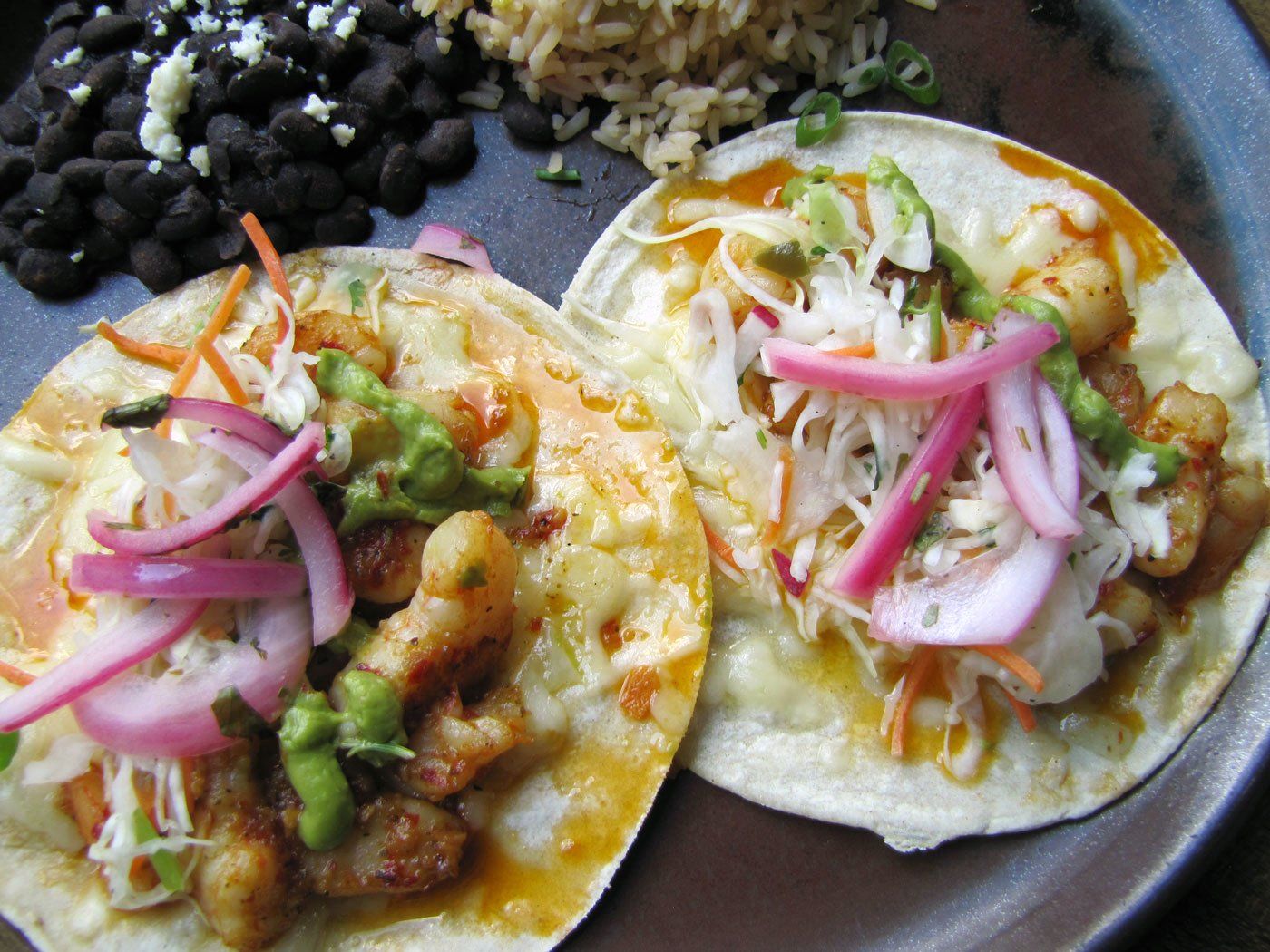
- Tacos: Chopped beef on doubled corn tortillas with onion, cilantro, lime and salsa.
- Burritos: Wrapped in a large flour tortilla with rice, beans and guacamole. See the step-by-step burrito rolling guide.
- Plate: Sliced steak with rice, charro or refried beans, grilled onions and warm tortillas.
- Tortas, quesadillas and nachos: Chopped beef reheated in a pan and layered with cheese.
For toppings, a bright red table salsa cuts the richness; a recipe for fresh tomato salsa pairs well. A bowl of chunky homemade guacamole is the other must. For full side dish ideas, see sides that go with any taco night. To drink, a classic lime margarita or a cold Mexican lager are traditional matches.
Make-Ahead, Storage and Reheating
- Make ahead: Mix the marinade up to 2 days ahead and keep it covered in the fridge. Marinate the steak the morning of the cookout.
- Freeze raw: Freeze the steak in the marinade in a flat bag. Thaw it in the fridge overnight; it will marinate as it thaws.
- Refrigerate cooked meat: Refrigerate leftovers within 2 hours of serving and eat them within 3 to 4 days.
- Freeze cooked meat: Freeze sliced carne asada in airtight bags and use it within 3 to 4 months.
- Reheat: Heat chopped beef in a hot skillet with a splash of water or lime juice until it reaches 165 °F, the temperature for reheated leftovers. A quick, hot reheat keeps it from drying out.
Frequently Asked Questions
How long should carne asada marinate?
Marinate carne asada for 2 to 8 hours in the refrigerator. Even 30 minutes adds flavor if you are short on time. Avoid going past 12 hours, because the lime and orange juice soften the surface into a mushy texture.
Is carne asada skirt or flank steak?
Carne asada can be either, and both are traditional. Skirt steak is richer and more tender when sliced right. Flank steak is leaner, thicker and easier to find. Flap meat and thin chuck steak also work.
Can you make carne asada without a grill?
Yes. Sear the steak in a smoking-hot cast iron skillet for 3 to 5 minutes per side, or broil it close to the heat. You lose the wood or charcoal smoke, but the marinade still caramelizes and chars.
Why is my carne asada tough?
Tough carne asada is usually sliced with the grain or cooked well past 145 °F. Slice thin across the muscle fibers and pull the steak as soon as it reaches temperature. Chopping the slices for tacos also helps.
Can you freeze carne asada?
Yes, raw or cooked. Freeze raw steak in its marinade and thaw it in the fridge. Freeze cooked, sliced beef in airtight bags and use it within 3 to 4 months.
What cheese goes with carne asada?
Classic street-style carne asada tacos use no cheese, only onion, cilantro and salsa. For quesadillas and burritos, use a melting cheese such as asadero, Oaxaca or Monterey Jack. Crumbled queso fresco or cotija works as a topping.
Ancho Grilled Steak at Mi Casa in Breckenridge
Mi Casa Mexican Restaurant & Cantina has cooked from scratch in Breckenridge since 1981, steps from the Peak 9 base. We do not list a dish called carne asada. Our closest plate is the steak taco: ancho grilled steak with bacon sweet corn salsa, agave jalapeño aioli, asadero jack cheese, lettuce and tomato. The same ancho grilled steak fills our steak burrito. Steak tacos are also in the rotating two-for-$8 street tacos at our daily cantina happy hour, 2 to 5 pm. See the full Mi Casa food menu before you come in.