
Mexican Rice Recipe: How to Make It at Home
Mexican rice is long-grain white rice toasted in oil, then simmered in a broth blended with tomato, onion and garlic. In Mexico it is usually called arroz rojo, or red rice.
To make it, rinse the rice, fry it until golden, pour in the tomato broth, cover and simmer for about 20 minutes. Rest it off the heat, then fluff it with a fork. The grains come out tender, separate and orange-red.
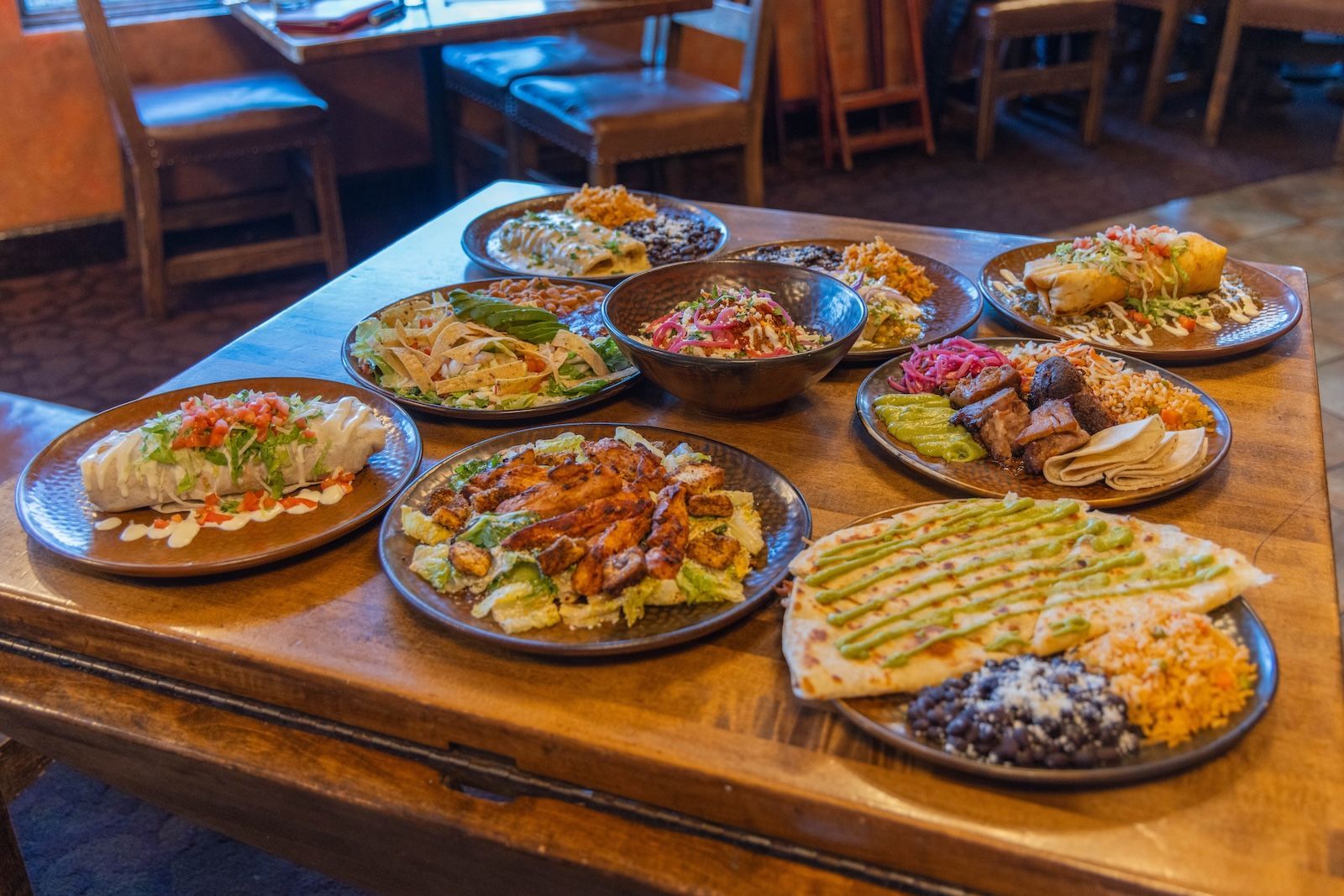
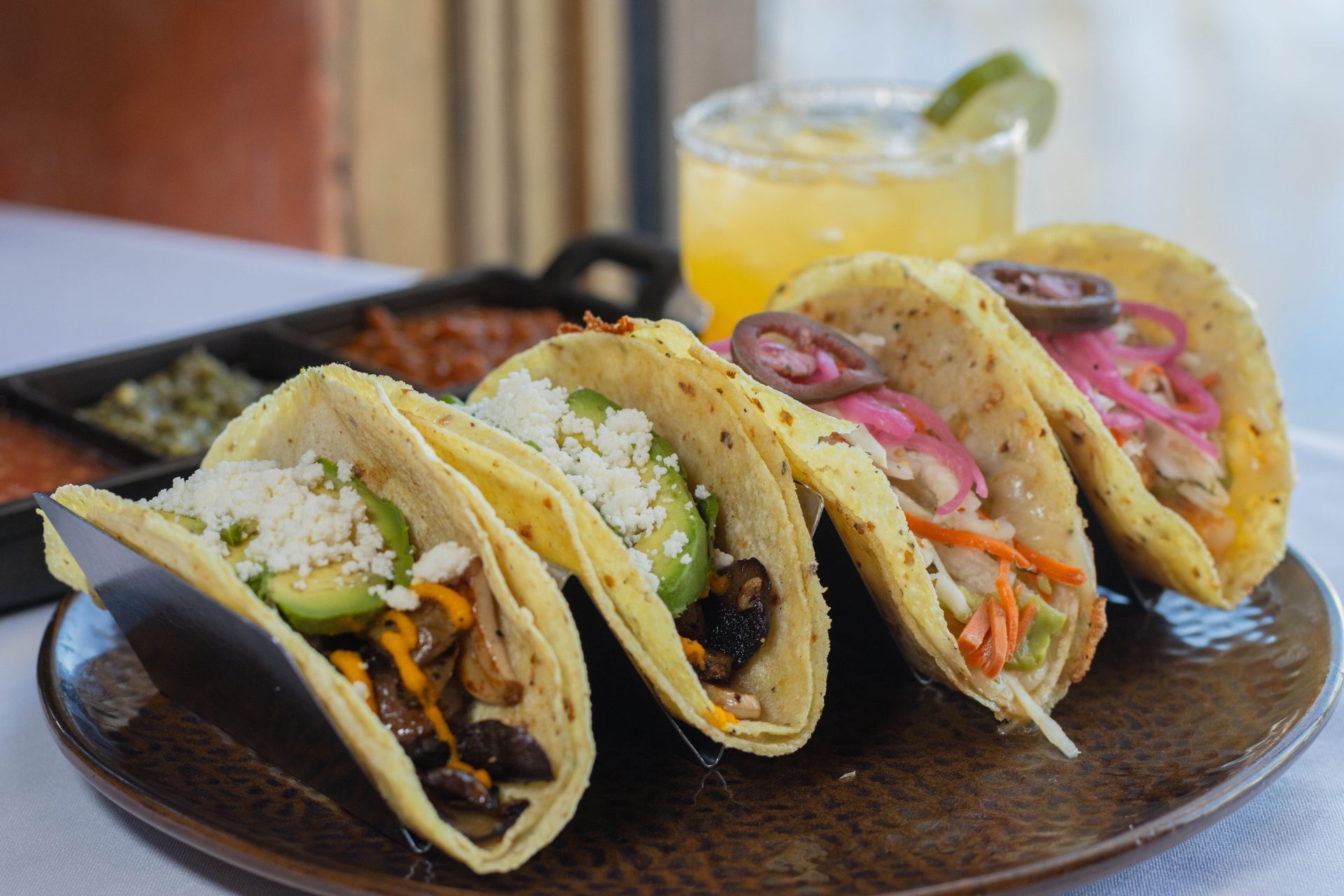
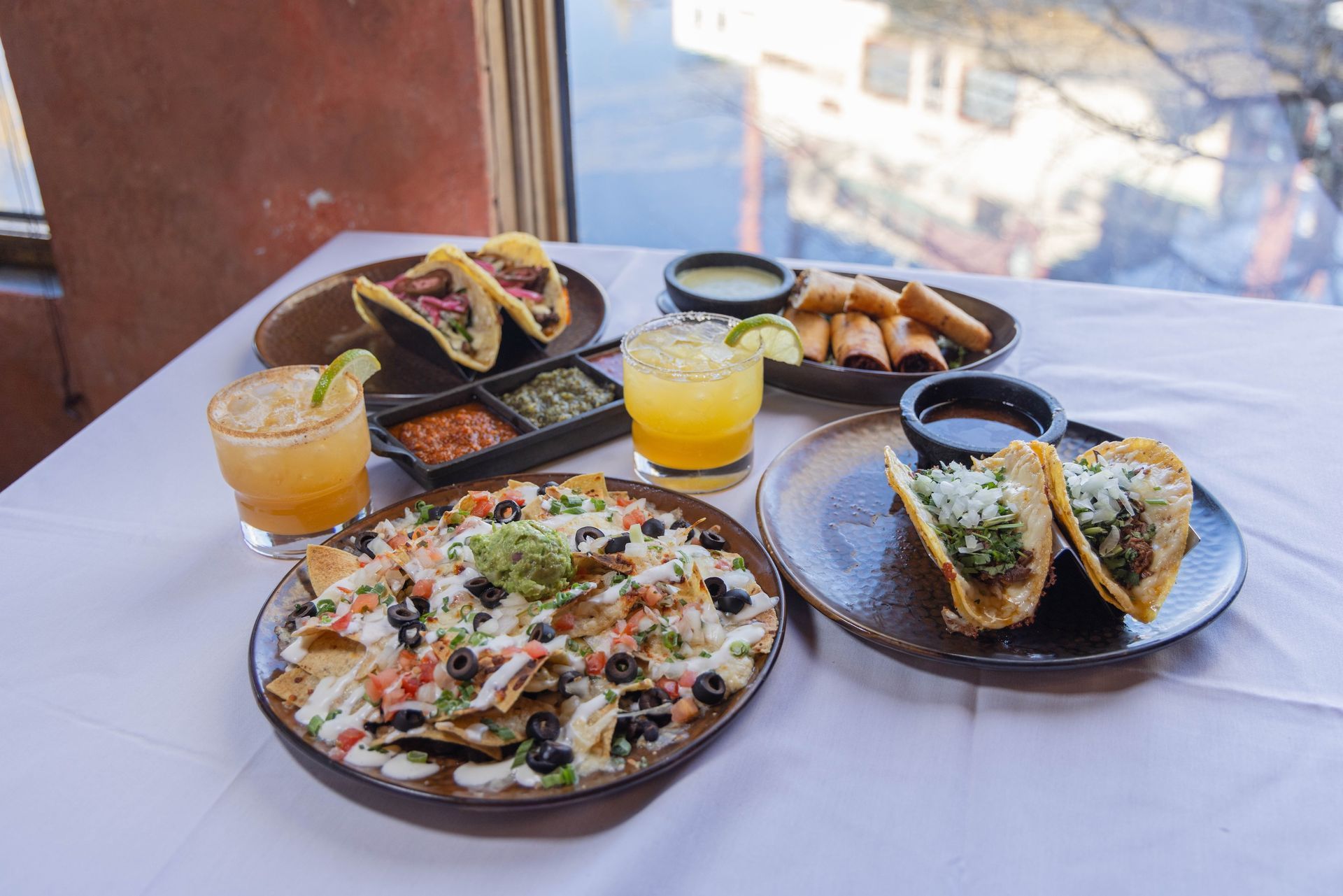
This recipe covers the ingredients, the method, the tips that keep the grains fluffy and the changes needed at high altitude. It also covers variations, storage and what to eat with it, from tacos to a plate of cheese and chicken enchiladas. Mexican rice is the side we serve with the scratch-made tacos at Mi Casa in Breckenridge.
What Is Mexican Rice?
Mexican rice is a side dish of white rice cooked in a tomato-based broth. Its names in Mexico include arroz rojo, arroz a la mexicana, arroz mexicano and sopa de arroz.
The core ingredients are white rice, tomato, garlic, onion and broth. The broth can be chicken broth, vegetable stock or water seasoned with chicken bouillon. Carrots, corn or peas are common additions.
The Spanish brought rice to Mexico as early as the 16th century. Today the dish is especially popular in central and northern Mexico and in the southwestern United States. It is one of the most common preparations in Mexican cooking and is eaten year-round.
It is a hot side, not a main course. It sits next to mole, refried beans, carne asada, tacos, fried fish and chiles rellenos.
Mexican Rice Ingredients
This recipe makes about 6 servings, roughly 5 cups of cooked rice.
- Long-grain white rice: 1 1/2 cups (why it is there: Cooks into separate, fluffy grains)
- Neutral oil (or lard): 2 tablespoons (why it is there: Toasts the rice)
- Roma tomatoes: 2 medium (about 8 oz) (why it is there: Color and body)
- White onion: 1/2 medium, roughly chopped (why it is there: Sweetness)
- Garlic: 2 cloves (why it is there: Depth)
- Water (for blending): 1/2 cup (why it is there: Thins the tomato puree)
- Low-sodium chicken broth: 2 cups (why it is there: Main cooking liquid)
- Kosher salt: 1 teaspoon, plus more to taste (why it is there: Seasoning)
- Serrano or jalapeño chile: 1, whole (optional) (why it is there: Gentle heat)
- Frozen peas and carrots: 1/2 cup (optional) (why it is there: Color and texture)
- Cilantro: 2 sprigs, plus chopped leaves to finish (why it is there: Fresh, green aroma)
- Lime: 1, cut into wedges (why it is there: Brightness at the table)
The blended tomato mixture comes to about 1 cup. With the broth, that is 3 cups of liquid for 1 1/2 cups of rice, a 2-to-1 ratio.
If fresh tomatoes are pale, use 1/2 cup canned tomato sauce in place of the Roma tomatoes and add 1/2 cup more water to the blender. If you use bouillon instead of broth, skip the added salt until you taste the liquid.
Equipment
- A heavy 3- to 4-quart saucepan or deep skillet with a tight-fitting lid
- A blender
- A fine-mesh strainer for rinsing the rice
- A wooden spoon or flat spatula
- A fork for fluffing
- A measuring cup and spoons
A heavy pan matters most. A thin pan scorches the toasted rice before the liquid goes in.
How to Make Mexican Rice
Active time is about 15 minutes. Total time is about 45 minutes at sea level.
- Rinse the rice. Put the rice in a fine-mesh strainer and rinse it under cold water, shaking it, until the water runs mostly clear. This removes surface starch that makes rice gummy. Drain it well for 5 minutes.
- Blend the tomato base. Blend the tomatoes, onion, garlic and 1/2 cup water until smooth. You should have about 1 cup of puree.
- Warm the broth. Heat the broth in a small pot or the microwave until hot. Hot liquid keeps the pan from losing its simmer.
- Toast the rice. Heat the oil in the saucepan over medium heat. Add the drained rice and stir often for 5 to 7 minutes, until the grains turn golden and smell nutty. Watch closely near the end.
- Cook the tomato base. Pour the tomato puree over the rice. It will sizzle hard. Stir for 2 to 3 minutes, until it thickens and darkens a shade.
- Add the liquid. Pour in the hot broth and add the salt, the whole chile, the peas and carrots and the cilantro sprigs. Stir once, scraping the bottom. Taste the liquid: it should taste slightly saltier than soup.
- Simmer covered. Bring it to a boil, then lower the heat to the lowest setting and cover tightly. Cook for 18 to 20 minutes without lifting the lid or stirring.
- Check and rest. Tilt the pan. If no liquid pools at the edge, take it off the heat. Keep it covered and let it rest for 10 minutes.
- Fluff and serve. Remove the chile and cilantro sprigs. Fluff the rice with a fork, lifting from the bottom. Finish with chopped cilantro and serve with lime wedges.
Tips for Fluffy Mexican Rice
- Use long-grain rice. Long-grain white rice holds its shape. Short-grain and medium-grain rice release more starch and turn sticky.
- Rinse, then dry. Wet rice will not toast evenly. Let it drain until no water drips from the strainer.
- Toast to golden, not brown. Deep brown grains taste bitter and can stay hard in the center.
- Do not stir during the simmer. Stirring breaks the grains and releases starch, which makes the rice mushy.
- Keep the lid on. Each peek lets steam escape, and steam is what finishes the grains.
- Rest before fluffing. The rest lets moisture move evenly through the pot. Rice fluffed straight off the heat is wet on top and firm below.
- Measure the puree. Extra tomato adds liquid. If the puree runs over 1 cup, cut the broth by the same amount.
Cooking Mexican Rice at High Altitude
Water boils at a lower temperature as elevation rises. Colorado State University Extension lists 212°F at sea level, 203°F at 5,000 feet, 198°F at 7,500 feet and 193°F at 10,000 feet.
Breckenridge sits at about 9,600 feet. There, water boils at about 194°F, between the 7,500-foot and 10,000-foot figures in that table.
Foods that are boiled or simmered cook at a lower temperature at high altitude, so they need more time. Rice is one of them. At mountain elevations, make these changes:
- Add liquid. Add 1/4 cup more broth for this batch. The longer simmer lets more water escape as steam.
- Simmer longer. Plan on 25 to 30 minutes covered, not 18 to 20. Check at 25 minutes.
- Keep the lid tight. If your lid fits loosely, lay a sheet of foil over the pot and press the lid down on it.
- Rest the full 10 minutes. Do not skip the rest. It finishes grains that are still firm at the center.
Oven temperatures are not affected by elevation, according to the same CSU Extension guidance. A baked method, with the pot moved to a 350°F oven after step 6, gives steadier results in a mountain kitchen. Bake covered for about 30 minutes, then rest.
Variations
Mexican rice changes from home to home. These are the most common versions.
With Vegetables
Add 1/2 cup diced carrot with the rice in the last 2 minutes of toasting. Stir in 1/2 cup peas or corn with the broth.
Vegetarian and Vegan
Replace the chicken broth with vegetable broth or water. Use oil, not lard. If you use bouillon, choose a vegetable or tomato bouillon labeled vegan.
With Tomato Bouillon
Many home cooks use powdered tomato and chicken bouillon in water instead of broth. It gives the familiar restaurant flavor. Use about 2 teaspoons for 3 cups of liquid, and add no salt until you taste.
Spicier
Split the serrano lengthwise instead of leaving it whole. Or blend one stemmed, seeded guajillo or ancho chile, soaked in hot water, into the tomato base.
Brown Rice
Long-grain brown rice works, but it needs more liquid and more time. Use 3 1/2 cups total liquid and simmer for about 45 minutes at sea level, longer at altitude.
Mexican Rice vs Spanish Rice
"Spanish rice" is a name used mainly in Tex-Mex cooking in the United States. Mexicans and Spaniards do not use that term for this dish. In most American recipes, Spanish rice and Mexican rice mean the same tomato rice.
Tomato-cooked rice was widely eaten in the US by the late 1800s. A 1902 recipe called "Spanish rice" resembled a chicken paella. The dish grew in the 1920s as a milder side, and stayed popular until the 1960s.
- Where the name is used: Mexico ("Spanish rice" in the US: Mainly Tex-Mex, US; spanish paella: Spain)
- Color comes from: Tomato ("Spanish rice" in the US: Tomato; spanish paella: Saffron)
- Usual role: Side dish ("Spanish rice" in the US: Side dish; spanish paella: Main dish)
- Base: Toasted long-grain rice, tomato broth ("Spanish rice" in the US: Same, often with bell pepper or chili powder; spanish paella: Short-grain rice, stock, meat or seafood)
Storage, Make-Ahead and Reheating
Cool leftovers fast. Refrigerate or freeze them within two hours of serving.
For a big batch, divide the rice into smaller, shallow containers so it cools quickly. Label each one with the date.
- Refrigerator: Use within 3 to 4 days.
- Freezer: Use within 3 to 4 months. Freeze in flat bags for quick thawing.
- Reheating: Add 1 to 2 tablespoons of water or broth per cup of rice. Cover and heat on the stove or in the microwave until it reaches at least 165°F.
- Make-ahead: Cook the rice up to 2 days ahead, chill it, and reheat as above. Fluff it again before serving.
What to Serve with Mexican Rice
Mexican rice goes with almost any Mexican plate. Pair it with:
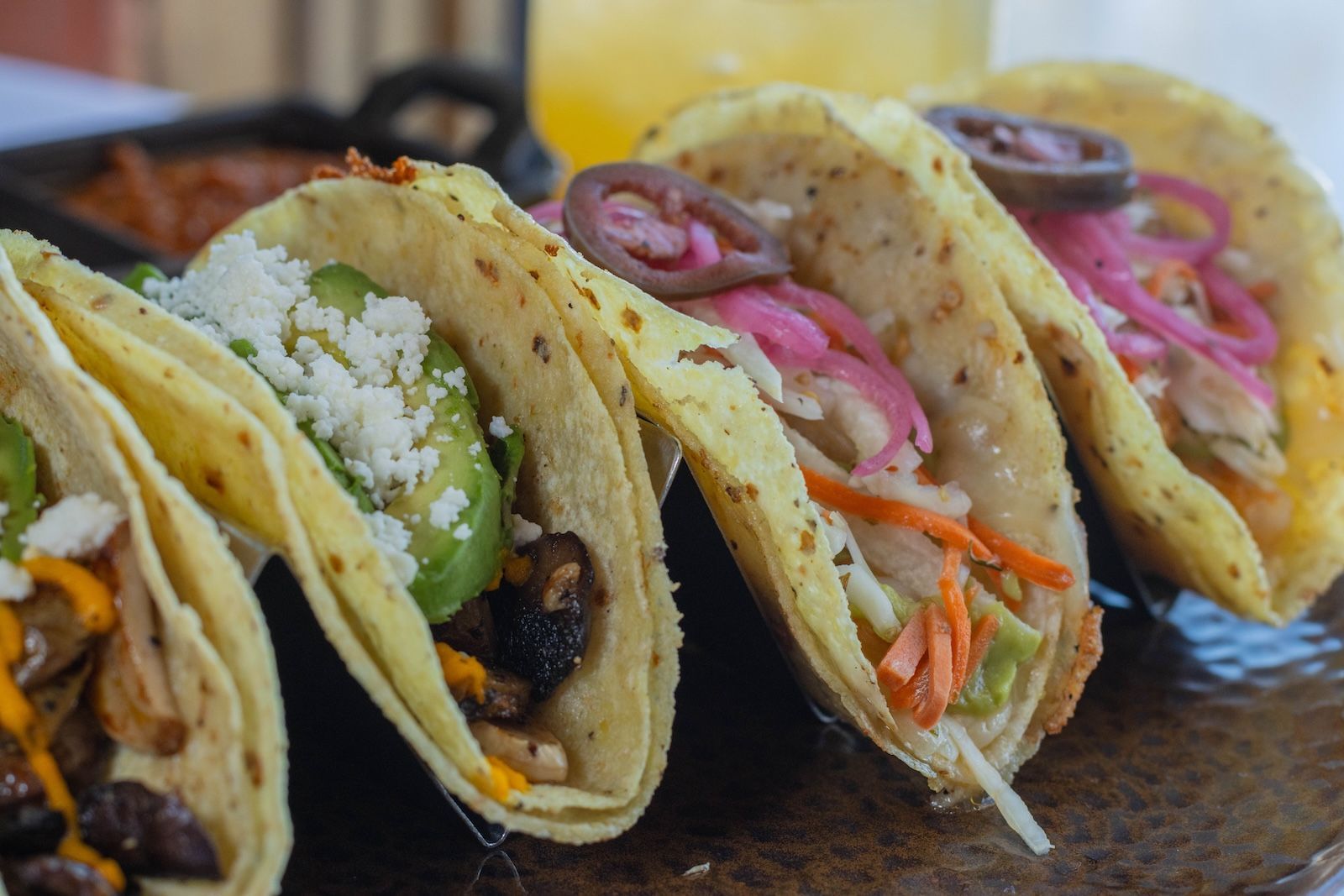
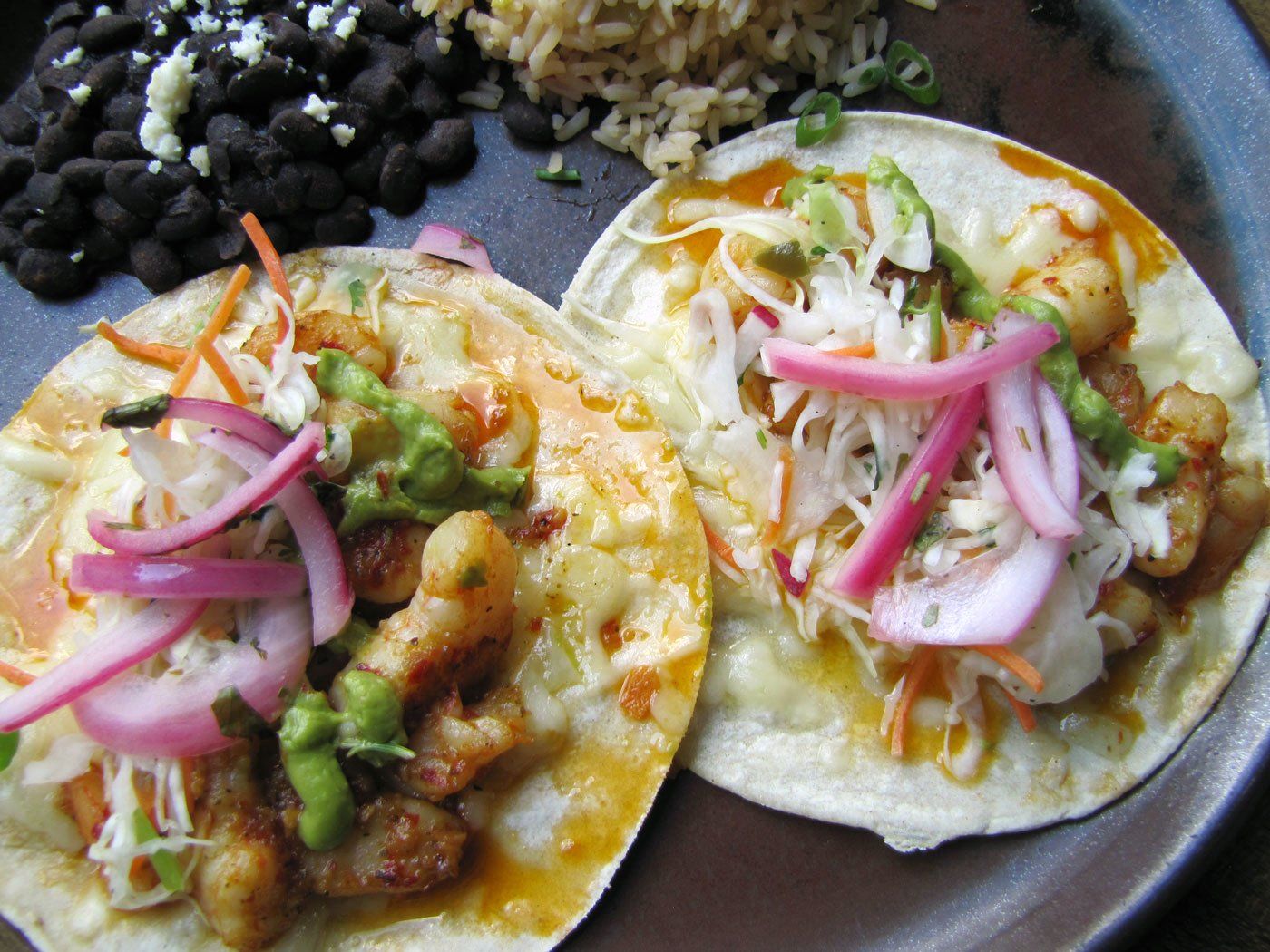
- Tacos. Rice and beans turn a few tacos into a full plate. Our list of side dishes for taco night covers the rest of the table.
- Grilled meat. Serve it beside a citrus-marinated carne asada, with warm tortillas and salsa.
- Burritos. Rice is a classic filling. Our guide to rolling a burrito that holds together shows how to layer it.
- Saucy dishes. Rice soaks up sauce from enchiladas, chile colorado and mole. The rich, chile-dark mole is a natural match.
- Stuffed chiles. A cheese-stuffed chile relleno is traditionally served with rice and beans.
- Fresh bread. Wrap leftover rice and beans in soft homemade flour tortillas for a quick lunch.
For a drink, try a glass of cinnamon rice-milk horchata, which is itself made from rice.
Frequently Asked Questions
Why is my Mexican rice mushy?
Mushy rice usually means too much liquid, stirring during the simmer or the wrong rice. Use long-grain white rice and a 2-to-1 ratio of liquid to rice, counting the tomato puree. Do not stir after the lid goes on.
Why is my Mexican rice still hard?
Hard rice means the liquid ran out before the grains softened, or steam escaped. At high altitude, this is common because water boils at a lower temperature. Add 2 to 3 tablespoons of hot broth, cover tightly and cook on low for 5 to 10 more minutes.
Do you have to toast rice for Mexican rice?
Yes, for the classic texture. Toasting coats each grain in oil, so the grains stay separate. It also adds a nutty flavor that plain boiled rice does not have.
Is Mexican rice the same as Spanish rice?
In the United States, the two names usually mean the same tomato rice. "Spanish rice" is mainly a Tex-Mex name. In Mexico the dish is called arroz rojo or arroz a la mexicana.
Can you make Mexican rice in a rice cooker?
Yes. Toast the rice and cook the tomato base in a skillet first, then move everything to the rice cooker with the broth. Use the white rice setting, and rest it for 10 minutes before fluffing.
Is Mexican rice gluten-free?
Rice, tomato, onion, garlic and plain broth contain no gluten. Some bouillon powders and broths contain wheat, so read the label if you need it to be gluten-free.
Oaxacan Rice at Mi Casa
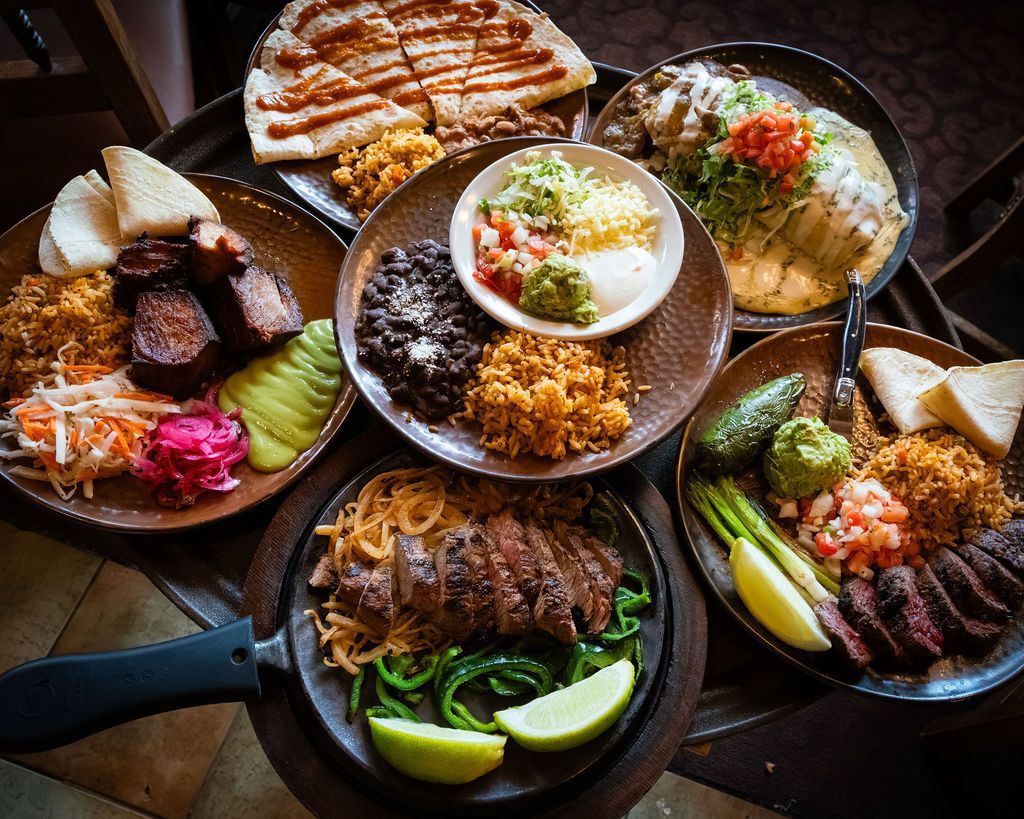
At Mi Casa Mexican Restaurant & Cantina, our tacos are served with Oaxacan rice and a choice of black or charro beans, so every order is a full meal. The same rice goes into our steak burrito and our chicken tinga bowl.
Our allergen guide lists the Oaxacan rice with none of the major allergens in its unmodified form. You can check every dish on our allergen and gluten-free guide before you order.
We have cooked from scratch in Breckenridge since 1981, steps from the Peak 9 base. See the full Mi Casa food menu for every plate that comes with it.