Guacamole Recipe: How to Make It at Home
Guacamole is an avocado-based dip, spread or salad that comes from Mexico. It is served as a dip with chips, as a condiment on tacos and as a salad ingredient.
A simple guacamole needs only ripe avocados, lime juice and salt, mashed together in a bowl or a molcajete. Onion, cilantro and fresh chile are the usual additions. The whole recipe takes about 10 minutes and no cooking.
This post covers the ingredients, how to pick ripe avocados, the step-by-step method, tips, variations and high-altitude notes. It then explains how to stop browning, how to store guacamole safely, what to serve with it and its nutrition. The guacamole we make at Mi Casa in Breckenridge keeps it just as simple: Hass avocados, red onion and lime.
What Is Guacamole?
Guacamole is a dip made mainly from mashed avocado, seasoned with salt and lime. In the United States it is often just called "guac."
The name comes from the Classical Nahuatl word ahuacamolli, which means roughly "avocado sauce." It joins ahuacatl, avocado, and molli, sauce.
The avocado itself has a long history in the region. Mesoamerican peoples had domesticated it by about 5000 BCE.
The first known recipe in the guacamole style appears in a 1697 book by the English explorer William Dampier. He described a native dish of avocados ground with sugar and lime juice.
The traditional method is still the simplest. Ripe, peeled avocados are mashed with salt in a molcajete y tejolote, a stone mortar and pestle.
National Guacamole Day falls on September 16. It shares the date with Mexican Independence Day.
Ingredients for Guacamole
Guacamole needs four core ingredients: avocado, lime, salt and onion. Cilantro and fresh chile are the most common additions. This amount makes about 2 cups, enough for 4 to 6 people as a dip.
- 3 ripe Hass avocados. The base of the dip. They should be soft but not mushy.
- 1/4 cup finely diced red onion. Adds crunch and a sharp bite. Red onion also adds color.
- 1 to 2 tablespoons fresh lime juice. About one lime. It brightens the flavor and slows browning.
- 1/2 teaspoon kosher salt. Salt brings out the avocado flavor. Add more to taste.
- 2 tablespoons chopped fresh cilantro. Leaves and tender stems both work.
- 1/2 to 1 serrano or jalapeño, minced. Optional heat. Start with half and add more.
That is the whole list for a classic bowl. Every extra ingredient is optional.
Choosing Ripe Hass Avocados
Hass is the avocado variety most people buy. It was developed by Rudolph Hass, a Southern California mail carrier and amateur grower, and patented in 1935. Hass now makes up more than 80% of the US avocado crop.
A ripe Hass avocado changes color from dark green to a dark, purplish black. Its skin yields to gentle pressure in your palm.
Avocados are picked hard and ripen after harvest. At room temperature they ripen in one to two weeks. They ripen faster next to apples or bananas, because those fruits give off ethylene gas.
A few kitchen checks help at the store:
- Press gently with your palm, not your fingertips, to avoid bruising.
- Flick off the small stem cap. Green under the cap is a good sign. Brown under it often means brown flesh inside.
- Skip fruit with sunken spots, loose skin or a sour smell.
Most avocados sold in the US come from Mexico. Mexico grew about a quarter of the world's avocados in 2024, and the state of Michoacán grew most of them.
Optional Add-Ins
The classic bowl is short on purpose, but a few add-ins work well. Use one or two at a time.
- Tomato. Seed and dice it so the dip does not turn watery. Tomato is a common but non-traditional addition.
- Garlic. One small clove, grated, adds depth.
- Ground cumin. A pinch gives a warm, earthy note.
- Roasted poblano. Diced, it adds mild, smoky flavor.
- Sour cream. A spoonful makes it creamier, though this is also non-traditional.
- Mango. Small cubes add sweetness and color.
If you love tomato in your guacamole, try a scoop of pico de gallo on top. It brings tomato, onion and chile in one go. Here is how pico de gallo differs from salsa, and why its low moisture suits guacamole.
Equipment
You need very little to make guacamole:
- A sharp chef's knife and a cutting board
- A large spoon for scooping out the avocado
- A fork or a potato masher
- A medium mixing bowl, or a molcajete for the traditional method
- A citrus press or reamer for the lime
A molcajete is worth using if you have one. The rough stone grinds onion, chile and salt into a paste before the avocado goes in.
How to Make Guacamole
- Soak the onion and chile. Put the diced red onion and minced chile in the bowl. Add 1 tablespoon of lime juice and the salt. Let it sit for 5 minutes, which softens the raw onion bite.
- Halve the avocados. Cut each avocado lengthwise around the pit. Twist the halves apart.
- Remove the pits. Scoop the pit out with a spoon. This is safer than striking it with a knife.
- Scoop the flesh. Run the spoon between the skin and the flesh. Drop the flesh into the bowl with the onion mixture.
- Mash. Use a fork or masher. Stop while some chunks remain, since texture is half the appeal.
- Fold in the cilantro. Stir gently so the dip stays chunky.
- Taste and adjust. Add more salt a pinch at a time. Add more lime if it tastes flat. Serve right away, or press plastic wrap directly onto the surface and chill.
Lime juice does two jobs here. It seasons the dip, and it slows the enzymatic browning that starts as soon as the avocado meets air.
Total time is about 10 minutes. The recipe makes about 2 cups.
Tips for the Best Guacamole
- Salt in stages. Avocado needs more salt than most people expect. Add it, stir, taste and add again.
- Add lime slowly. Too much lime hides the avocado. Start with one tablespoon and build from there.
- Mash by hand. A blender or food processor makes it gluey and smooth. A fork keeps the texture.
- Use ripe fruit only. Hard avocados will not mash, and lime cannot fix them.
- Trim chile heat with care. The heat of a jalapeño sits mostly in the pale membrane around the seeds, not in the seeds. Remove the membrane for a milder dip.
- Pick your chile on purpose. A serrano runs 10,000 to 25,000 Scoville heat units and is notably hotter than a jalapeño. A jalapeño typically runs 4,000 to 8,500.
- Serve it cool, not cold. Guacamole straight from the fridge tastes muted. Let it sit for 10 minutes before serving.
Variations
Once the base is right, guacamole takes toppings and swaps well.
Loaded Guacamole
Loaded guacamole is classic guacamole topped with crunchy, salty extras. The Mi Casa version tops the classic bowl with ancho roasted pepitas, radish and queso fresco. Because of the cheese, its allergen line lists dairy, while plain guacamole lists none.
To make it at home, toss 1/4 cup raw pepitas with 1 teaspoon of oil. Add 1/2 teaspoon of ancho chile powder and a pinch of salt. Toast them in a dry skillet over medium heat for 3 to 4 minutes, until they puff and pop. Top the guacamole with the pepitas, thin radish slices and 1/4 cup crumbled queso fresco.
Spicy, Chunky and Fruit Guacamole
- Spicy. Use a whole serrano, or roast a jalapeño first for a deeper heat. For a tangy kick, swirl in a spoonful of bright green salsa verde right before serving.
- Chunky. Dice the avocado into 1/2-inch cubes in the skin, scoop and fold rather than mash. The result looks like an avocado salad.
- Fruit. Fold in 1/2 cup diced mango or a handful of pomegranate seeds. Both pair well with extra chile.
- Smoky. Add a little minced chipotle in adobo. A chipotle is a smoked, ripe jalapeño, so it brings heat and smoke at once.
High-Altitude Notes
Raw guacamole needs no recipe change at altitude, because nothing is boiled or baked. That makes it one of the easiest dishes to make in a mountain kitchen.
Breckenridge sits at about 9,600 feet. At that height, water boils far below 212°F. Colorado State University Extension lists about 193°F at 10,000 feet. That matters only for sides you boil or simmer, such as beans or rice.
Homemade tortilla chips do need a change. The same extension guide says to lower deep-frying temperature by about 3°F for every 1,000 feet. At 9,600 feet, that means frying chips at about 320°F instead of 350°F.
Mountain air is also dry, and food loses moisture faster. The extension guide advises covering food to hold in moisture. Keep guacamole covered until it goes on the table.
How to Keep Guacamole From Turning Brown
Guacamole turns brown because of an enzyme in avocado called polyphenol oxidase. When the cut flesh meets oxygen, the enzyme forms a brown pigment.
Two steps slow it down. First, limit air: store the dip in an airtight container, or press plastic wrap directly onto the surface. Second, use acid: lime or lemon juice helps prevent the enzymatic browning.
Many other home tricks circulate online. Some of them are anecdotal and untested.
If the top does brown, the color is usually only a thin layer. Scrape it off and stir the green guacamole underneath.
Make-Ahead, Storage and Food Safety
Guacamole is best fresh, and it tastes best within a day of making it.
Like other perishable food, it should not sit out more than 2 hours. Cut that to 1 hour when the air is above 90°F. Keep cold food at 40°F or below.
Refrigerate leftovers within 2 hours. Label them with the date and use them within 3 to 4 days. In practice, the flavor and color fade well before that.
To make it ahead for a party, prep the onion, chile, lime and salt up to a day early. Cover and chill. Mash the avocados into the mixture just before guests arrive.
Guacamole can be frozen, and stores sell it frozen. At home it thaws softer and a little watery. Use thawed guacamole as a spread or a topping rather than as a chip dip.
Guacamole needs no reheating. Serve it cool.
What to Serve With Guacamole
Guacamole works as a dip, a topping and a side. Here are the best partners:
- Tortilla chips. Thick, salty corn chips are the classic scoop.
- Salsa. Set out a chunky red table salsa next to the guacamole for color and acid.
- Queso. Pair it with a pot of white queso dip for a full chips-and-dips spread.
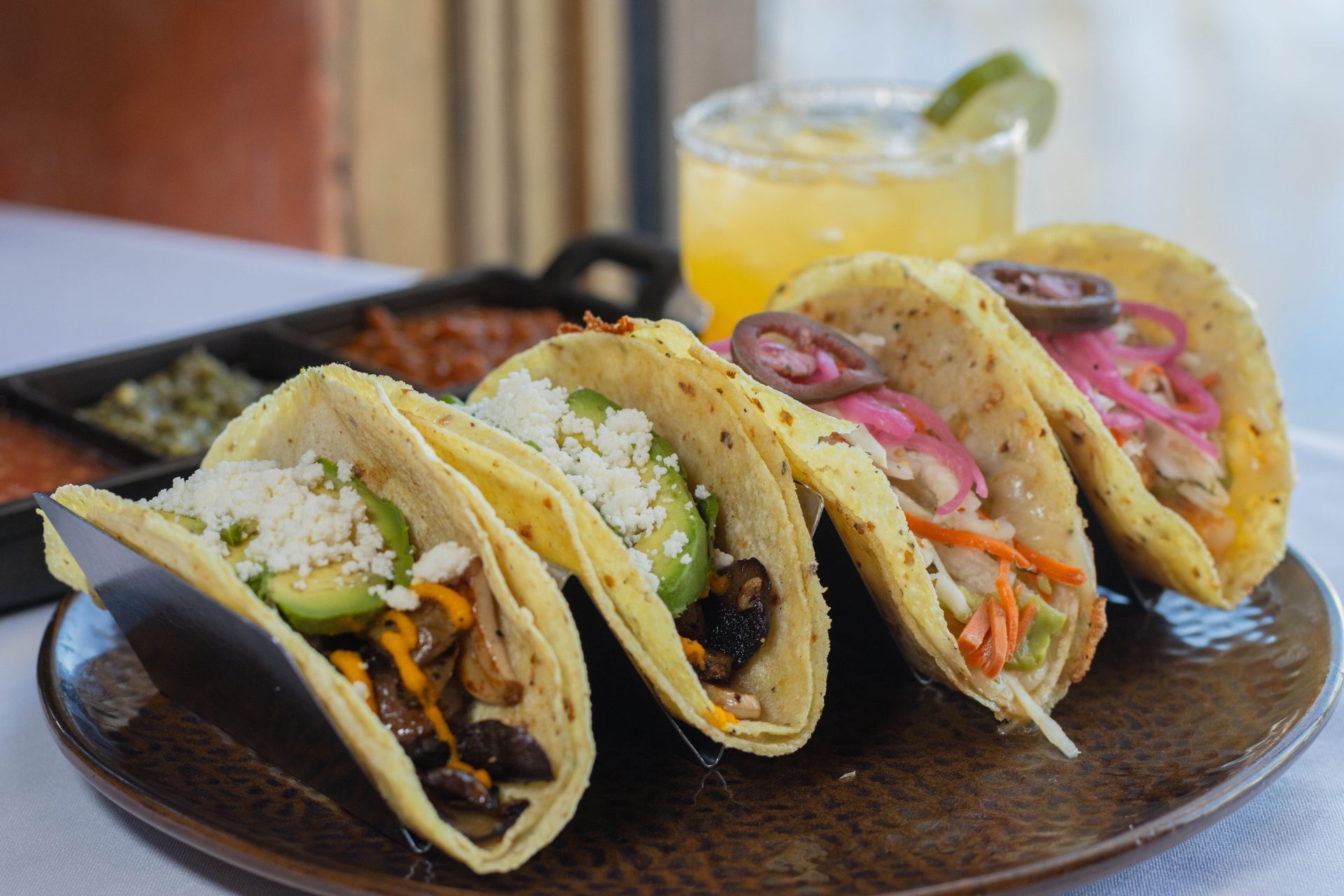
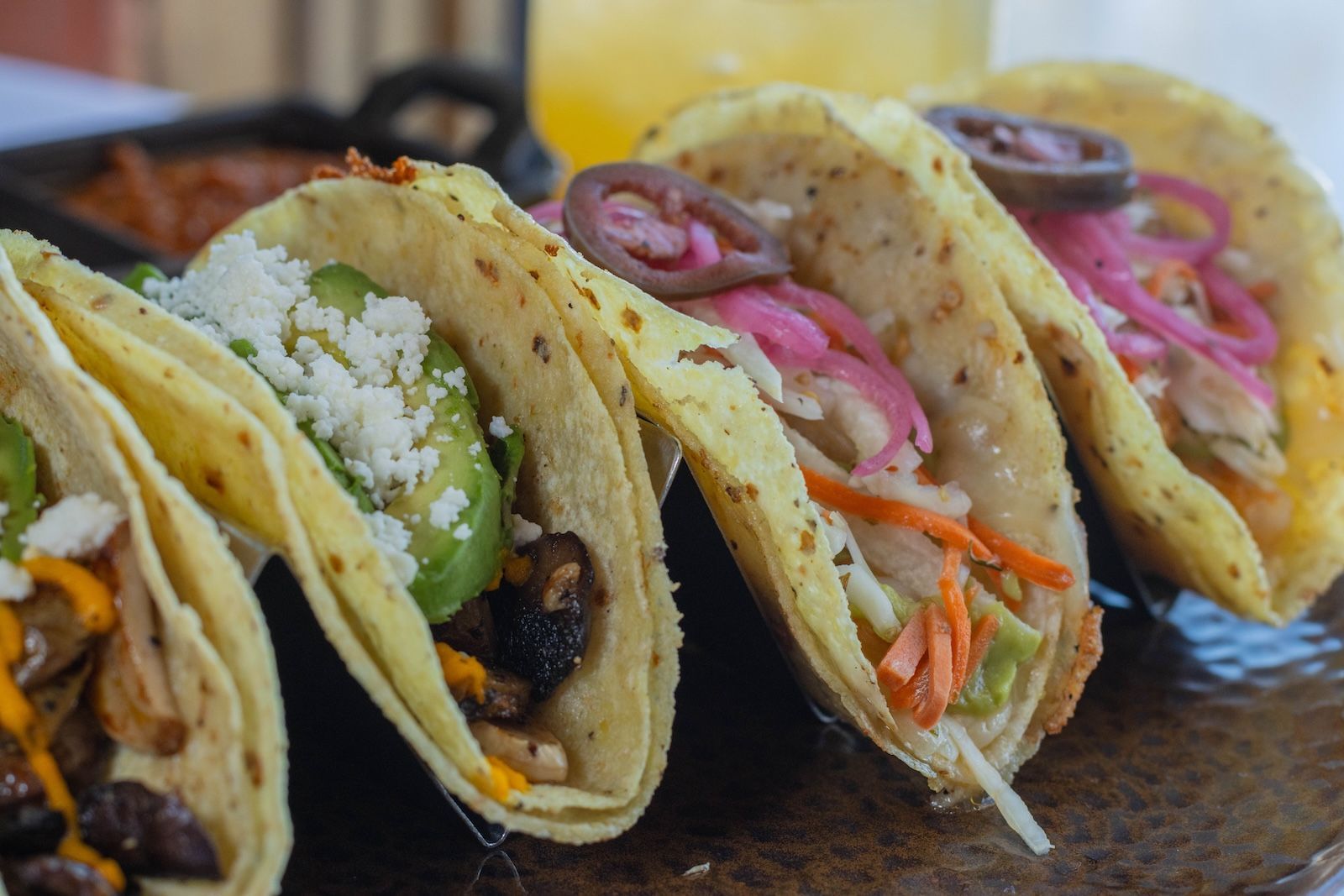
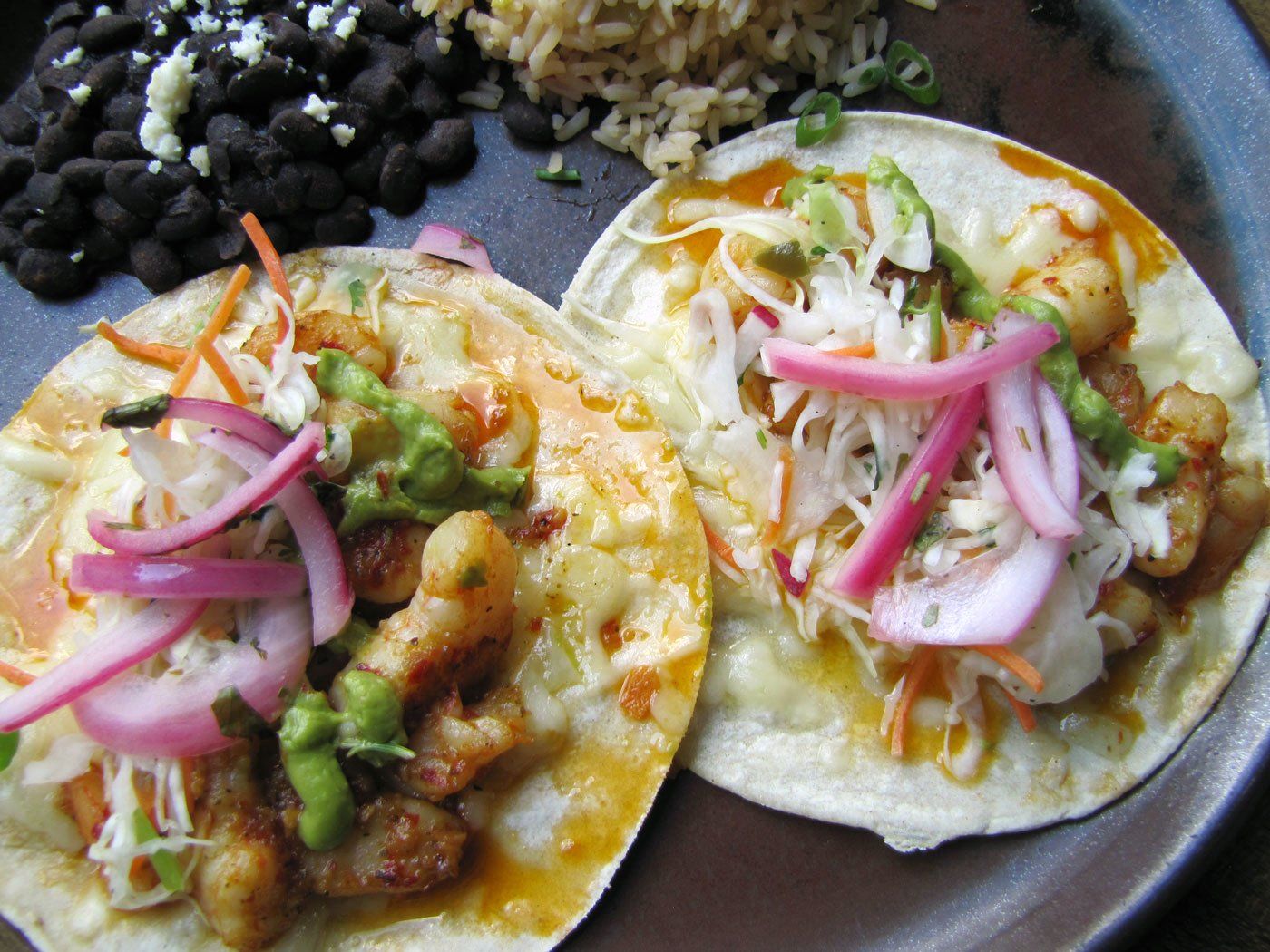
- Fish tacos. A spoonful of guacamole cools down crisp fish tacos.
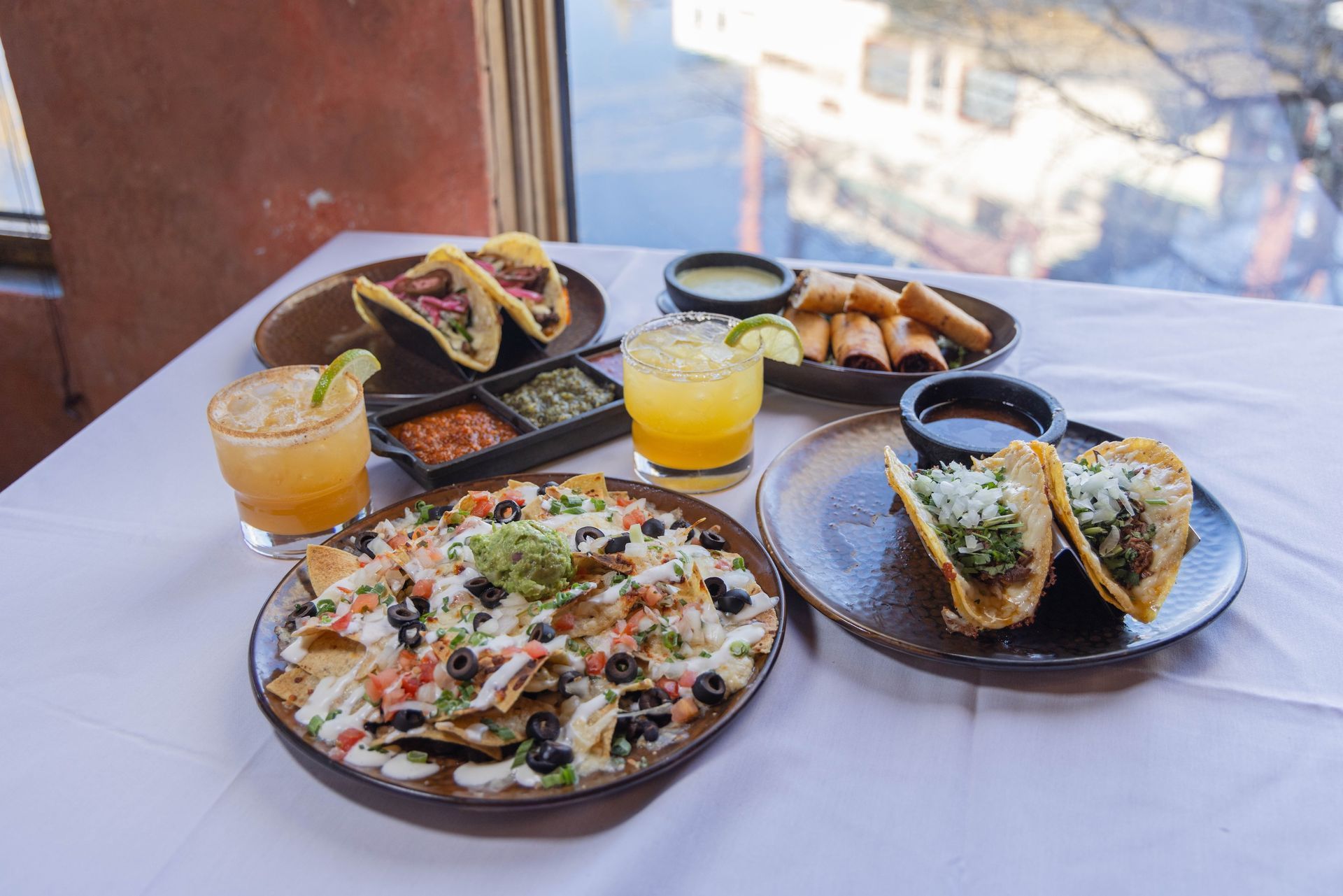
- Nachos. Add it after baking to a baked platter of bean and beef nachos, so it stays cool and green.
- A margarita. The lime in the glass matches the lime in the dip. Try a classic lime margarita.
It also works on burritos, eggs, grilled chicken and toast.
Guacamole Nutrition
Guacamole's nutrition comes almost entirely from the avocado. Raw avocado contains, per 100 grams:
- Energy: 160 kcal
- Total fat: 14.66 g
- Monounsaturated fat: 9.80 g (about 67% of the fat)
- Dietary fiber: 6.7 g
- Potassium: 485 mg
The recipe adds salt, lime and vegetables, which change these numbers very little. Chips add the most extra calories and sodium, so portion size matters more than the dip itself.
Frequently Asked Questions
What are the main ingredients in guacamole?
The main ingredients are ripe avocado, salt and lime juice. Most recipes also add onion, cilantro and jalapeño or serrano chile.
Should guacamole have tomatoes?
Tomatoes are optional and count as a non-traditional addition. If you add them, seed them first so the dip does not turn watery.
How long does homemade guacamole last?
Homemade guacamole tastes best the same day. Covered in the fridge, leftovers are safe for 3 to 4 days, though the color and flavor fade sooner. Never leave it out more than 2 hours.
Can you make guacamole the night before?
Yes, if you limit air. Add lime, then press plastic wrap right onto the surface before chilling. For the best color, prep the onion mixture the night before and mash the avocados just before serving.
Is guacamole gluten free?
A basic guacamole contains no wheat. At Mi Casa, the guacamole lists no major allergens. The house fried chips list wheat because of fryer cross-contamination.
Where does the word guacamole come from?
The word comes from the Classical Nahuatl ahuacamolli, meaning "avocado sauce." It joins ahuacatl, avocado, and molli, sauce.
Guacamole at Mi Casa in Breckenridge
Mi Casa Mexican Restaurant & Cantina has served Breckenridge since 1981. Our guacamole is made the classic way, with Hass avocados, red onion and lime.
For more crunch, order the Loaded Guacamole with ancho roasted pepitas, radish and queso fresco. Chips & Dips puts our guac and queso side by side with corn and flour tortilla chips.
From 2 to 5 pm daily, happy hour Chips and Dips in the cantina brings a half order of each. For a group, order a catering tray of guacamole. It comes with housemade chips and our salsa fresca, and each order serves 12. Find us at 600 South Park Ave, steps from the base of Peak 9.