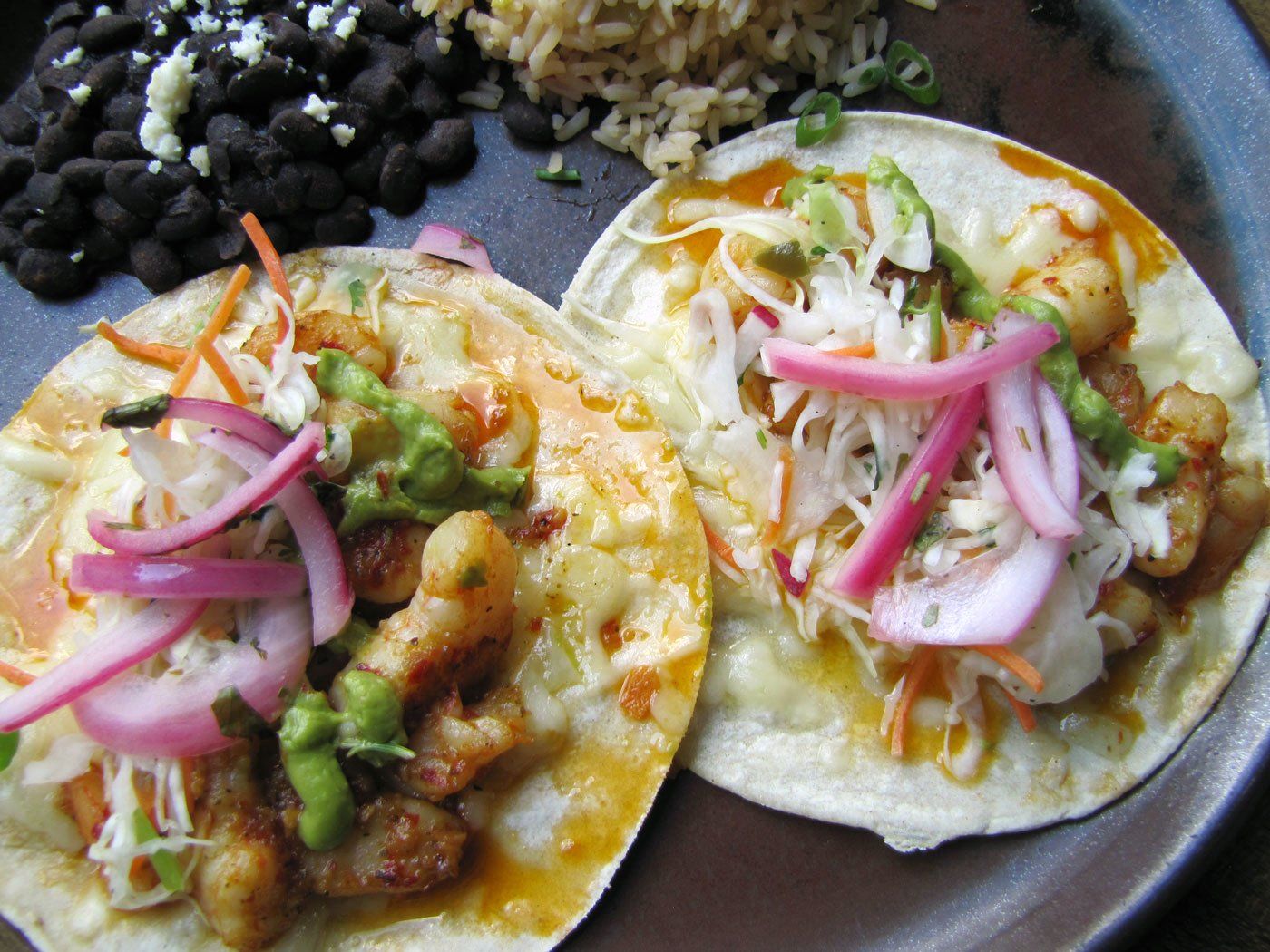

Homemade Flour Tortillas Recipe: How to Make Them
A flour tortilla is a thin, round flatbread made from wheat flour, fat, water and salt, cooked on a hot griddle. It is soft and flexible, so it folds and rolls without cracking.
To make them, rub fat into flour and salt, add warm water and knead a soft dough. Rest it for 30 minutes, roll thin rounds, and cook each one on a dry, hot skillet for about 30 to 45 seconds a side. Stack them under a towel so they steam and stay soft.
This recipe covers ingredients, fats, equipment, the step-by-step method and how to cook tortillas well. It also covers fixes, high-altitude changes, storage and what to make with them, from quesadillas to the scratch-made fajitas we serve in Breckenridge. Homemade tortillas are the easiest way to make a weeknight taco or burrito taste like a restaurant plate.
What Are Flour Tortillas?
Flour tortillas are made from finely ground wheat flour. The simplest recipes use only flour, water, fat and salt. Commercial tortillas usually add a chemical leavener such as baking powder.
The word tortilla comes from the Spanish torta, meaning roughly "cake," plus the diminutive -illa. It translates as "little cake."
The flour tortilla came after the corn tortilla. It was invented once the Spanish introduced wheat to Mexico in the 16th century. Wheat reached the lands around Mexico City in 1523, Michoacán in the 1530s and Oaxaca in the 1540s.
Popular history places the flour tortilla's birth in northern Mexico. Wikipedia's account calls that a folk history and says the tortilla probably began in the wheat-growing regions of central and southern Mexico. It later became common among settlers of northern Mexico and stayed popular in Texas and California. A flour tortilla recipe appears in the Mexican Diccionario de Cocina of 1845.
Burritos, quesadillas, chimichangas and fajitas are mainly made with flour tortillas. Sizes range from about 6 inches to more than 12 inches across, depending on the region. For a side-by-side look at the two kinds, see our guide to corn and flour tortilla nutrition.
Flour Tortilla Ingredients
This recipe makes 12 tortillas, about 8 inches across.
- All-purpose flour: 3 cups (360 g), plus more for rolling (notes: Spoon and level; do not pack)
- Kosher salt: 1 1/4 teaspoons (notes: Or 1 teaspoon fine salt)
- Baking powder: 1 teaspoon (optional) (notes: Gives a slightly thicker, puffier tortilla)
- Lard or vegetable shortening: 1/3 cup (about 70 g) (notes: Room temperature)
- Warm water: 1 cup (240 ml), about 110°F to 120°F (notes: Warm to the touch, not hot)
The dough weighs about 680 g. Each ball is about 55 g, roughly the size of a golf ball.
Choosing the Fat
Fat makes a tortilla tender. It coats the flour so the dough does not turn tough and bready. Lard is the traditional choice, and refined coconut oil is a vegan option.
- Lard: Rich, savory (texture: Tender, flaky layers; notes: Traditional; buy fresh rendered lard if you can)
- Vegetable shortening: Neutral (texture: Soft, very pliable; notes: Easiest to find; most common in US recipes)
- Butter: Rich, slightly sweet (texture: Soft, a little less flexible; notes: Use 6 tablespoons in place of 1/3 cup lard)
- Refined coconut oil: Neutral (texture: Tender; notes: Vegan; use it solid, like shortening)
- Vegetable oil: Neutral (texture: Soft, a little chewy; notes: Use 1/4 cup; mix it straight into the water)
Equipment
- A large mixing bowl
- A rolling pin, ideally a thin wooden dowel-style pin
- A cast-iron skillet, griddle or comal
- A flat spatula or tongs
- A clean kitchen towel or tortilla warmer
- A kitchen scale (helpful, not required)
A comal is a smooth, flat griddle used in Mexico, Central America and parts of South America to cook tortillas and arepas. Home comals are usually heavy cast iron. The word comes from the Nahuatl comalli. A heavy cast-iron skillet does the same job.
How to Make Flour Tortillas
Active time is about 40 minutes. Total time is about 1 hour 15 minutes, including the rest.
- Mix the dry ingredients. Whisk the flour, salt and baking powder in a large bowl.
- Cut in the fat. Add the lard or shortening. Rub it into the flour with your fingertips for 2 to 3 minutes, until the mixture looks like coarse, damp sand with no large lumps.
- Add the water. Pour in about three-quarters of the warm water. Stir with a fork, then add the rest a little at a time until a shaggy dough forms.
- Knead. Turn the dough onto the counter and knead for 3 to 5 minutes, until smooth and soft. It should feel like an earlobe and should not stick to your hands. Add flour or water a teaspoon at a time if needed.
- Divide. Cut the dough into 12 equal pieces, about 55 g each. Roll each into a smooth ball by tucking the edges underneath.
- Rest. Set the balls on a plate, cover them with plastic or a damp towel, and rest for 30 minutes to 1 hour. Resting relaxes the gluten, so the dough rolls thin without shrinking back.
- Heat the pan. Heat a dry cast-iron skillet or comal over medium-high heat for 5 minutes. A few drops of water flicked on it should sizzle and vanish in a second or two.
- Roll. Flatten a ball with your palm. Roll from the center outward, turning the dough a quarter turn after each pass, into an 8-inch round about 1/16 inch thick. Dust lightly with flour only if it sticks.
- Cook. Lay the tortilla on the hot pan. Cook 30 to 45 seconds, until bubbles form and the bottom shows light brown spots. Flip and cook 20 to 30 seconds more.
- Stack and steam. Move each tortilla into a towel-lined basket and cover it. The trapped steam keeps the stack soft. Roll the next tortilla while one cooks.
How to Cook Tortillas
Fresh or store-bought, a tortilla cooks best on dry, high heat. Oil in the pan fries the surface and makes it stiff.
- Comal or cast-iron skillet: This is the standard method. Medium-high heat, no oil, 30 to 45 seconds on the first side and 20 to 30 on the second.
- Gas flame: For store-bought tortillas, hold one with tongs over a medium flame for 10 to 15 seconds a side, until lightly charred at the edges.
- Oven: Wrap a stack of up to 10 in foil. Warm at 350°F for 10 to 15 minutes.
- Microwave: Wrap a stack in a damp paper towel. Heat in 20-second bursts until warm and soft.
A tortilla that puffs into a balloon on the second side is cooked evenly. Press the puff gently with a spatula to help the rest of the tortilla rise.
Tips for Soft, Puffy Tortillas
- Use warm water. Warm water softens the fat and makes a supple dough.
- Do not skip the rest. Unrested dough springs back and rolls thick.
- Roll thin and even. Thick centers stay doughy. Thin edges burn.
- Cook hot and fast. A pan that is too cool dries the tortilla before it browns, which makes it stiff.
- Cover right away. Tortillas left uncovered on a plate lose steam and harden as they cool.
- Weigh the dough. Equal balls make tortillas of the same size and cook time.
Troubleshooting
- Tortillas are stiff or crack: Pan too cool, cooked too long, or left uncovered (fix: Hotter pan, shorter cook, stack under a towel)
- Dough shrinks back when rolled: Not rested long enough (fix: Cover and rest 15 more minutes)
- Tortillas are thick and bready: Rolled too thick or too much baking powder (fix: Roll to 1/16 inch; cut baking powder to 1/2 teaspoon)
- Raw spots in the center: Uneven rolling (fix: Roll from the center out and turn the dough often)
- Dark spots but pale overall: Pan too hot (fix: Lower to medium and wait 1 minute)
- Dough is sticky: Too much water (fix: Knead in flour 1 teaspoon at a time)
Making Flour Tortillas at High Altitude
Flour tortillas need only small changes at high altitude. Breckenridge sits at about 9,600 feet, where the air is dry.
Colorado State University Extension notes that flour may be drier at high elevations. Its advice for yeast breads is to use less flour or add liquid. For tortilla dough in a mountain kitchen:
- Hold back some flour. Start with 2 3/4 cups and add the rest only if the dough is sticky.
- Add water by the tablespoon. Dry mountain flour often needs 1 to 2 tablespoons more water.
- Cover the dough well. Dry air skins the dough balls fast. Keep them under plastic while they rest and while you roll.
- Keep the stack covered. Cooked tortillas dry out quickly in dry air, so wrap them as soon as they leave the pan.
The pan does not change. Skillet and oven temperatures are not tied to the boiling point of water. CSU Extension also notes that oven temperatures are not affected by elevation.
If you fry leftover tortillas into chips, frying does change. CSU Extension advises lowering oil temperature by about 3°F for every 1,000 feet of elevation. At 9,600 feet, that is about 29°F lower than a sea-level recipe. Our crispy baked or fried nachos start from tortilla chips like these.
Variations
Whole Wheat Flour Tortillas
Replace half the all-purpose flour with whole wheat flour. Add 1 to 2 tablespoons more water, and rest the dough the full hour so the bran softens.
Butter Flour Tortillas
Use 6 tablespoons of softened butter in place of the lard. Butter tortillas taste rich and work well for breakfast tacos with eggs.
Vegan Flour Tortillas
Use solid refined coconut oil or shortening, measured the same as lard. Both give a tender, neutral tortilla.
Larger Burrito Tortillas
Divide the dough into 8 pieces instead of 12 and roll each to 10 or 11 inches. Cook about 15 seconds longer per side, and use a pan wide enough to hold the round flat.
Storage, Freezing and Reheating
- Room temperature: Cool completely, then seal in a zip-top bag. Use within 2 days.
- Refrigerator: Keep sealed for up to 1 week.
- Freezer: Stack with parchment between them and freeze in a sealed bag for up to 3 months. Thaw in the bag on the counter.
- Reheating: Warm on a dry hot skillet for 10 to 15 seconds a side, or wrap in foil and warm at 350°F.
- Make-ahead dough: Wrap the dough balls and refrigerate up to 2 days. Let them sit 30 minutes at room temperature before rolling.
What to Make with Flour Tortillas
- Quesadillas. Flour tortillas melt cheese and crisp in a pan. Our step-by-step chicken quesadilla uses this exact size.
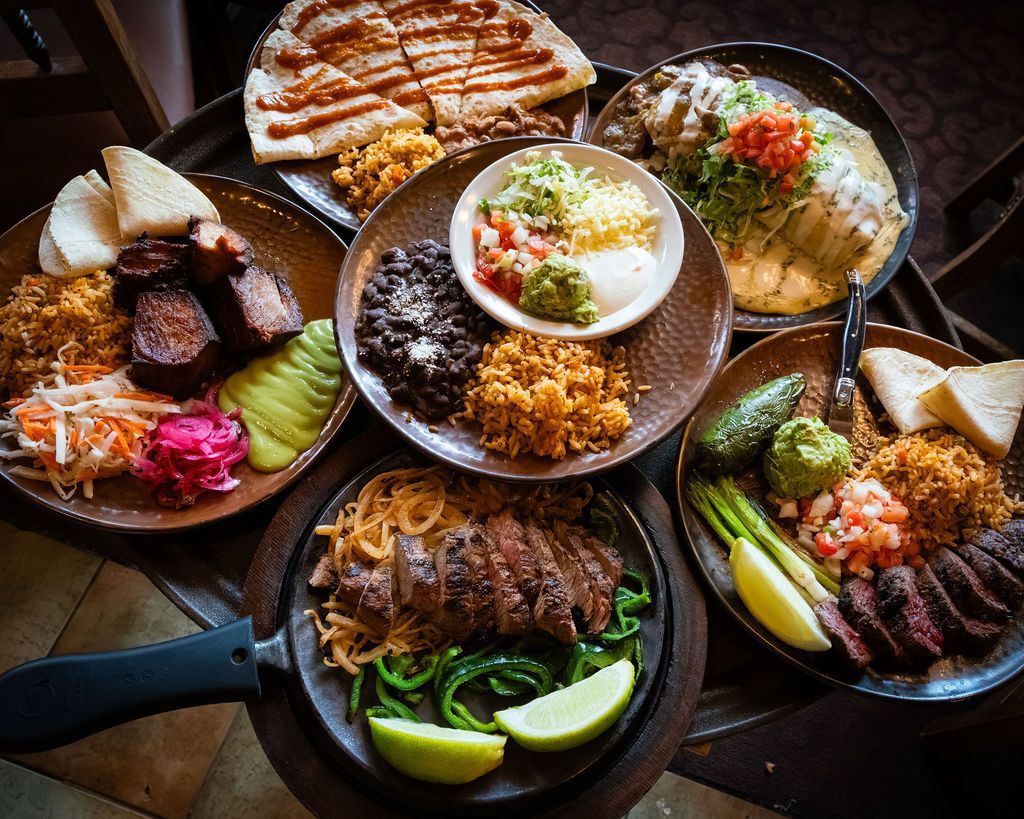
- Fajitas. Wrap sizzling peppers and steak in warm tortillas from the stack. See our sizzling skillet fajitas method.
- Burritos. Larger tortillas hold rice, beans and meat. For a filling side, add a scoop of toasted tomato-red Mexican rice.
- Tacos. Soft flour tacos work well with grilled fillings and with braised chipotle chicken tinga.
- Breakfast. Fill them with scrambled eggs, beans and salsa.
- Dessert. Brush with butter, cook until crisp and dust with cinnamon sugar.
Tacos were made with corn long before wheat arrived. Our look at the origins of the taco tells that part of the story.
Frequently Asked Questions
Why are my homemade tortillas hard?
Hard tortillas usually come from a pan that is too cool or a cook time that is too long. They dry out before they brown. Cook on medium-high heat for under a minute total, then cover them in a towel right away.
Do you need baking powder in flour tortillas?
No. Flour, water, fat and salt make a soft tortilla. Baking powder is common in commercial and US-style tortillas and gives a slightly thicker, puffier result.
Can you make flour tortillas without lard?
Yes. Vegetable shortening, butter, refined coconut oil and vegetable oil all work. Shortening and coconut oil come closest to lard's texture.
How long should tortilla dough rest?
Rest the dough at least 30 minutes, and up to 1 hour. Resting relaxes the gluten, so the dough rolls thin without shrinking back. The dough balls can also rest in the refrigerator for up to 2 days.
Are flour tortillas gluten-free?
No. Flour tortillas are made from wheat, and the Celiac Disease Foundation lists flour tortillas among common foods that contain gluten. Corn tortillas made only from corn are the usual swap.
Tortillas at Mi Casa
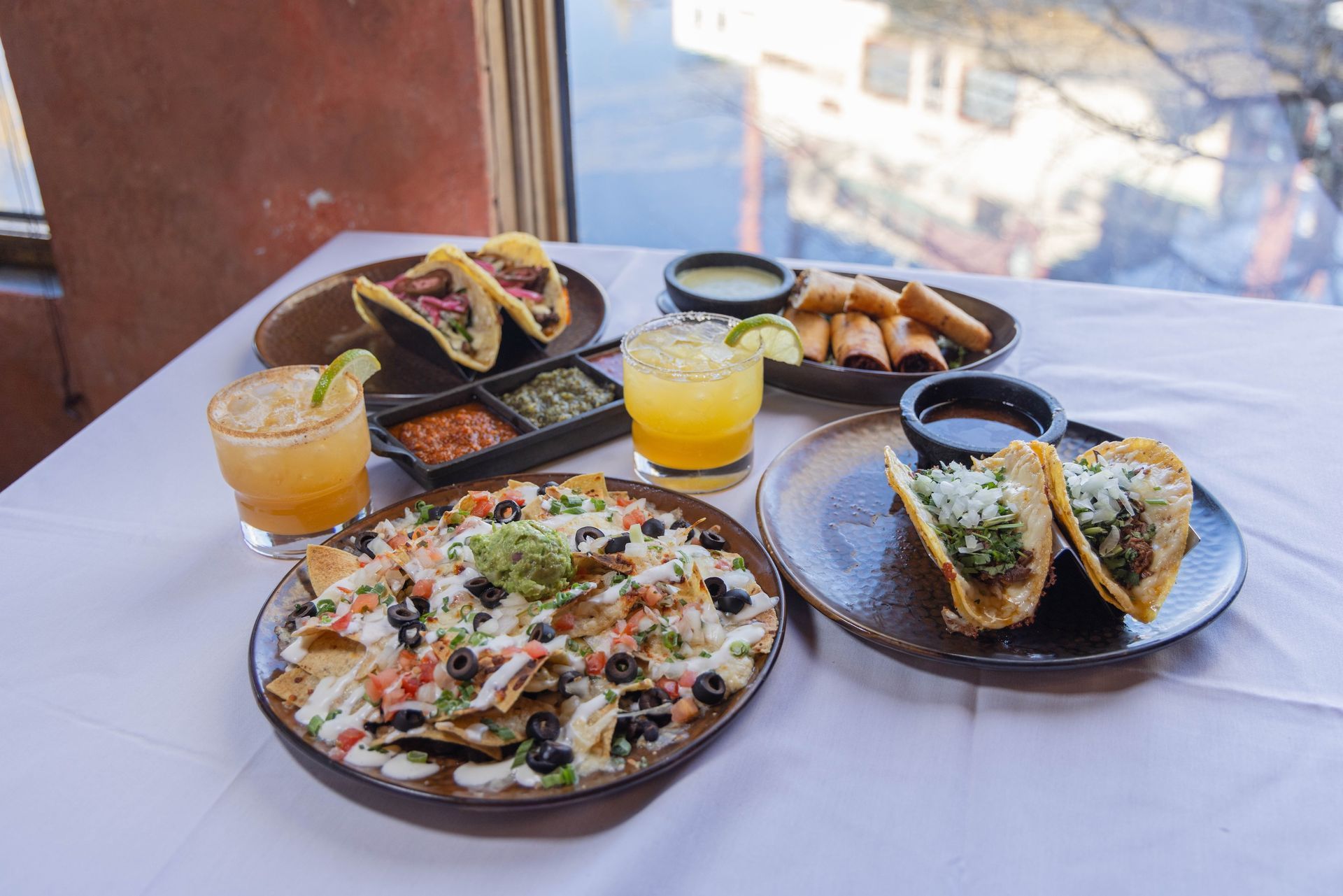
At Mi Casa Mexican Restaurant & Cantina, our allergen guide marks wheat for the tortillas on every fajita plate, since the fajitas are served with flour tortillas. Our chips and dips plate brings both corn and flour tortilla chips with our guacamole and queso.
Younger guests get flour tortillas too. The Mi Casa kids menu has a burrito in a flour tortilla and a grilled cheese quesadilla.
We have cooked from scratch in Breckenridge since 1981, steps from the Peak 9 base.