
Elote Recipe (Mexican Street Corn)
Elote is Mexican street corn: a whole ear of corn, grilled or boiled, then coated in a creamy sauce, cheese, chile and lime. In Mexico, a fresh ear of corn is itself called an elote, on or off the plant.
To make elote at home, grill husked corn until charred in spots, brush it with a mix of mayonnaise and crema, roll it in crumbled cotija, then finish with chile powder, cilantro and a squeeze of lime. It takes about 25 minutes from start to finish.
This recipe covers elote corn on the cob, elote in a cup (esquites), every cooking method, high-altitude notes for mountain kitchens and what to serve with it. Elote is one of the great snacks among classic Mexican dishes, and it is simple enough to make on a weeknight.
What Is Elote?
Elote is a cooked ear of corn dressed with toppings and eaten off the cob, usually on a stick or held by the ends. In Mexico, elotes are sold from street carts and kept warm in the cooking brazier.
Mexican and Central American versions may include mayonnaise, grated cotija cheese, chile powder, lemon or lime juice, sour cream and liquid cheese. Grilled elotes, called elotes asados, are sometimes splashed with salt water as they cook.
Corn itself is ancient in the Americas. Native peoples ate it long before Europeans arrived, and the Maya ate it as a staple, roasted or boiled.
Elote vs Esquites (Elote in a Cup)
Esquites are the off-the-cob version of elote, served in a cup with a spoon. They are also known as elote en vaso, which means "corn in a cup."
The word esquites comes from the Nahuatl word ízquitl, meaning "toasted corn." Esquites are usually made from white corn kernels boiled soft in salted water, often with the herb epazote. Some cooks then sauté the corn in butter and onions.
The toppings match elote closely: lime juice, chile powder or hot sauce, salt, cotija and mayonnaise. Use elote when you want to eat corn by hand. Use esquites for a party, a crowd or anyone who hates corn stuck in their teeth.
- Form: Whole ear, on the cob (esquites: Loose kernels)
- Served: On a stick or by hand (esquites: In a cup with a spoon)
- Usual cooking: Grilled or boiled (esquites: Boiled, sometimes sautéed)
- Typical toppings: Mayo, crema, cotija, chile, lime (esquites: Same, mixed into the kernels)
- Best for: Cookouts, eating by hand (esquites: Parties, kids, make-ahead)
Elote Ingredients
This recipe makes 6 ears, enough for 6 people as a side.
- 6 ears fresh sweet corn, husked
- 1 tablespoon neutral oil (for the grill)
- 1/3 cup mayonnaise
- 1/3 cup Mexican crema (or sour cream thinned with 1 teaspoon lime juice)
- 1 small garlic clove, grated (optional)
- 3/4 cup finely crumbled cotija cheese (about 3 ounces)
- 1 to 2 teaspoons ancho or guajillo chile powder, to taste
- 1/2 teaspoon smoked paprika or chipotle powder (optional, for smoke)
- 1/4 cup chopped fresh cilantro
- 2 limes, cut into wedges
- Flaky salt, to taste
Pick ears with bright green husks and moist silk. The kernels should be plump and tight in their rows. If you press one with a fingernail, it should burst with juice.
Equipment
- Grill (gas or charcoal), grill pan or broiler
- Tongs
- Small bowl and whisk or fork
- Pastry brush or the back of a spoon
- Shallow plate or tray for the cheese
- Wooden skewers or corn holders (optional)
- Large pot, if boiling
How to Make Elote on the Grill
Grilling gives the best flavor. The sugars in the kernels caramelize, and the char balances the rich sauce.
- Heat the grill. Preheat to medium-high, about 400 to 450°F. Clean and oil the grates.
- Prep the corn. Pull off the husks and silk. Rub each ear lightly with oil. Leave the stalk end on as a handle, or push a skewer into the base.
- Make the sauce. Whisk the mayonnaise, crema and grated garlic in a small bowl. Spread the cotija on a shallow plate.
- Grill the corn. Lay the ears on the grates. Turn every 2 to 3 minutes with tongs. Grill 10 to 12 minutes total, until tender and charred in patches.
- Rest briefly. Move the corn to a tray for 1 minute. Hot corn melts the sauce into a thin glaze, and a short rest helps it cling.
- Coat with sauce. Brush each ear all over with the mayo and crema mixture.
- Roll in cheese. Roll each ear in the cotija, pressing gently so the crumbs stick.
- Season. Dust with chile powder and smoked paprika. Scatter cilantro and flaky salt over the top.
- Serve. Serve hot with lime wedges for squeezing at the table.
Other Ways to Cook Elote Corn on the Cob
No grill? Elote still works. Each method below gives tender corn; only the char changes.
Boiled Elote
Boiling is the classic street-cart method. Bring a large pot of salted water to a boil. Add the husked corn and cook 5 to 7 minutes, until the kernels are tender.
Drain well and pat the ears dry, or the sauce will slide off. For a little color, char the boiled ears over a gas flame or under the broiler for 2 minutes.
Oven-Roasted or Broiled Elote
Heat the oven to 425°F. Rub the husked ears with oil and roast on a sheet pan for 20 to 25 minutes, turning halfway.
For more char, switch to the broiler for the last 3 to 5 minutes. Watch closely, since broilers vary.
Skillet Elote
Use a cast-iron skillet or grill pan over medium-high heat. Cut long ears in half so they fit.
Cook with a thin film of oil, turning every 2 minutes, for 10 to 12 minutes. The flat pan chars the kernels that touch it, so turn often for even color.
How to Make Elote in a Cup (Esquites)
Elote in a cup uses the same flavors with loose kernels. You need about 4 cups of kernels for 6 servings, cut from 6 ears.
- Cut the kernels. Stand each husked ear in a wide bowl. Run a sharp knife down the cob to free the kernels.
- Cook the corn. Melt 2 tablespoons butter in a large skillet over medium-high heat. Add 1/2 cup diced white onion and cook 2 minutes.
- Char the kernels. Add the corn and a pinch of salt. Spread it out and leave it for 2 minutes to brown, then stir. Cook 6 to 8 minutes total.
- Add the herb. If you have epazote, stir in 1 tablespoon chopped leaves for the last minute. Otherwise use cilantro at the end.
- Dress the corn. Off the heat, stir in 1/4 cup mayonnaise, 1/4 cup crema and the juice of 1 lime.
- Cup and top. Spoon into cups. Top each with cotija, chile powder, cilantro and a lime wedge.
For the traditional boiled version, simmer the kernels in salted water with epazote for 10 minutes. Drain, then dress them the same way.
Tips for the Best Mexican Street Corn
- Buy corn the day you cook it. Sweet corn loses sweetness as it sits.
- Do not overcook. Corn is done when the kernels are tender and juicy. Longer cooking turns them starchy and dull.
- Dry the corn before saucing. Water on boiled corn stops the sauce and cheese from sticking.
- Use crumbly cheese. Cotija is salty, dry and crumbles fine. A melting cheese turns gummy here.
- Grate the cheese fine. Small crumbs coat the ear evenly. Pulse cotija in a food processor if it is in a block.
- Balance the sauce. Mayonnaise brings body; crema brings tang. Half and half gives the best of both.
- Lime goes on last. Squeeze it just before eating so it stays bright.
- Choose your chile. Ancho is mild and fruity. Guajillo is brighter. Chipotle adds smoke and more heat.
Variations
- Spicy elote. Add 1 minced chipotle in adobo to the sauce, or finish with your favorite hot sauce.
- Lighter elote. Swap the mayonnaise for Greek yogurt and use less cheese.
- Dairy-free elote. Use a vegan mayonnaise, skip the crema and finish with lime, chile and salt.
- Feta elote. If you cannot find cotija, crumbled feta is the closest swap.
- Cheesy esquites. Stir warm white queso dip into the cup instead of crema, since liquid cheese is one of the toppings used in Mexico and Central America.
- Elote salad. Toss charred kernels with diced red onion, jalapeño and avocado for a cold side.
- Hot chip esquites. A popular modern topping is crushed spicy chips, such as Flamin' Hot Cheetos or Takis, scattered over the cup.
High-Altitude Notes for Mountain Kitchens
Breckenridge sits at about 9,600 feet. At that height, water boils at a lower temperature: about 193°F at 10,000 feet versus 212°F at sea level.
That lower boil means food cooked in water takes longer. Plan on a few extra minutes for boiled corn and for the boiled esquites. Taste a kernel instead of trusting the clock.
Oven temperatures are not affected by elevation, so the roasting times above hold. Liquids also evaporate faster in the dry mountain air. Make the sauce just before serving, and keep it covered so it does not thicken.
Grilling is the easiest method up high. Direct heat does not depend on a boiling point, so grilled elote cooks about the same at any elevation.
Make-Ahead, Storage and Reheating
Make ahead. Grill or boil the corn up to 1 day ahead. Cool it, wrap it, and refrigerate. Mix the sauce and crumble the cheese ahead too, and keep them in separate containers.
Storage. Refrigerate leftovers within 2 hours of serving. Use them within 3 to 4 days. Dressed elote with mayonnaise and crema should not sit out at room temperature.
Reheating. Reheat plain corn on the grill, in a skillet or in the microwave until hot. Leftovers should reach 165°F. Add the sauce, cheese and lime after reheating, not before.
Freezing. Freeze plain cooked kernels, not dressed ears. Frozen leftovers are best used within 3 to 4 months. The sauce does not freeze well.
What to Serve with Elote
Elote is a side dish, so pair it with something hearty from the grill.
- Grilled steak. A plate of citrus-marinated carne asada made at home is the natural partner at a cookout.
- Tacos. For a full spread, see side dishes that go with tacos.
- Nachos. Serve elote next to a sheet pan of crispy oven-baked nachos for a game-day table.
- Quesadillas. A warm chicken quesadilla straight from the skillet and an ear of corn make an easy dinner.
- A cold drink. Lime, salt and chile pair well with a classic lime margarita or an agua fresca.
Frequently Asked Questions
Is elote served hot or cold?
Elote on the cob is served hot, straight from the grill or pot. Esquites are usually served warm in a cup. Leftover kernels also make a good cold corn salad.
What cheese goes on elote?
Cotija is the traditional cheese. It is dry, salty and crumbly, so it sticks to the sauce. Feta is the best substitute if you cannot find cotija.
How long do you boil corn for elote?
Boil husked corn for 5 to 7 minutes at sea level, until the kernels are tender. At high elevation, water boils cooler, so allow a few extra minutes and taste to check.
Can I use frozen or canned corn?
Yes, for esquites. Thaw frozen kernels or drain canned corn well, then pat it dry and char it in a hot skillet. For elote on the cob, fresh ears give the best texture.
Is elote spicy?
Elote is mildly spicy at most. The heat comes from the chile powder, which you control. Use ancho for mild flavor or chipotle and hot sauce for more heat.
Can I make elote without mayonnaise?
Yes. Use all crema, sour cream or Greek yogurt instead. The mayonnaise adds richness and helps the cheese stick, so press the cotija on a little harder.
Street Corn Flavors at Mi Casa in Breckenridge
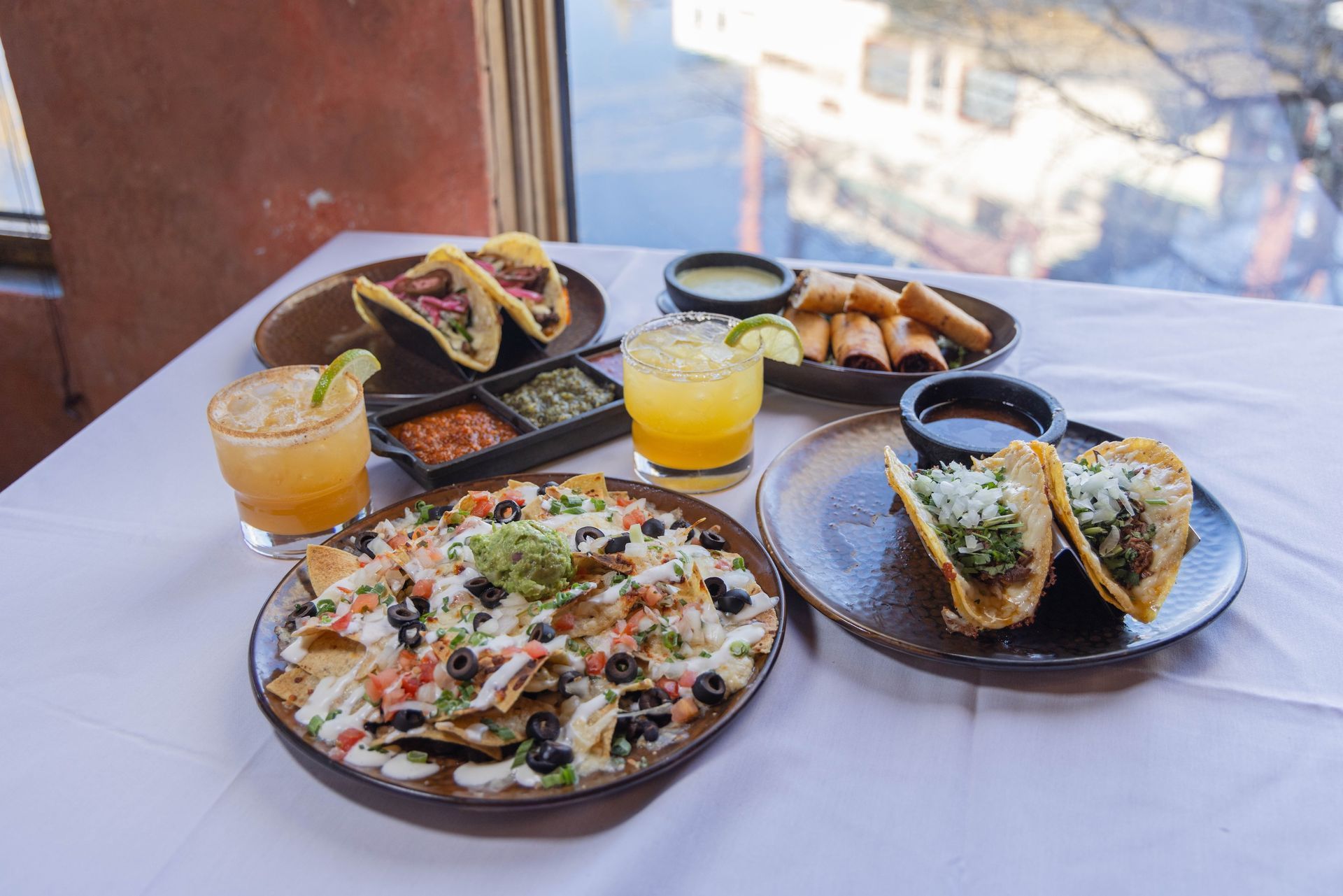
Elote is not on our menu at Mi Casa Mexican Restaurant & Cantina in Breckenridge, but sweet corn is. Our steak taco pairs ancho grilled steak with a bacon sweet corn salsa, agave jalapeño aioli and asadero jack cheese. Find it with the rest of our scratch-kitchen street tacos.
We are steps from the Peak 9 base and open daily from 11:30 am to 9 pm. Browse the full Mi Casa food menu before you come, or catch street tacos at our daily cantina happy hour from 2 to 5 pm.