Mexican Salsa Recipe: How to Make Fresh Salsa
Mexican salsa is a table sauce of chopped or blended tomatoes, chiles, onion and seasonings, served with chips and spooned over food. It can be raw or cooked, and it is usually served at room temperature.
To make fresh red salsa, pulse ripe tomatoes, onion, jalapeño, garlic, cilantro, lime juice and salt in a blender or food processor. It takes about 10 minutes. A roasted version adds 15 minutes under the broiler for a deeper, smoky flavor.
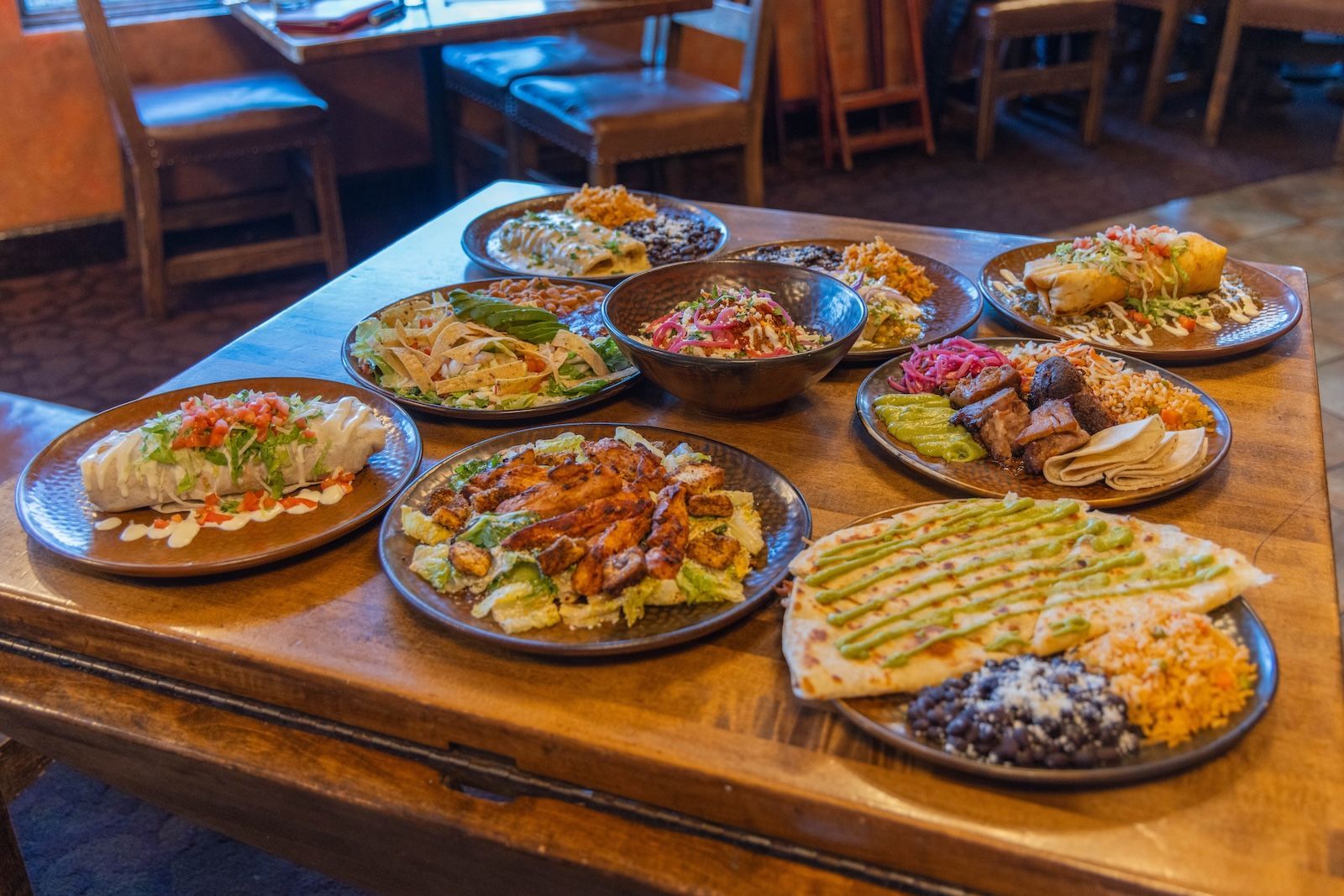
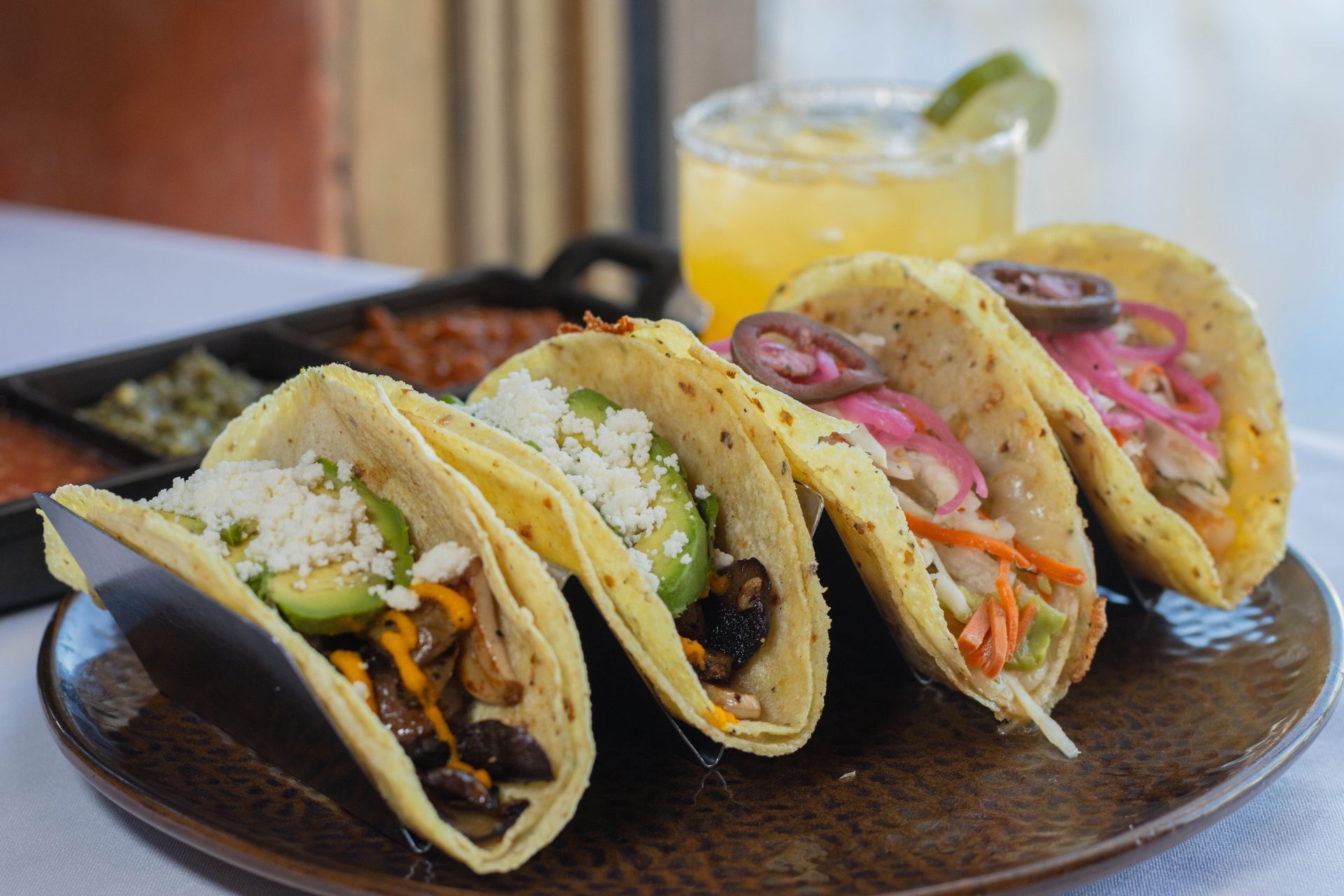
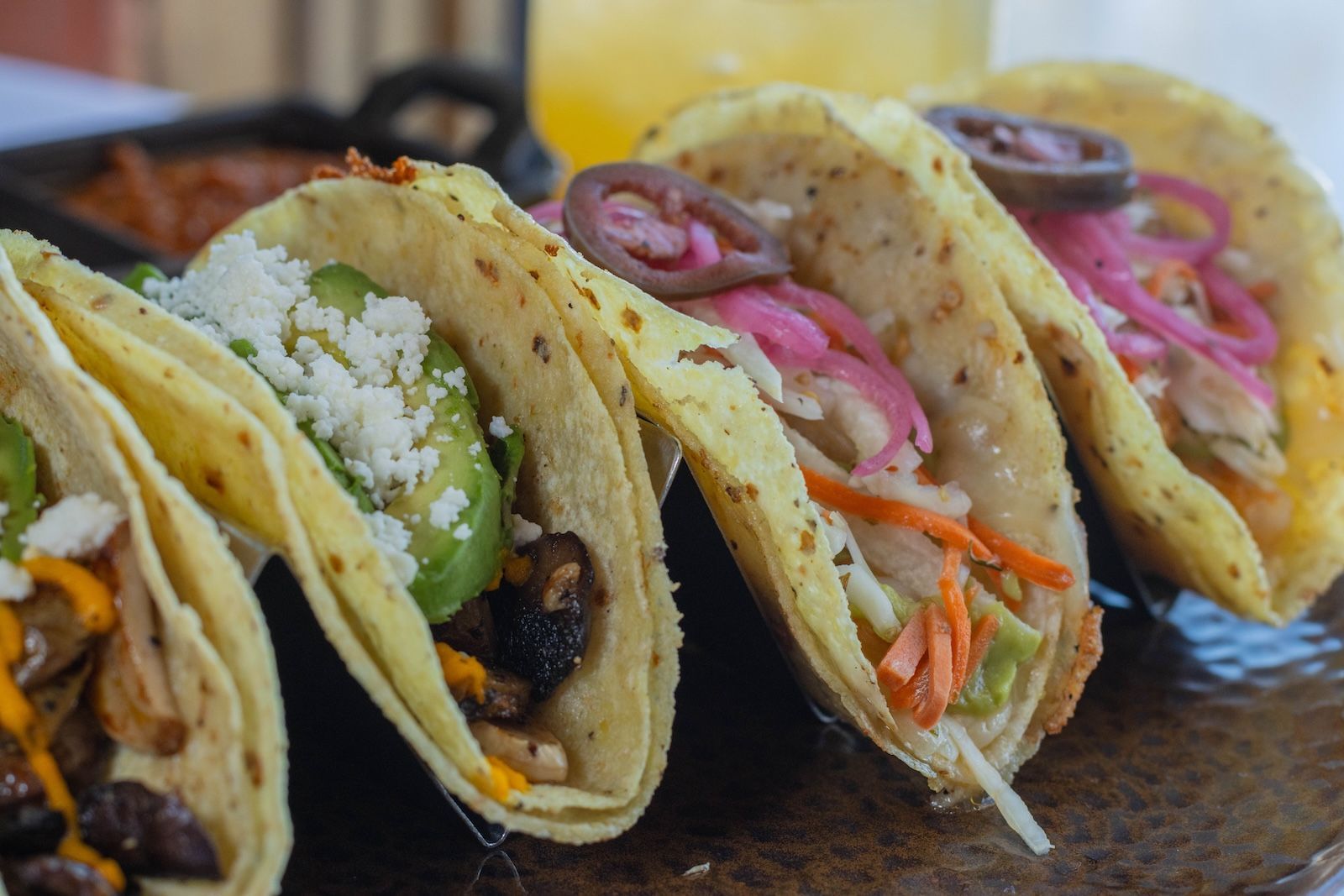
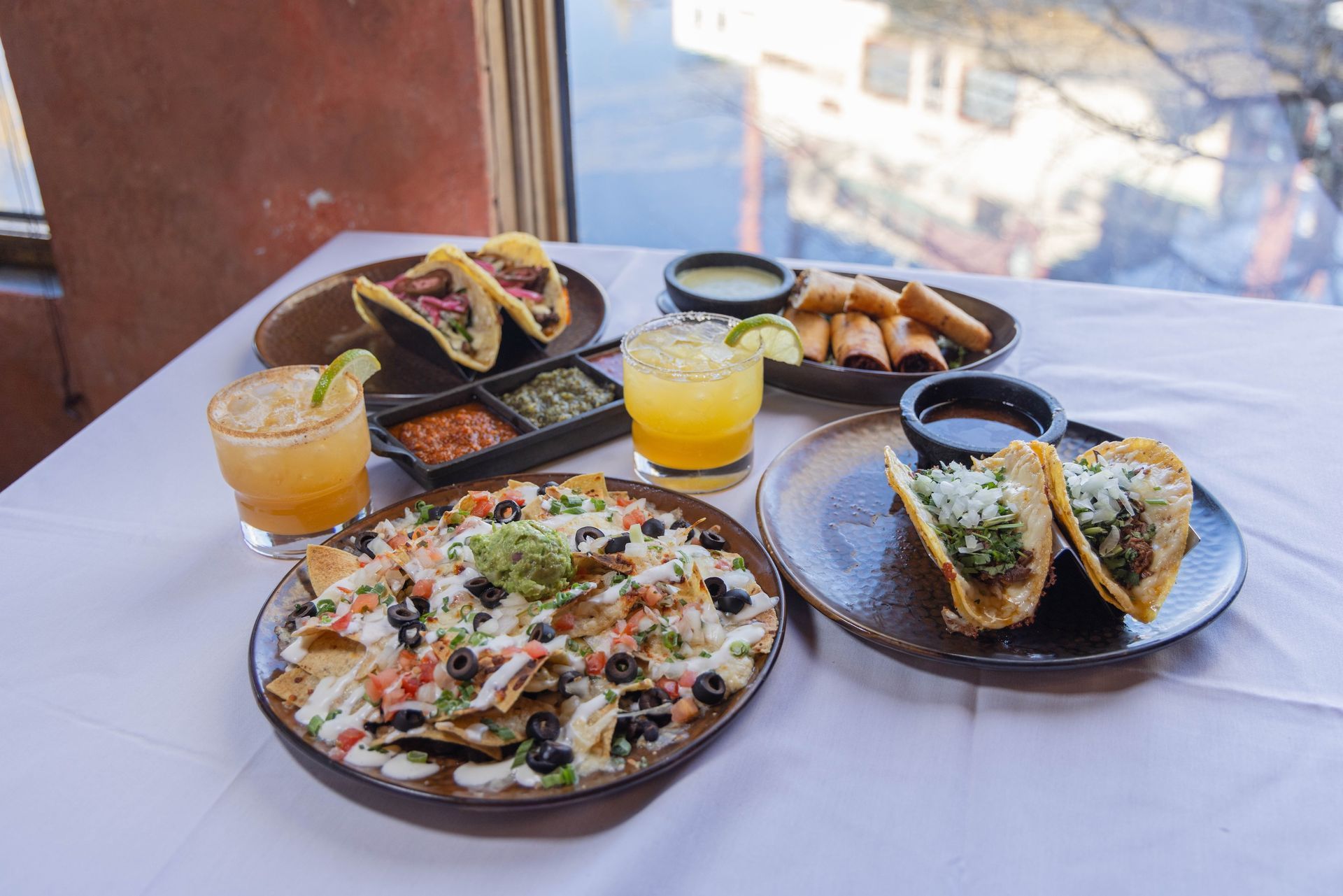
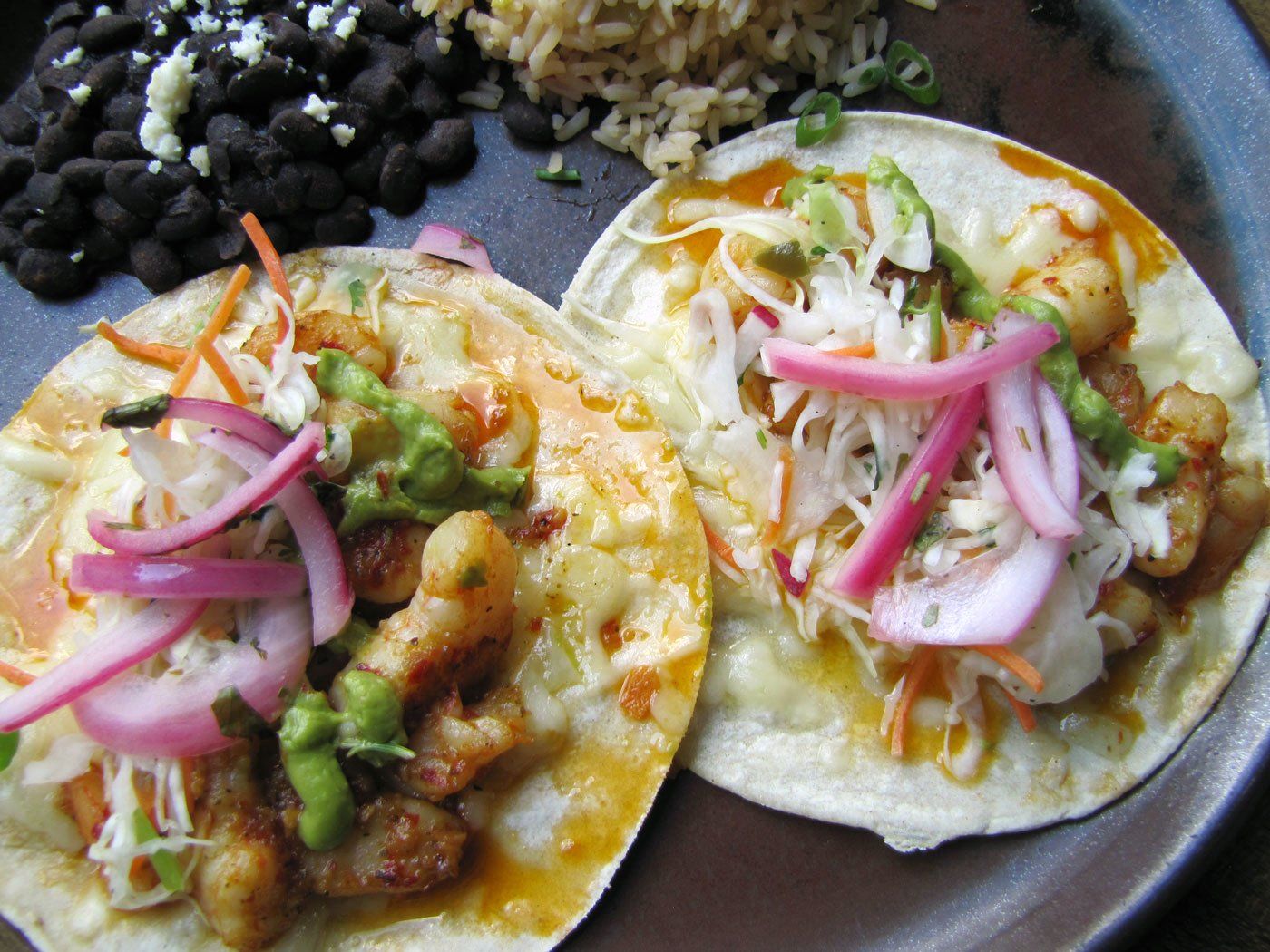
This post covers what salsa is, a short history, the ingredients, two methods, tips, variations, high-altitude notes, storage and safe canning. In Breckenridge, you can eat the house-made salsas on our tacos at Mi Casa, and we bring chips and salsa to every table.
What Is Mexican Salsa?
In Spanish, salsa means any kind of sauce. In English, the word refers to the table sauces of Mexican and Mexican-American food.
Salsas are condiments for tacos and many other dishes. Some are raw, some are cooked, and most are served at room temperature.
This recipe makes a red table salsa, the kind that arrives with a basket of chips. Mexican cooks call a cooked red salsa salsa roja. It is usually made with cooked tomatoes, chile peppers, onion, garlic and cilantro.
Two close relatives get their own posts. Green salsa swaps tomatoes for tomatillos; see a cooked green salsa of tomatillos for that recipe. Pico de gallo is a chunky, raw, less liquid salsa; the full salsa and pico de gallo comparison explains where the line sits.
A Short History of Salsa
Salsa's roots go back to ancient Mesoamerica. The Aztec condiment closest to today's table salsa also used tomatoes and chiles, with squash seeds added.
In 1571, the Spanish priest Alonso de Molina recorded the name "salsa" for it. Traditional salsas were ground in a molcajete, a stone mortar and pestle. Blenders are now common.
In the United States, salsa as a dip took hold in the early 1900s, when it appeared in community cookbooks. By the 1940s it was common across the Southwest.
Sales then climbed fast. In 1992, US salsa sales passed those of tomato ketchup. Texas made chips and salsa its official state snack in 2003.
Ingredients for Fresh Red Salsa
This recipe makes about 3 cups, enough for 6 to 8 people as a dip.
- 1 1/2 pounds ripe Roma tomatoes (about 6), cored and quartered
- 1/2 medium white onion, roughly chopped (about 1/2 cup)
- 1 to 2 jalapeños, stemmed, roughly chopped
- 1 small garlic clove, peeled
- 1/2 cup loosely packed fresh cilantro, leaves and tender stems
- 2 tablespoons fresh lime juice (about 1 lime)
- 1 teaspoon kosher salt, plus more to taste
- 1/4 teaspoon ground cumin (optional)
For the roasted version, use the same list. Leave the garlic in its skin and cut the onion into thick slices instead of chopping it.
Best Tomatoes for Salsa
Roma, or plum, tomatoes are the best choice for most home salsa. They have thick walls, fewer seeds and less juice than round slicing tomatoes. That keeps the salsa thick enough to cling to a chip.
Pick tomatoes that are deep red, heavy for their size and slightly soft. Pale, hard tomatoes make a pink, watery salsa.
In winter, good fresh tomatoes are hard to find. A 28-ounce can of whole or fire-roasted tomatoes, drained, makes a fine blended salsa. Canned tomatoes suit the roasted style best, since they are already cooked.
Choosing the Chiles
Fresh green chiles bring the heat. The two most common are jalapeño and serrano.
- Jalapeño: Typically 4,000 to 8,500 (flavor: Grassy, mild to medium; how much to use: 1 to 2)
- Serrano: 10,000 to 25,000 (flavor: Bright, biting; how much to use: 1, then taste)
The serrano is notably hotter than the jalapeño. It comes from the mountains of Puebla and Hidalgo, and its name refers to the sierras there.
To control heat, look at the pale membrane inside the chile. Most of a jalapeño's heat sits in that membrane around the seeds, not in the seeds themselves. Cut it out for a mild salsa, or leave it in for more fire.
Equipment
- Blender or food processor
- Chef's knife and cutting board
- Rimmed sheet pan and foil, for the roasted version
- Fine-mesh strainer, for draining juicy tomatoes
- Glass jar or bowl with a lid
A molcajete can stand in for the blender. It gives a coarser, rustic texture and takes more effort.
How to Make Fresh Salsa
- Load the onion, chile and garlic first. Put them in the blender or food processor. Pulse 4 or 5 times until finely chopped. Starting with the firm pieces keeps them from staying in big chunks.
- Add the tomatoes. Add the quartered tomatoes, cilantro, lime juice, salt and cumin.
- Pulse, do not purée. Pulse 8 to 10 times, in one-second bursts. Stop when the salsa is evenly chopped but still has some texture.
- Check the thickness. If it looks thin, pour it into a fine-mesh strainer for a minute. Let some juice drip off, then return the salsa to the bowl.
- Taste and season. Add salt a pinch at a time and more lime if it tastes flat. Add more chile if you want heat.
- Rest it. Cover and chill for 30 minutes, so the flavors blend. Serve it close to room temperature.
Total time is about 10 minutes, plus resting. The recipe makes about 3 cups.
How to Make Roasted Red Salsa
Roasting gives a darker, smoky salsa, close to the cooked salsa roja of many taquerias.
- Heat the broiler. Set an oven rack about 6 inches below the broiler. Line a sheet pan with foil.
- Arrange the vegetables. Put the whole tomatoes, onion slices, whole jalapeños and unpeeled garlic on the pan in one layer.
- Broil. Broil for 5 to 7 minutes, until the tops blister and blacken in spots. Flip everything with tongs and broil 5 to 7 minutes more. Pull out the garlic early if it browns fast.
- Cool slightly. Let the vegetables cool for 10 minutes. Peel the garlic. Pull the stems off the chiles.
- Blend. Tip everything into the blender, including the pan juices. Add the cilantro, lime juice and salt. Pulse until it reaches the texture you like.
- Season and rest. Taste, adjust the salt and lime, then let it cool before serving.
For more depth, toast 1 or 2 dried chiles de árbol in a dry skillet for 30 seconds. Blend them in with the roasted vegetables.
Tips for Restaurant-Style Salsa
- Use more salt than you think. Tomatoes need salt to taste like themselves. Season, wait a minute, then taste again.
- Pulse in short bursts. Long blending whips air into salsa and turns it pink and foamy.
- Drain juicy tomatoes. Seeding or straining is the simplest fix for watery salsa.
- Balance with acid. Lime juice sharpens the flavor. A small splash of white vinegar gives the clean tang of many restaurant salsas.
- Rest before serving. Thirty minutes lets the onion and garlic mellow into the tomato.
- Serve it cool, not ice cold. Cold dulls flavor. Take it out of the fridge 15 minutes before serving.
- Taste on a chip. Chips add salt, so judge the seasoning on a chip rather than a spoon.
Salsa Variations
- Chipotle salsa. Blend in 1 or 2 chipotles in adobo. A chipotle is a smoked, ripe jalapeño, so it adds smoke and heat together.
- Charred onion and garlic salsa. Roast a whole head of garlic with the onion for a sweet, mellow base.
- Árbol salsa. Toasted chiles de árbol make a thinner, hotter salsa, good for tacos.
- Mango or pineapple salsa. Swap one third of the tomatoes for diced fruit. It suits pork al pastor tacos and grilled fish.
- Corn and black bean salsa. Stir in 1/2 cup each of cooked corn and rinsed black beans after blending.
- Mild salsa for kids. Use half a jalapeño with the membrane removed, or a little green bell pepper instead.
High-Altitude Notes
Raw, blended salsa needs no change at altitude. Breckenridge sits at about 9,600 feet, but nothing in the fresh recipe boils or bakes.
The roasted version also works as written. Colorado State University Extension notes that oven temperatures are not affected by elevation. Watch the broiler closely all the same, since broiler strength varies by oven.
Cooked salsas that simmer on the stove do change. Water boils lower in the mountains, at about 193°F at 10,000 feet against 212°F at sea level, so simmered food cooks more slowly. Liquids also evaporate faster in dry mountain air. Simmer longer, keep a lid partly on and add a splash of water if the salsa thickens too much.
Storage, Make-Ahead and Food Safety
Fresh salsa tastes best the day it is made, and it is still good the next day. The onion and garlic grow stronger as it sits.
Salsa is a perishable food. Do not leave it out for more than 2 hours, or 1 hour when the air is above 90°F. Keep it cold, at 40°F or below.
Refrigerate leftover salsa in a covered jar within 2 hours. Label it with the date and use it within 3 to 4 days.
To get ahead, chop the onion, chile and garlic a day early and keep them covered in the fridge. Roasted salsa holds up a little better than fresh, so it is the better choice to make in advance.
Freezing works only for cooked salsa. Raw tomato turns mushy when thawed. Use frozen roasted salsa for cooking, such as in rice or soup.
Can You Can Fresh Salsa?
Do not can your own fresh salsa recipe. Home canning needs a tested recipe with a set ratio of tomatoes, vegetables and acid.
University of Illinois Extension shares a tested salsa from So Easy to Preserve, the University of Georgia guide. It uses commercially bottled lemon or lime juice to set a minimum acidity. It warns that changing the proportions of tomatoes, vegetables and acid can make the salsa unsafe.
Altitude also changes the processing time. In that tested recipe, pints process for 15 minutes up to 1,000 feet and 20 minutes up to 6,000 feet. Above 6,000 feet, they need 25 minutes. In Breckenridge, that means the 25-minute time.
What to Serve With Salsa
- Tortilla chips. Warm, salty corn chips are the classic partner.
- Guacamole. Set out lime-bright Hass avocado guacamole for a cool contrast.
- Queso. Add a warm bowl of chile con queso for the full chips-and-dips trio.
- Tacos. Spoon salsa over any taco, from carnitas to grilled steak.
- Chilaquiles. Simmer fried tortilla pieces in roasted red salsa for crispy chilaquiles rojos.
- Enchiladas. A smooth roasted salsa thinned with stock can sauce cheese enchiladas in red sauce.
- Eggs. Fresh salsa brightens scrambled eggs and breakfast burritos.
For more ideas, browse a guide to classic Mexican dishes that all take a spoonful of salsa.
Frequently Asked Questions
What is the difference between salsa and pico de gallo?
Pico de gallo is a type of salsa. It is chopped, raw and chunky, with less liquid. Table salsa is usually blended, and it can be raw or cooked.
Why is my homemade salsa watery?
Juicy tomatoes are the usual cause. Use Roma tomatoes, seed them or drain the finished salsa in a strainer for a minute. Over-blending also makes salsa thin and foamy.
Should salsa be cooked or raw?
Both are traditional. Raw salsa tastes bright and fresh. Cooked or roasted salsa, such as salsa roja, tastes deeper and keeps a little better.
Can you use canned tomatoes for salsa?
Yes. Drained whole or fire-roasted canned tomatoes make a good blended salsa, especially in winter. They work best in the roasted style.
How long does homemade salsa last in the fridge?
Covered and chilled, homemade salsa is safe for 3 to 4 days. It tastes best within the first two days.
How do you make salsa less spicy?
Remove the pale membrane from the chile, where most of the heat sits. Use a jalapeño instead of a serrano, or add more tomato to dilute the heat.
Chips and Salsa at Mi Casa
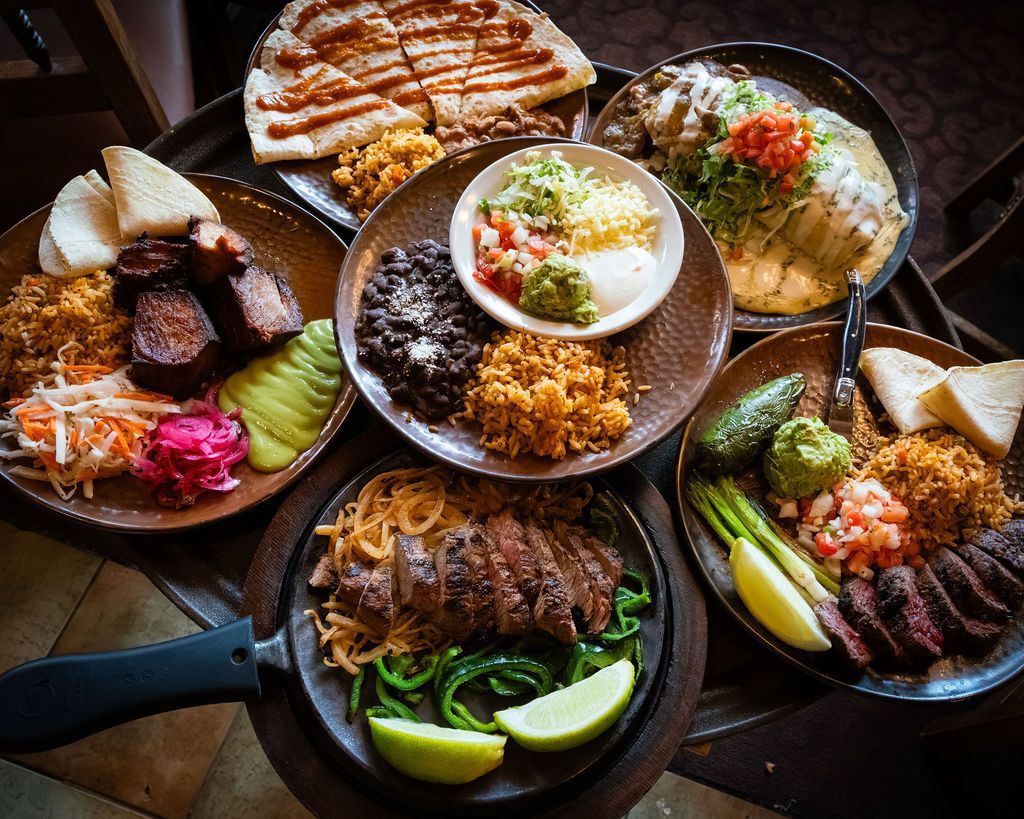
At Mi Casa Mexican Restaurant & Cantina in Breckenridge, chips and salsa come free with every table. Everything is made from scratch in our kitchen, from the slow-braised meats to the salsas and marinades.
Our salsa list includes a mild salsa fresca. Our allergen guide lists the salsa fresca, Vazquez and Modesta salsas as free of major allergens. Come in for free chips and salsa during happy hour, from 2 to 5 pm daily in the cantina.
Feeding a crowd? Our Chips & Salsa catering order brings housemade white corn tortilla chips with mild salsa fresca and salsa ramirez. Each order serves 12.