
What Is Carne Asada? Meaning, Ingredients and Origin
Carne asada is grilled, sliced beef. It is usually a thin cut such as skirt, flap or flank steak, marinated or salted and cooked over a hot fire until charred.
The name is Spanish for "grilled meat" or "roasted meat." The dish is believed to come from the ranching states of northern Mexico, especially Nuevo León and Sonora. Today people eat it in tacos, burritos and plates across Mexico and the American Southwest. Home cooks who want to make it can follow the step-by-step carne asada recipe.
This guide explains what carne asada means, what meat and seasonings go into it, where it comes from, the regional styles, how it is eaten and how it differs from other Mexican meats.
What Does Carne Asada Mean in English?
Carne asada means "grilled meat" or "roasted meat" in English. Carne is the Spanish word for meat. Asada comes from the verb asar, to roast or grill.
Although the literal words mean any grilled meat, in practice carne asada almost always means beef. Ask for carne asada at a taco stand in Mexico or the US and you will get chopped grilled steak, not chicken or pork.
Carne Asada vs Asado
Carne asada is the term used in northern Latin America, including Mexico. In much of South America the word is asado, which has a different style and preparation. An asado-style grill session works through several cuts, leaner ones first, often with sausages and chorizos. Mexican carne asada usually means one thin, marinated cut cooked fast.
Carne Asada as a Gathering
In Mexico and parts of Central America, "carne asada" also names a social event, like an American barbecue or cookout. Family and close friends gather around a grill on a weekend afternoon. In northern Mexico it is the most common dish served at parties, celebrations and other events.
So "vamos a hacer una carne asada" can mean "we are grilling steak" and "we are throwing a cookout." The food and the party share a name.
Where Does Carne Asada Come From?
Carne asada is believed to have originated in northern Mexico, especially Nuevo León and Sonora. Both states have a strong ranching culture, with cattle country, open grills and plenty of beef.
Food Network names Nuevo León, whose capital is Monterrey, as the epicenter of Mexican carne asada. It reports that Monterrey is Mexico's top consumer of carne asada, at over 80 pounds of beef per person per year.
No one dish or cook "invented" carne asada. Grilling beef over wood or charcoal is an old ranch practice. The name became the standard term as grilled steak moved into tacos, burritos and taco shops on both sides of the border. For how the taco itself grew up, see this short history of the taco.
What Kind of Meat Is Carne Asada?
Carne asada is beef, almost always a thin steak that cooks fast over high heat. The most common cuts are skirt, flap and flank. Chuck steak, called diezmillo in Spanish, is also used.
- Skirt steak: Arrachera (Mexico) (where on the animal: Diaphragm muscle, from the plate; why cooks use it: Deep beef flavor; thin; takes a marinade well)
- Flank steak: Falda (Spain, Cuba) (where on the animal: Abdominal muscles, behind the plate; why cooks use it: Lean, wide and easy to find)
- Flap meat: Bavette (France), steak tips (New England) (where on the animal: Bottom sirloin; why cooks use it: Thin and fibrous but flavorful; marinated for carne asada in Mexico)
- Chuck steak: Diezmillo (where on the animal: Shoulder; why cooks use it: Cheap; chopped fine after grilling)
- Sirloin, T-bone, New York strip: Various (where on the animal: Loin; why cooks use it: Popular in Mexico for whole grilled steaks)
Skirt steak is the trimmed, boneless diaphragm muscle. It is prized for flavor rather than tenderness. Flank steak is long and flat with a pronounced grain, so it is sliced thin to cut its chew. The two names are often confused, but they are different cuts.
In Mexico, low-cost thin cuts are sold as carne ranchera. Butchers sell it already marinated, called preparada, or plain, called no preparada, for marinating at home.
Carne Asada Ingredients and Seasoning
Carne asada has few ingredients. The beef is the star, and most of the flavor comes from the grill.
The meat is usually marinated in lime juice, salt and Mexican seasonings. Some cooks skip the marinade and rub the steak with salt or a spice rub such as lemon pepper. Food Network notes that many recipes keep seasoning minimal and that good salt is often enough.
Common marinade ingredients include:
- Citrus: lime juice, and often orange juice
- Garlic: fresh cloves, minced or crushed
- Chiles: jalapeño, serrano, chipotle or dried chile powder
- Herbs and spices: cilantro, cumin, Mexican oregano, black pepper
- Salt: coarse salt; South American cooks use a grilling salt called sal parrillera
- Extras: a splash of vinegar, beer or wine
Citrus adds tang and helps season the surface. It does not fully tenderize a tough cut, so slicing thin against the grain still matters.
How Carne Asada Is Made
Carne asada is made in three stages: season, grill, slice. The meat is marinated or salted, then grilled or seared to give it a charred flavor. After grilling it is often chopped for tacos and burritos, which minimizes toughness.
Charcoal or wood gives the most traditional smoky taste. The meat is grilled, not smoked: it cooks over direct high heat for only a few minutes per side. Many Mexican and Tex-Mex restaurants in the US sear shaved or chopped beef on a flat-top griddle instead of a flame grill.
The cooking method, cut sizes, times and safe temperature are covered step by step in the recipe linked above. If you want the same cut sliced into strips and cooked with peppers and onions, that dish is fajitas; see the sizzling skillet fajitas at home.
Regional Styles of Carne Asada
Grilled beef is a staple in cattle-ranching countries across Latin America. Each region seasons and serves it its own way.
- Northern Mexico (Sonora, Nuevo León): Salt or a light citrus marinade; grilled over charcoal or wood (how it is served: In flour tortillas, with grilled onions, salsa and beans)
- Central and southern Mexico: Citrus, garlic and chile marinades (how it is served: In corn tortillas with onion, cilantro, lime and salsa)
- United States (Southwest): Pre-marinated market meat; griddle or grill (how it is served: Tacos, burritos, carne asada fries, plates with rice and beans)
- Argentina and Uruguay (asado): Coarse salt (how it is served: With chimichurri and salads)
- Nicaragua: Skirt steak in Seville orange juice and onions (how it is served: With chimichurri, gallo pinto, sweet plantains and cabbage salad)
- Paraguay: Salt (how it is served: With fried yucca or sopa paraguaya)
Northern Mexico favors flour tortillas, while much of the rest of Mexico uses corn. The difference matters for texture and flavor; this comparison of corn and flour tortillas explains why.
In the US, carne asada fries are a local specialty of the Southwest. They are a Mexican-American creation from San Diego: french fries topped with chopped carne asada, guacamole, sour cream and cheese.
How Carne Asada Is Eaten
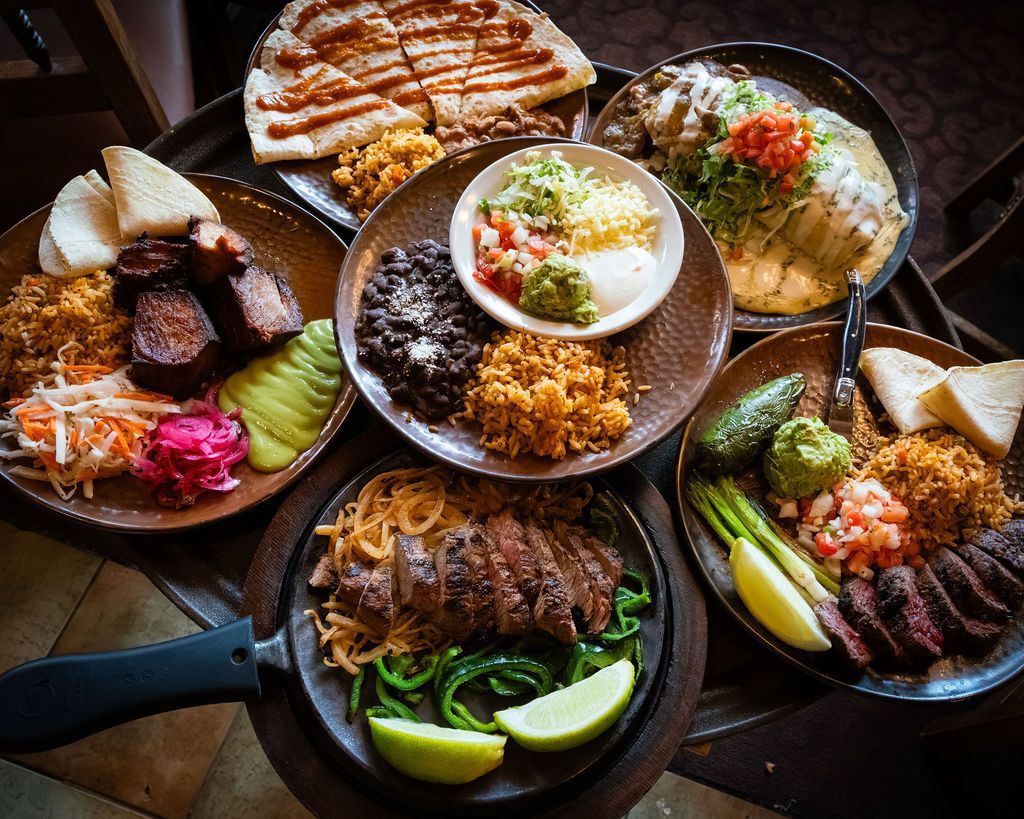
Carne asada is served as a main dish or used as a filling. As a main course it comes sliced on a plate, often with rice, beans, grilled onions and warm tortillas.
As a filling, it goes into many Mexican dishes:
- Tacos: chopped beef on corn or flour tortillas, topped with onion, cilantro, lime and salsa
- Burritos: wrapped in a large flour tortilla with rice, beans and guacamole
- Quesadillas: folded with melted cheese; see this guide to crisp, cheesy homemade quesadillas
- Nachos: chopped over chips with cheese and beans; see how to build loaded sheet-pan nachos
- Tortas: in a Mexican sandwich roll
- Sopes, gorditas and huaraches: thick corn masa bases topped with beef
- Alambres: grilled beef with peppers, onions and melted cheese
- Carne asada fries: fries loaded with beef, guacamole, sour cream and cheese
Typical toppings are salsa, grilled onions, guacamole, lime and cilantro. At a home carne asada, the grill often holds chorizo and green onions next to the steak, with beans on the side.
Carne Asada vs Other Mexican Meats
Carne asada is often confused with other taco fillings. The table compares the main ones.
- Carne asada: Beef (skirt, flank, flap) (how it is cooked: Grilled hot and fast, then sliced or chopped; signature flavor: Char, citrus, garlic)
- Arrachera: Beef skirt steak (how it is cooked: Marinated and grilled; signature flavor: The Mexican name for skirt; tacos de arrachera are the northern Mexican cousin of fajitas)
- Fajitas: Beef skirt, plus chicken, shrimp or vegetables (how it is cooked: Grilled in strips, served sizzling with peppers and onions; signature flavor: Tex-Mex; built at the table)
- Al pastor: Pork (how it is cooked: Marinated in chiles, spices and pineapple; cooked on a vertical spit (trompo); signature flavor: Sweet, smoky, red)
- Carnitas: Pork shoulder (how it is cooked: Simmered slowly in lard, then crisped; signature flavor: Rich, crisp edges)
- Birria: Goat, beef or lamb (how it is cooked: Marinated in chile adobo and stewed in broth (consomé); signature flavor: Deep chile, served with broth)
The main split is beef versus pork and grilling versus braising. Carne asada and arrachera are grilled beef. Al pastor and carnitas are pork. Birria is a slow chile stew. For the pork side, read what meat is used in al pastor. For the stew, read about birria and its chile broth.
Carne Asada vs Fajitas
Carne asada and fajitas can start with the same skirt steak. The difference is the dish, not the cut.
Fajitas are a Tex-Mex dish of grilled skirt steak strips cooked with sautéed onions and bell peppers. They are served on a flour or corn tortilla, often sizzling on a metal platter. Carne asada is the grilled steak on its own, sliced or chopped and used in many dishes.
Frequently Asked Questions
Is carne asada beef or pork?
Carne asada is beef. The Spanish words mean grilled meat in general, but the dish is almost always made from beef steak. Pork versions go by other names, such as al pastor or carnitas.
What does carne asada taste like?
Carne asada tastes beefy, smoky and charred, with a bright citrus and garlic edge from the marinade. It is savory rather than sweet. Most of the heat comes from the salsa added at the table.
Is carne asada spicy?
Carne asada is usually mild. Some marinades add a jalapeño or chile powder for a little warmth. The spice level comes mostly from the salsas and pickled chiles served with it.
Is carne asada the same as arrachera?
Not exactly. Arrachera is the Mexican name for skirt steak, and also for marinated grilled skirt steak tacos. Carne asada is the broader term: grilled beef that can be skirt, flank, flap or chuck.
What is the difference between carne asada and steak?
Carne asada is a way of preparing steak. A thin cut is marinated or salted, grilled very hot and sliced thin or chopped for tortillas. A classic American steak is usually a thicker cut grilled whole and eaten with a knife and fork.
What is carne asada seasoning made of?
Carne asada seasoning is usually salt, lime juice, garlic and cumin, often with orange juice, cilantro, chile and black pepper. Some cooks use only coarse salt. Store-bought blends add onion powder, paprika and oregano.
Grilled Steak at Mi Casa in Breckenridge
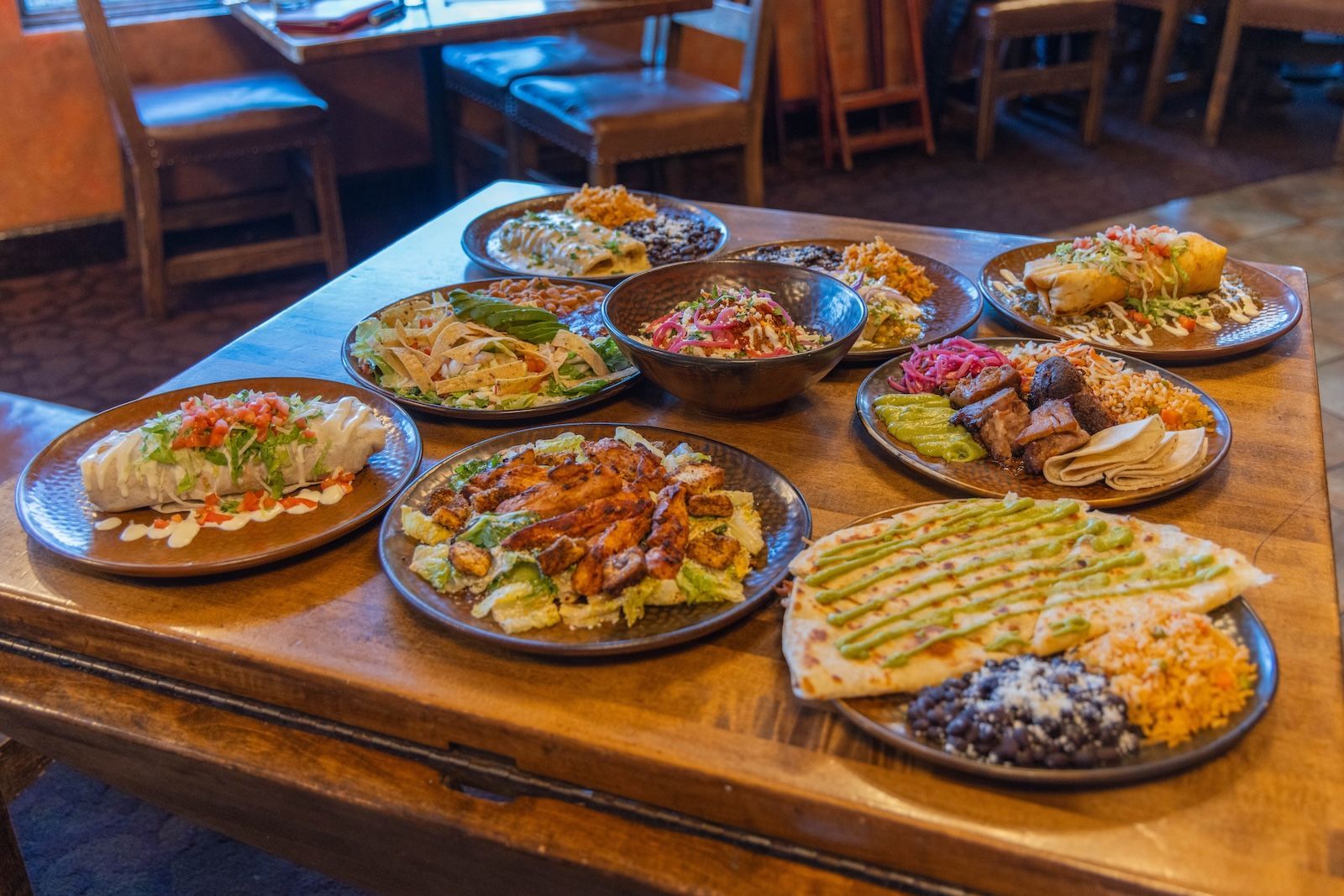
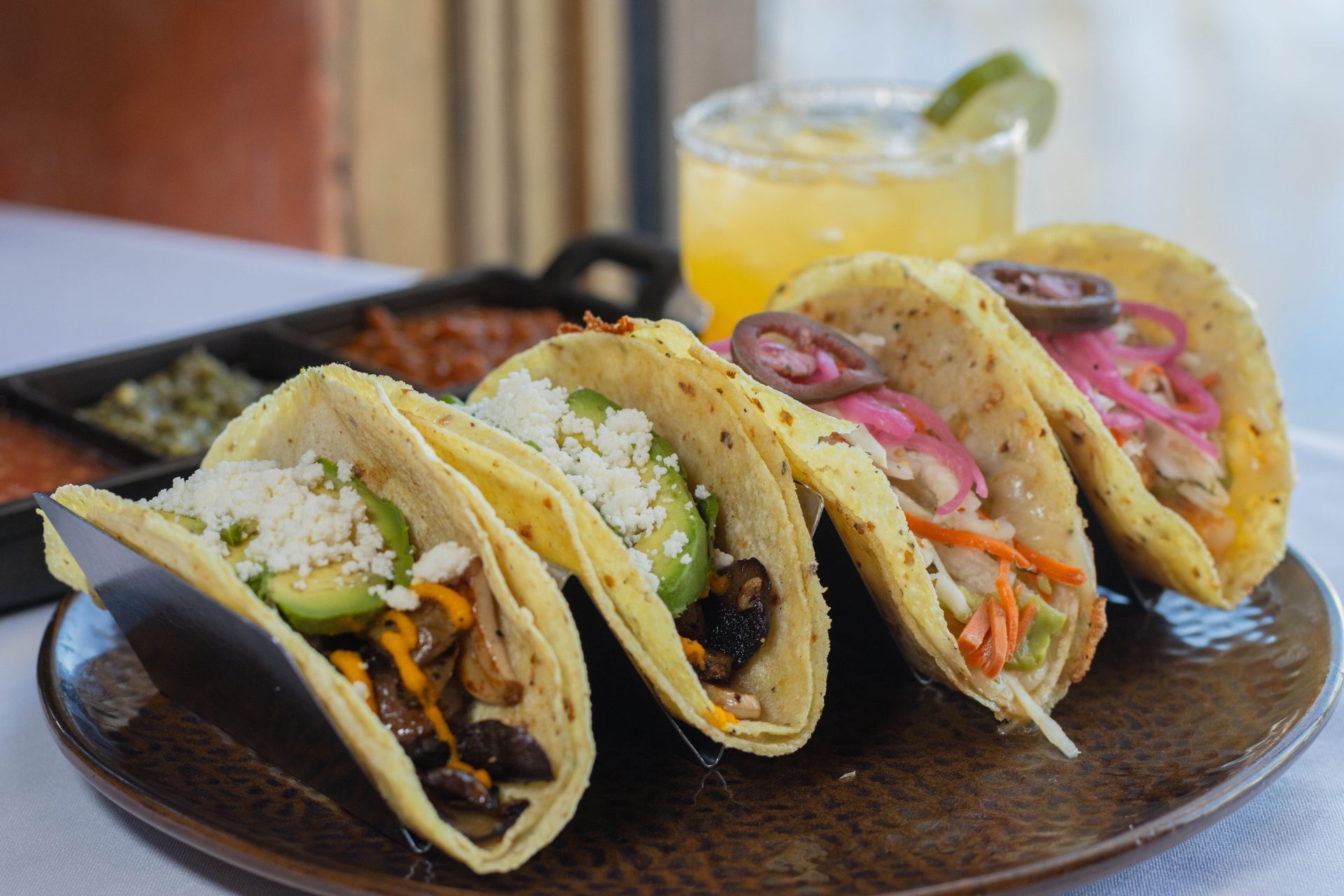
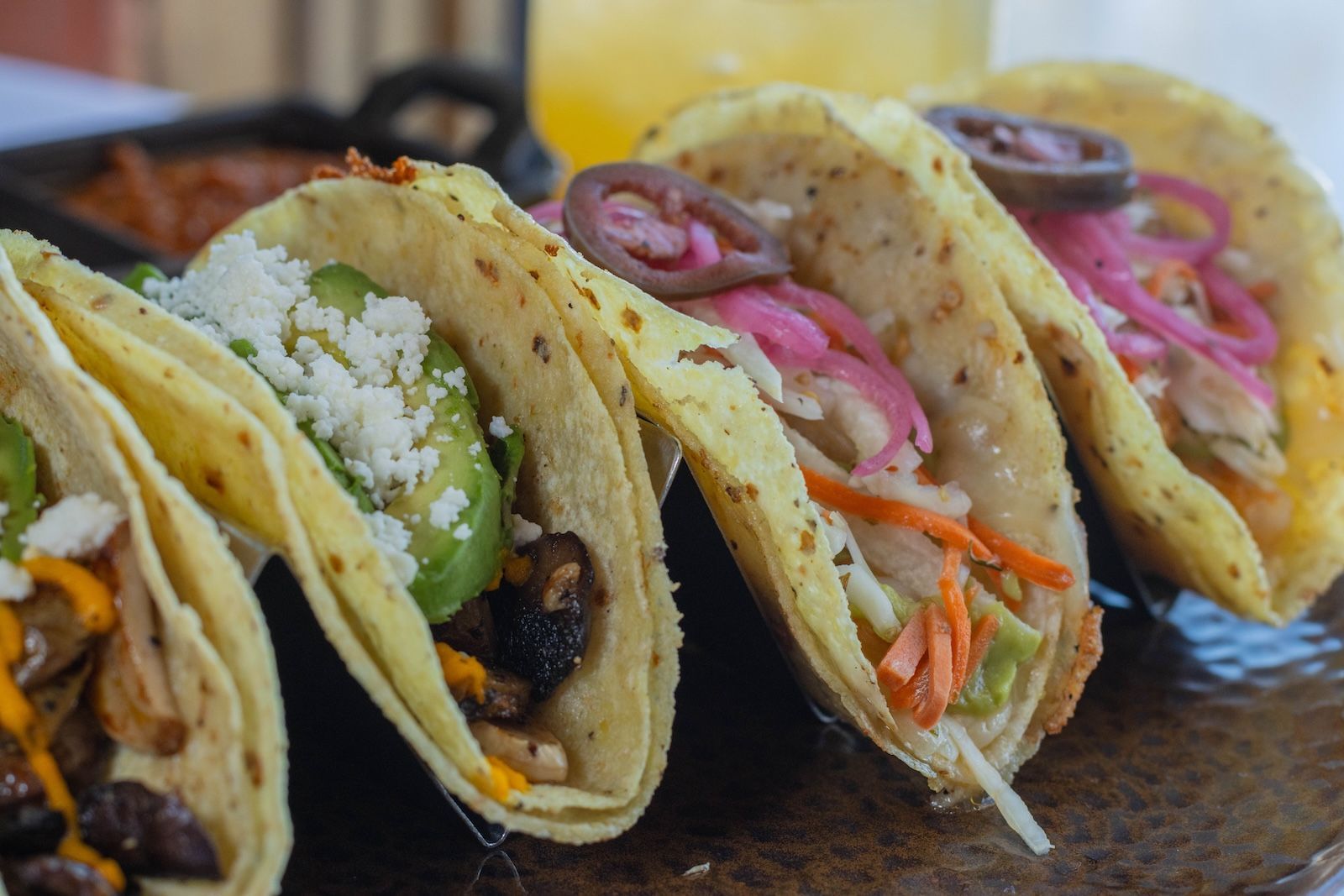
Mi Casa Mexican Restaurant & Cantina has served Breckenridge since 1981, steps from the Peak 9 base and the Quicksilver Chairlift. Our grilled steak comes three ways. The steak taco carries ancho grilled steak, bacon sweet corn salsa, agave jalapeño aioli and asadero jack cheese. Our steak fajitas use bistro tender with ancho and morita chile and garlic. The steak burrito wraps ancho grilled steak with Oaxacan rice and black beans. See every steak and street taco we make, or browse the full Mi Casa dinner menu.