
What Meat Is Al Pastor?
Al pastor is pork. It is thin-sliced pork, usually boneless pork shoulder, marinated in dried chiles, spices, achiote and pineapple, then roasted on a vertical spit called a trompo.
The cooks shave the browned outer layer into small corn tortillas and top it with onion, cilantro and pineapple. Other meats and even vegetables can be cooked "al pastor" style, but in Mexico the default is pork.
This guide covers the cut of pork, what the name means, how a Lebanese spit became a Mexican taco, the marinade, the trompo and how al pastor compares with carnitas, adobada and shawarma. If you skip meat, you can order the vegetarian cauliflower al pastor at Mi Casa in Breckenridge.
What Cut of Pork Is Used for Al Pastor?
The usual cut for al pastor is boneless pork shoulder. Shoulder has enough fat to stay juicy when sliced thin and roasted at high heat.
As the trompo turns, fat drips down the stack and bastes the meat below. That is why the outer edges turn crisp while the inside stays tender.
Pork shoulder is sold in US stores as Boston butt or pork butt. Ask for boneless shoulder, and slice it thin across the grain.
Some cooks mix in other pork cuts, but shoulder is the cut most recipes call for. Leaner cuts lose their juice faster on a hot spit.
What Does Al Pastor Mean?
Al pastor means "shepherd style" or "herdsman style" in Spanish. The name comes from an older Mexican way of cooking meat on a spit.
Mexico had a dish called asado al pastor, a spit-roast cooked over flames, long before the taco. Cookbook writer Manuel Galván Rivera described it in 1845, and a recipe from 1888 survives. The taco borrowed the name, then made it famous.
Where Does Al Pastor Come From?
Al pastor comes from Mexico, through Lebanese immigrants. The vertical spit is Middle Eastern; the pork, chiles, achiote and corn tortillas are Mexican.
From Shawarma to Tacos Árabes
Vertical spit-roasted meat spread through the Ottoman Empire in the 19th century. Its Levantine form, shawarma, came to Mexico with Lebanese immigrants, mainly Christians, in the late 19th and early 20th centuries.
In Puebla, cooks created tacos árabes in the 1930s. They are shawarma-style meat served in a pita-like flatbread called pan árabe. Tacos árabes later became popular in Chicago and Los Angeles.
Pork Replaces Lamb
Shawarma was traditionally lamb. By the 1920s, pork had mostly replaced lamb in Mexico's spit-roasted meat.
The Mexican-born children of the Lebanese immigrants opened their own restaurants. In Mexico City, they began marinating the pork in a red chile adobo and serving it on corn tortillas. That was the birth of the taco al pastor.
The Mexico City Taco
No one can say exactly when the modern taco took shape. Some sources date its rise to the 1960s.
The best-known story belongs to El Tizoncito. According to El Universal, Concepción Cervantes y Eguiluz, known as Doña Conchita, watched shawarma being made by Mexico City's Lebanese community. With a local taquero, she created an adobo of achiote, pepper and chiles, called the meat "carne al pastor," and swapped flour tortillas for corn.
El Universal dates the taco's official birth to 1966, at El Tizoncito in the Condesa neighborhood. Historians do not agree on when the modern taco first appeared, so treat it as a famous story rather than settled fact. For the bigger picture, read about how the taco itself developed in Mexico.
How Al Pastor Meat Is Seasoned
Al pastor is seasoned with an adobo of dried chiles, spices, pineapple and, usually, achiote paste. The marinade turns the pork deep red and gives it a tangy, earthy flavor.
Common marinade ingredients include:
- Guajillo chiles: Sweet, fruity and mild to medium in heat.
- Achiote paste: Ground annatto seeds, which add red-orange color and an earthy, peppery taste.
- Pineapple: Juice or flesh adds sweetness and acidity.
- Vinegar: Brightens the marinade and balances the fat.
- Garlic, cumin, clove and bay leaf: The core aromatics.
- Optional spices: Cinnamon, Mexican oregano, coriander or black peppercorns, depending on the cook.
For amounts and timing, follow the full al pastor recipe for a home kitchen, which also covers cooking without a spit.
How Al Pastor Is Cooked: The Trompo
Al pastor is cooked on a trompo, a vertical rotisserie heated by charcoal or gas. Trompo means "spinning top," after the shape of the stacked meat.
- Marinated pork slices are stacked on a vertical spit into a cone.
- The trompo turns slowly in front of the heat, so the outside browns.
- The taquero shaves thin slices from the outer layer with a long knife.
- The meat drops straight onto small corn tortillas.
The cooked surface is shaved again and again, so every taco gets the crisp, charred edge.
Is Al Pastor Always Pork? Other Meats and Meatless Versions
Traditional al pastor is pork, but the style now covers other proteins. The marinade and the cooking method define it as much as the meat does.
- Chicken al pastor: Chicken thighs or breasts in the same marinade, cooked to 165°F.
- Lamb: The original shawarma meat, which pork had mostly replaced by the 1920s.
- Cauliflower or mushrooms: Meatless versions roasted in pastor marinade. They pick up the same color, smoke and char.
- Tofu or jackfruit: Other plant-based swaps that take the marinade well.
A chicken version is even sold in the Middle East as "shawarma mexici," a rare case of the dish traveling back the way it came.
Al Pastor vs Other Taco Meats
Al pastor differs from other taco meats in its marinade and its vertical spit. Here is how it compares.
- Al pastor: Pork (how it is cooked: Marinated, stacked and roasted on a trompo; key flavor: Chile, achiote, pineapple, char)
- Adobada: Pork (how it is cooked: Name used in Baja California for trompo pork; key flavor: Similar red chile adobo)
- Carnitas: Pork (how it is cooked: Simmered in lard, then crisped; key flavor: Rich pork, crisp edges)
- Carne asada: Beef (how it is cooked: Grilled over high heat; key flavor: Beefy, charred)
- Birria: Goat or beef (how it is cooked: Braised in chile adobo; key flavor: Deep red chile, served with consommé)
- Shawarma: Usually lamb; also chicken or pork (how it is cooked: Vertical spit, served in flatbread; key flavor: Middle Eastern spices)
Al Pastor vs Adobada
Al pastor and adobada are close cousins. In Baja California and coastal areas, trompo pork is often called taco de adobada or taco de trompo. In northern states such as Nuevo León, the name taco de trompo is common.
Al Pastor vs Carnitas
Both are pork, but the methods are opposite. Carnitas are simmered in lard over low heat for three to four hours, then crisped. Al pastor is marinated in red chile and roasted dry on a spit.
Al Pastor vs Shawarma
Shawarma is the parent of al pastor. Both use a vertical spit and thin slices shaved from the outside. Shawarma is traditionally lamb, served in flatbread with Middle Eastern spices; al pastor is pork in corn tortillas with chiles, achiote and pineapple.
If you like slow-cooked red chile meat, compare it with chile-braised birria. For beef, the thin-grilled steak known as carne asada is the classic choice.
What Does Al Pastor Taste Like?
Al pastor tastes savory, smoky and slightly sweet, with a tangy finish. The chiles bring warmth more than heat, the achiote adds an earthy note, and the pineapple adds sweetness and acid.
The char matters too. Browned edges from the trompo give each bite a crisp, caramelized contrast to the soft pork inside.
How Al Pastor Is Served
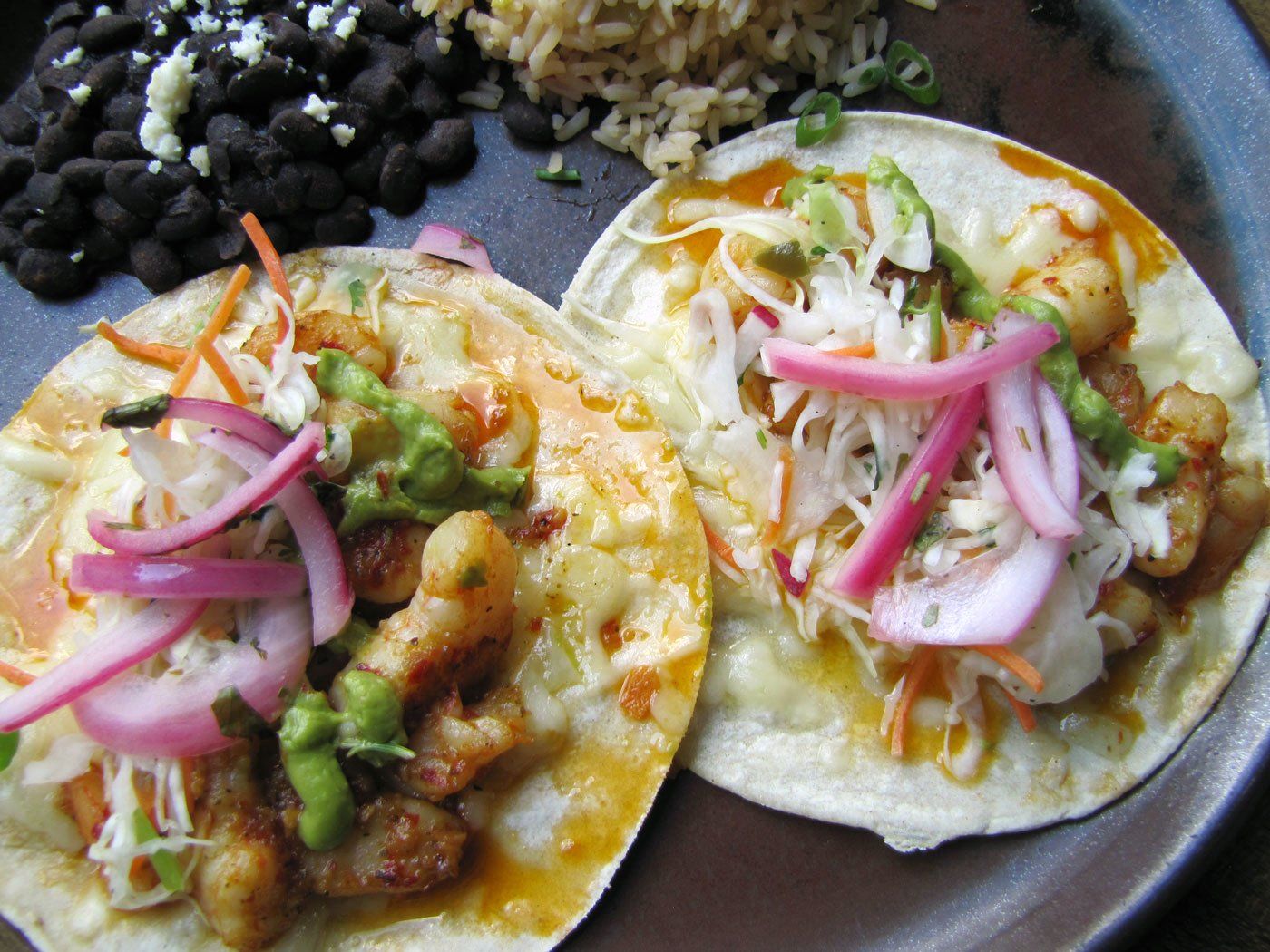
Al pastor is most often served as tacos on small corn tortillas, topped with finely chopped onion, cilantro and diced pineapple. Lime wedges and salsa are optional.
The meat also turns up in many other dishes:
- Gringas: Al pastor and melted cheese in flour tortillas, a northern Mexican style.
- Alambres: Al pastor cooked with peppers, onion and cheese.
- Huaraches: Long, flat masa cakes topped with the meat.
- Tortas and burritos: Sandwich and wrapped versions.
- Pizza: Al pastor also turns up as a pizza topping.
Corn tortillas are the default for tacos, flour for gringas. Here is more on corn or flour for your tortillas. As a street food, al pastor has spread from Mexico to the United States, alongside other well-known Mexican dishes.
Frequently Asked Questions
Is al pastor pork or beef?
Al pastor is pork, almost always pork shoulder. Beef is not traditional, although some restaurants offer chicken or vegetable versions in the same marinade.
Why does al pastor have pineapple?
Pineapple balances the rich pork and the chile marinade with sweetness and acid. It goes into the marinade in many recipes and is a standard topping on the finished taco.
Is al pastor spicy?
Al pastor is usually mild to medium. Guajillo chiles give color and flavor more than heat. Most of the spice comes from the salsa you add.
Is al pastor the same as shawarma?
No, but they are related. Al pastor grew out of the shawarma that Lebanese immigrants brought to Mexico. Mexican cooks switched to pork, a red chile and achiote marinade, and corn tortillas.
What is a gringa?
A gringa is a flour tortilla filled with al pastor and melted cheese. It is a northern Mexican style.
Al Pastor at Mi Casa in Breckenridge
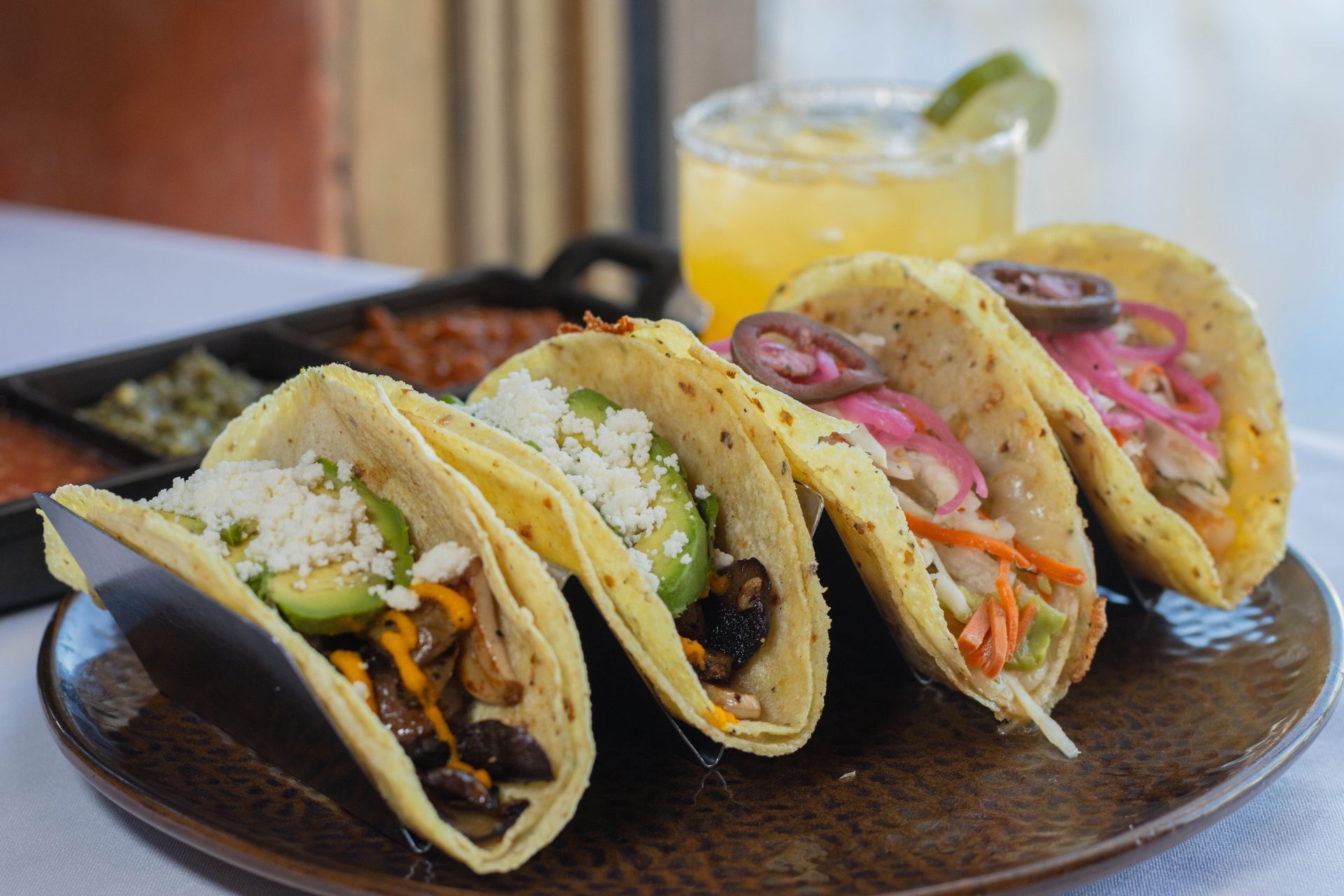
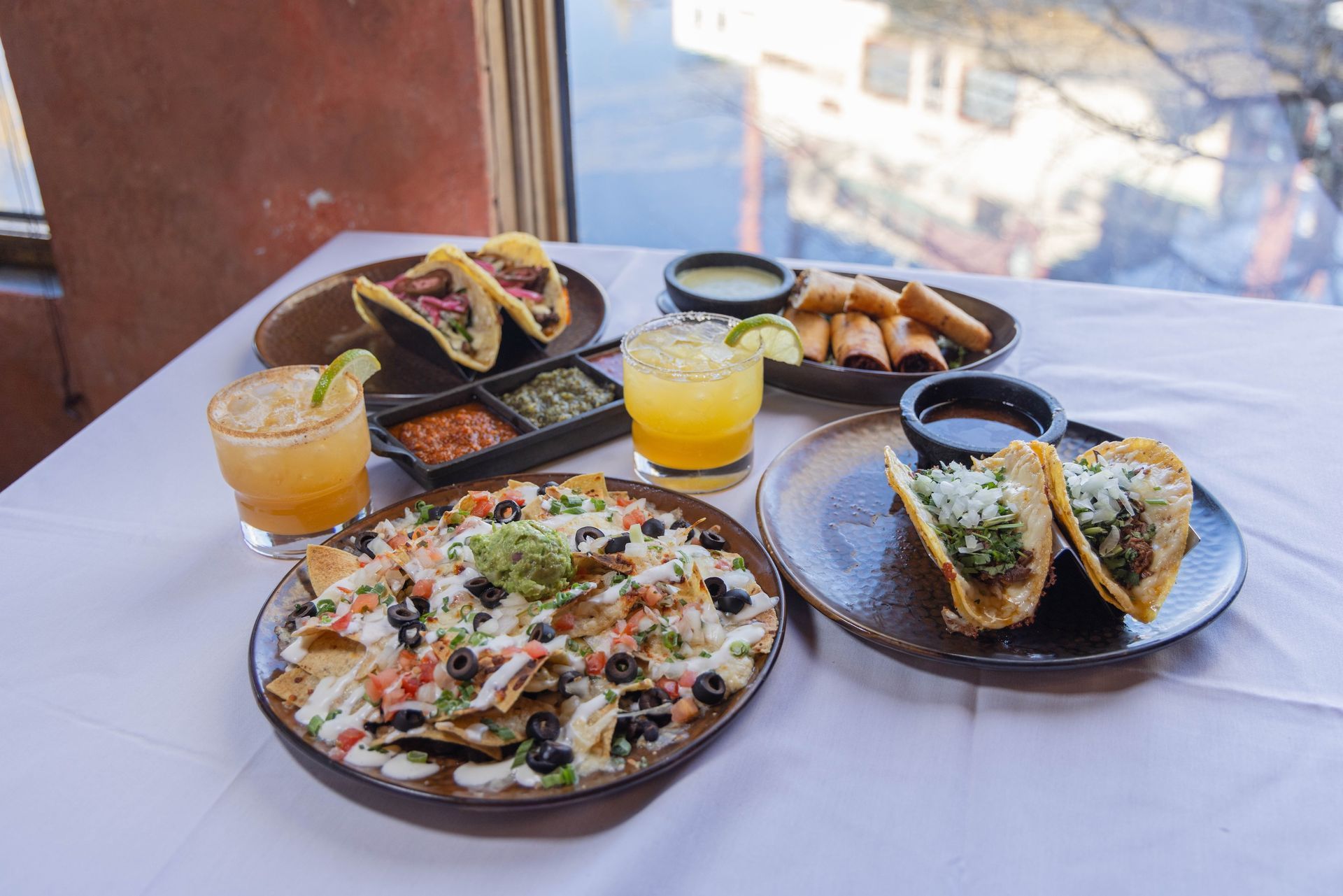
At Mi Casa Mexican Restaurant & Cantina, our al pastor is a vegetarian dish: cauliflower in a smoky pastor marinade, roasted and topped with pineapple salsa, avocado serrano salsa, green onion and cilantro.
Cauliflower al pastor is one of our happy hour street tacos, served 2 to 5 pm daily in the cantina. Every taco on Mi Casa's scratch kitchen menu is made in house, and we have served Breckenridge since 1981.