History of Tacos: Where They Come From
A taco is a traditional Mexican dish: a small, hand-sized corn or wheat tortilla topped with a filling, then folded and eaten by hand. Its history runs from pre-Hispanic tortillas to modern food trucks.
Tacos come from Mexico, but nobody knows exactly when the first one was made. Corn tortillas were eaten long before the Spanish arrived. The word "taco" for food appears in print by 1836, and tacos reached the United States in the early 1900s.
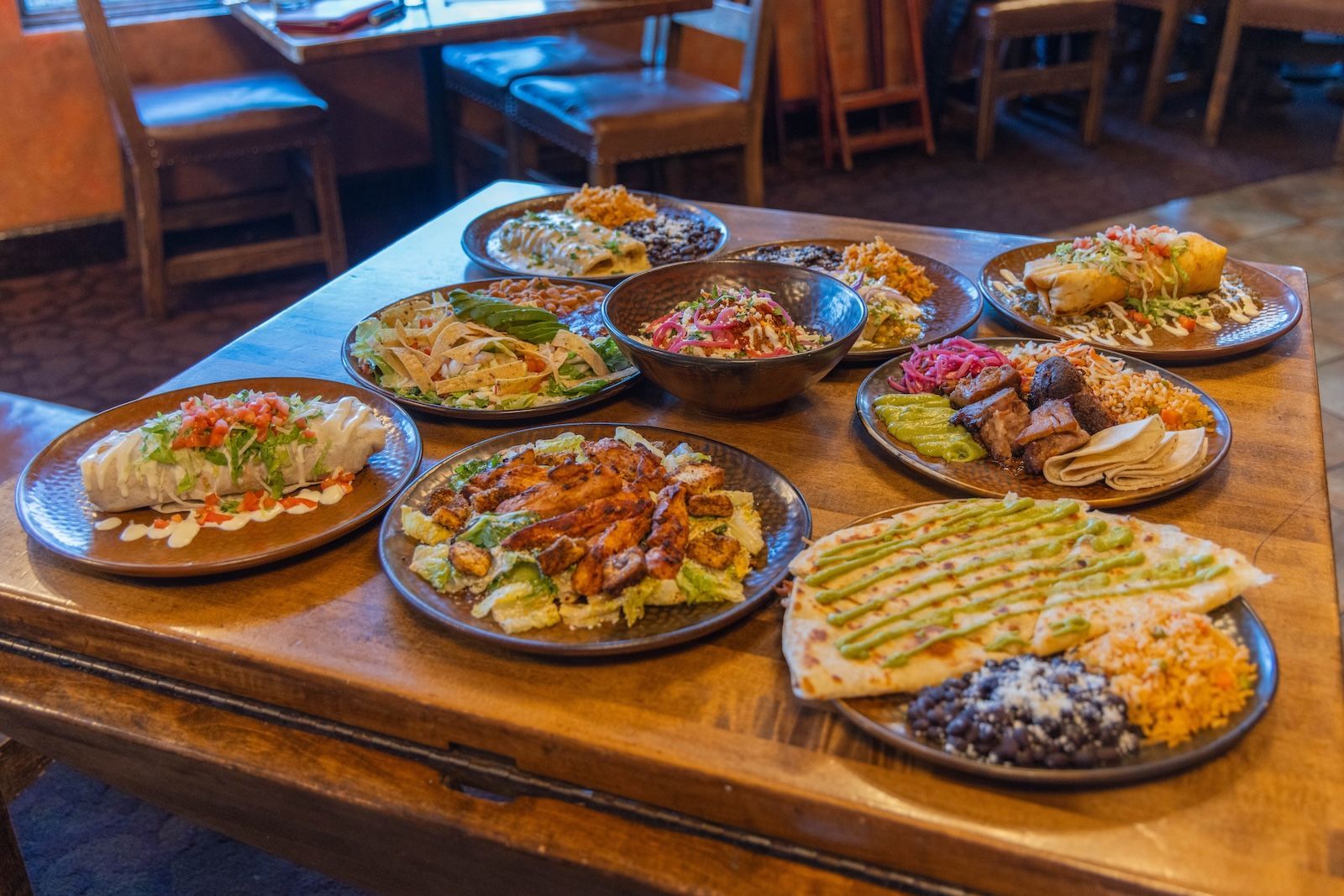
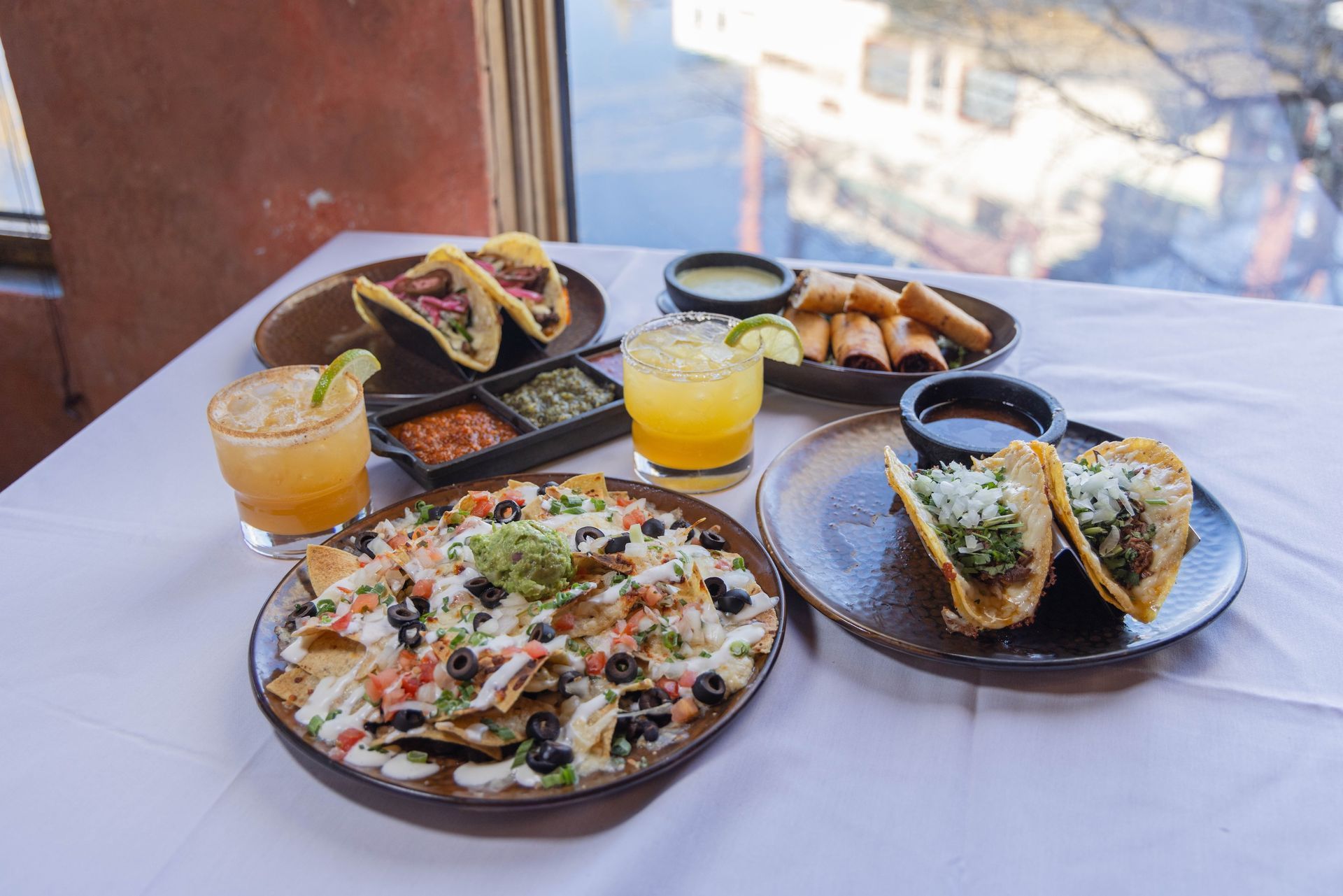
This post covers where tacos began, when they first appear in print, where the word comes from, how tacos spread to the United States, the hard shell and Taco Bell, regional styles, Taco Tuesday and tacos today. The tradition lives on in the Mi Casa's scratch-kitchen tacos in Breckenridge, a tradition for families and skiers.
Taco History Timeline
This timeline sums up the key dates in taco history. Each one is covered in the sections below.
- By about 1200 BCE: Nixtamalization turns corn into masa, making tortillas possible
- Pre-Hispanic era: People in the Valley of Mexico eat tortillas filled with small fish
- Conquest era: Bernal Díaz del Castillo records a taco-style meal Hernán Cortés gave his captains
- 18th century: One theory: Mexican silver miners use "taco" for paper-wrapped gunpowder charges
- 1836: Antonia Carrillo's cookbook mentions a "taco de tortilla"
- 1861: Manuel Payno's novel El hombre de la situación uses the word
- 1905: First known US newspaper mention of tacos, per historian Jeffrey Pilcher
- Late 1930s: US companies sell appliances and ingredients for hard-shell tacos
- 1949: First US-published hard-shell taco recipe
- 1962: Glen Bell opens the first Taco Bell in Downey, California
- 1979: Gregory's in New Jersey registers its own "Taco Tuesday" mark
- 2009: National Taco Day starts on October 4
- 2023: Taco John's gives up the "Taco Tuesday" trademark
- 2024: El Califa de León becomes the first taco stand to win a Michelin star
Where Did Tacos Originate?
Tacos originated in Mexico. The taco grew out of the corn tortilla, one of the oldest foods in Mesoamerica.
Corn is the base of Mexican cooking. To make tortillas, cooks first nixtamalize dried corn: they cook it in an alkaline liquid, then grind it into dough called masa. According to Wikipedia's entry on Mexican cuisine, this process was in use by about 1200 BCE, and it made tortillas possible.
Some historians argue the taco itself is older than the Spanish arrival. The evidence comes from the lake region of the Valley of Mexico, where people ate tortillas filled with small fish.
The first European account of a taco meal is also early. The Spanish soldier Bernal Díaz del Castillo recorded a taco feast that Hernán Cortés arranged for his captains in Coyoacán.
Still, the exact origin of the taco is not known, and historians continue to debate it. In Mexico, tortillas served as plate and spoon long before anyone wrote down the word "taco."
When Were Tacos Invented?
Tacos have no single invention date. They developed slowly from the everyday habit of wrapping food in tortillas.
The written record starts in the 19th century. One of the oldest mentions is in an 1836 Mexican cookbook by Antonia Carrillo, Nuevo y sencillo arte de cocina, reposteria y refrescos. Her recipe for rolled pork loin tells cooks to roll it like a "taco de tortilla," a tortilla taco.
A second early mention comes from fiction. Manuel Payno's 1861 novel El hombre de la situación uses the word. That disproves an older claim that the 1891 novel Los bandidos de Río Frío was the first.
Food historian Jeffrey Pilcher, a University of Toronto professor and author of Planet Taco, has said the taco's invention date is unknown. The 1836 cookbook shows the word was already in kitchen use by then.
Where Does the Word "Taco" Come From?
The origin of the word "taco" is uncertain. Wikipedia calls every explanation theoretical, but two main theories stand out.
- Silver miners: Pilcher links the word to 18th-century Mexican silver mines. Miners used "taco" for a paper-wrapped charge of gunpowder, placed in holes in the rock face. He has compared a chicken taquito with hot sauce to a stick of dynamite.
- Nahuatl: The word may come from the Nahuatl tlahco, meaning "half" or "in the middle." The idea is food placed in the middle of a tortilla.
In Spanish, taco also means a plug or wad, which fits the mining theory. Either way, the food name is younger than the food.
The word was first regional. "Taco" belonged to Mexico City and the surrounding area. Guanajuato, Guerrero, Michoacán and San Luis Potosí used "burrito," and Yucatán and Quintana Roo used "codzito." Mexico City's cultural pull later made "taco" the national word.
Tacos in Mexico: Street Food, Not the Main Meal
In Mexico, tacos are usually a snack or street food rather than the main meal of the day. They are sold at street stands and taquerías.
Different regions built their own styles. Al pastor, a Mexico City staple, has roots in Mexico's Lebanese immigrant population, who brought spit-roasted shawarma. In Mexico, the spit holds chile-marinated pork, topped with pineapple.
Fish tacos come from Baja California, with battered fish and cabbage. Birria tacos come from the slow-braised stews of Jalisco. For a tour of these and the other classics, see our guide to Mexico's best-known dishes.
How Tacos Came to the United States
Tacos crossed into the United States with Mexican immigrants in the early 20th century. According to Pilcher, the first US newspaper mention of tacos appeared in 1905.
Mexican food was already part of life in Texas by then. In San Antonio, working-class Tejana and Mexican women known as the chili queens sold low-cost, chile-spiced beef stew. Their stalls made Mexican food part of San Antonio street life.
Over time, cooks in the United States adapted tacos to local tastes and ingredients. That process produced some of the best-known American taco styles.
The tortilla itself changed in the north. Flour tortillas, made from wheat, are common in northern Mexico and the border states. To compare the two, read our breakdown of corn and flour tortillas for tacos.
The Hard-Shell Taco: An American Invention
The crispy, U-shaped hard-shell taco is a US development, not a traditional Mexican one. By the late 1930s, American companies were selling appliances and ingredients for cooking hard-shell tacos.
Patents for appliances that fried shells followed in the 1940s. In 1949, Fabiola Cabeza de Baca Gilbert published the first hard-shell taco recipe in a US cookbook.
Pre-formed shells could be made ahead and filled quickly. That made them a natural fit for the fast-food counters that came next.
Texas produced its own crispy style too. Puffy tacos, made from raw masa fried until it puffs, have been popular in the Lower Rio Grande Valley since at least the late 1930s. Henry Lopez later made them famous in San Antonio.
Taco Bell and the Fast-Food Taco
Glen Bell turned the hard-shell taco into a national product. He opened Taco Tia in the mid-1950s, then built the first Taco Bell in Downey, California, in 1962.
Fast food made the hard shell the image of a taco for many Americans. In Mexico, by contrast, tacos remain soft-tortilla street food, as the sections above describe.
Regional Taco Styles and Their Origins
Taco history is also a history of migration. Each wave of people added a new style.
- Al pastor: Mexico City, from Lebanese immigrants (what makes it: Chile-marinated pork from a vertical spit, pineapple)
- Fish tacos: Baja California (what makes it: Battered fish, cabbage, crema)
- Birria: Jalisco; birria tacos popular in Texas by 2018 (what makes it: Chile-braised meat, dipped in consommé)
- Carnitas: Michoacán (what makes it: Pork braised in its own fat, then crisped)
- Hard shell: United States, 1930s-1940s (what makes it: Fried U-shaped corn shell)
- Puffy tacos: Lower Rio Grande Valley and San Antonio (what makes it: Fried raw masa that puffs)
- Korean tacos: Los Angeles (what makes it: Bulgogi or kimchi on small corn tortillas)
Birria has a long paper trail. It appears in a 1925 El Paso Herald article. In 2018, Taquería El Remedio began serving birria de res tacos in Texas, part of the dish's modern boom.
Home cooks can make these styles. Try our recipe for birria tacos with dipping consommé, our version of spit-style tacos al pastor at home, or beer-battered Baja fish tacos.
Fish tacos reached a wide US audience through Rubio's, a chain that popularized the Baja style. Korean tacos took off in Los Angeles with the Kogi food truck, which announced its stops on Twitter.
Taco Tuesday and National Taco Day
Taco Tuesday is the custom of eating tacos, and running taco specials, on Tuesdays. For decades, the name had an owner.
Taco John's, a Wyoming chain, held the "Taco Tuesday" trademark for more than 40 years in every state except New Jersey. There, Gregory's Restaurant & Bar has held its own mark since 1979.
In May 2023, Taco Bell petitioned to cancel the trademark. Taco John's announced on July 18, 2023, that it would give it up, according to CBS News. Any restaurant can now use the phrase.
National Taco Day falls on October 4 each year. Del Taco started it in 2009, according to the Farmer's Almanac.
Tacos Today
Tacos today range from Mexico City street stands to Baja fish tacos, Texas birria and Los Angeles food trucks.
Chefs have taken them upmarket too. In 2024, El Califa de León, a Mexico City taco stand, became the first taco stand to win a Michelin star.
Food trucks helped spread new styles. Roy Choi, chef of the Kogi truck, was the first food truck chef named one of Food & Wine's Best New Chefs, in 2010.
A taco night needs more than the tacos. For rice, beans, salads and salsas that fit, see our list of sides that round out a taco spread.
Frequently Asked Questions
Who invented tacos?
No one person invented tacos. They grew out of the pre-Hispanic tradition of eating food in corn tortillas, and the word appears in print by 1836.
When were tacos invented?
Tacos have no exact invention date. Tortillas date back thousands of years, and the oldest known written mention of a taco is in an 1836 Mexican cookbook.
What does the word taco mean?
In Spanish, taco can mean a plug or wad. One theory ties the food name to paper-wrapped gunpowder charges in 18th-century silver mines; another ties it to the Nahuatl tlahco, "half" or "in the middle."
Are hard-shell tacos Mexican?
No. Hard-shell tacos are a US development. Companies sold hard-shell appliances by the late 1930s, and Taco Bell made them famous after 1962.
When did tacos come to the United States?
Tacos came north with Mexican immigrants in the early 20th century. The first known US newspaper mention dates to 1905.
Tacos at Mi Casa in Breckenridge
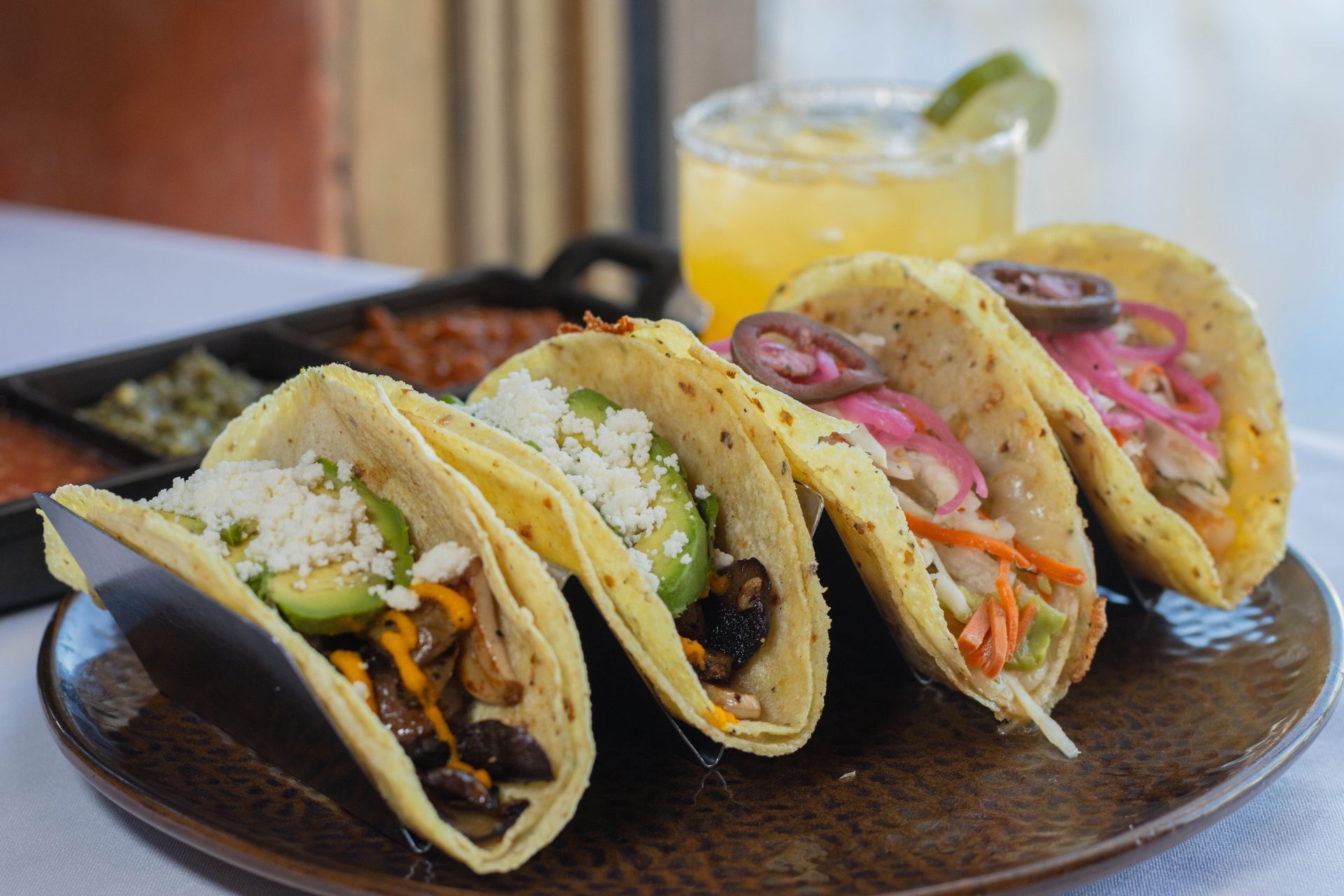
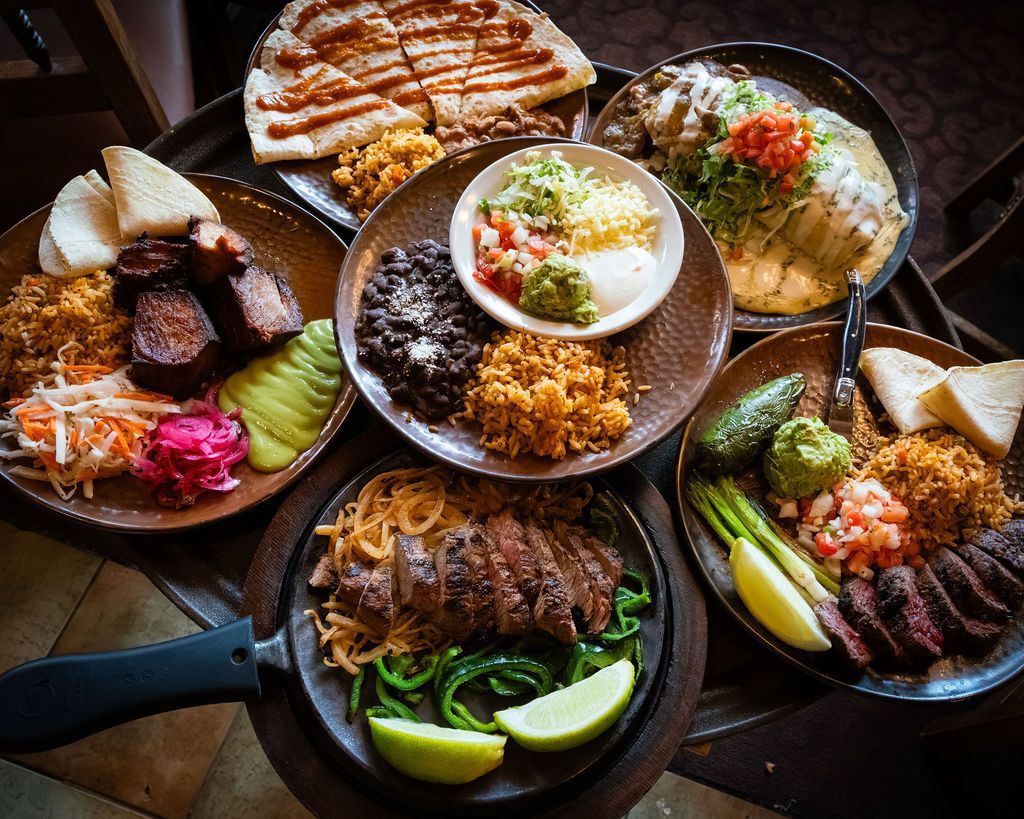
Mi Casa Mexican Restaurant & Cantina has served tacos in Breckenridge since 1981. Every taco is made from scratch in our kitchen, from the slow-braised meats to the salsas and marinades.
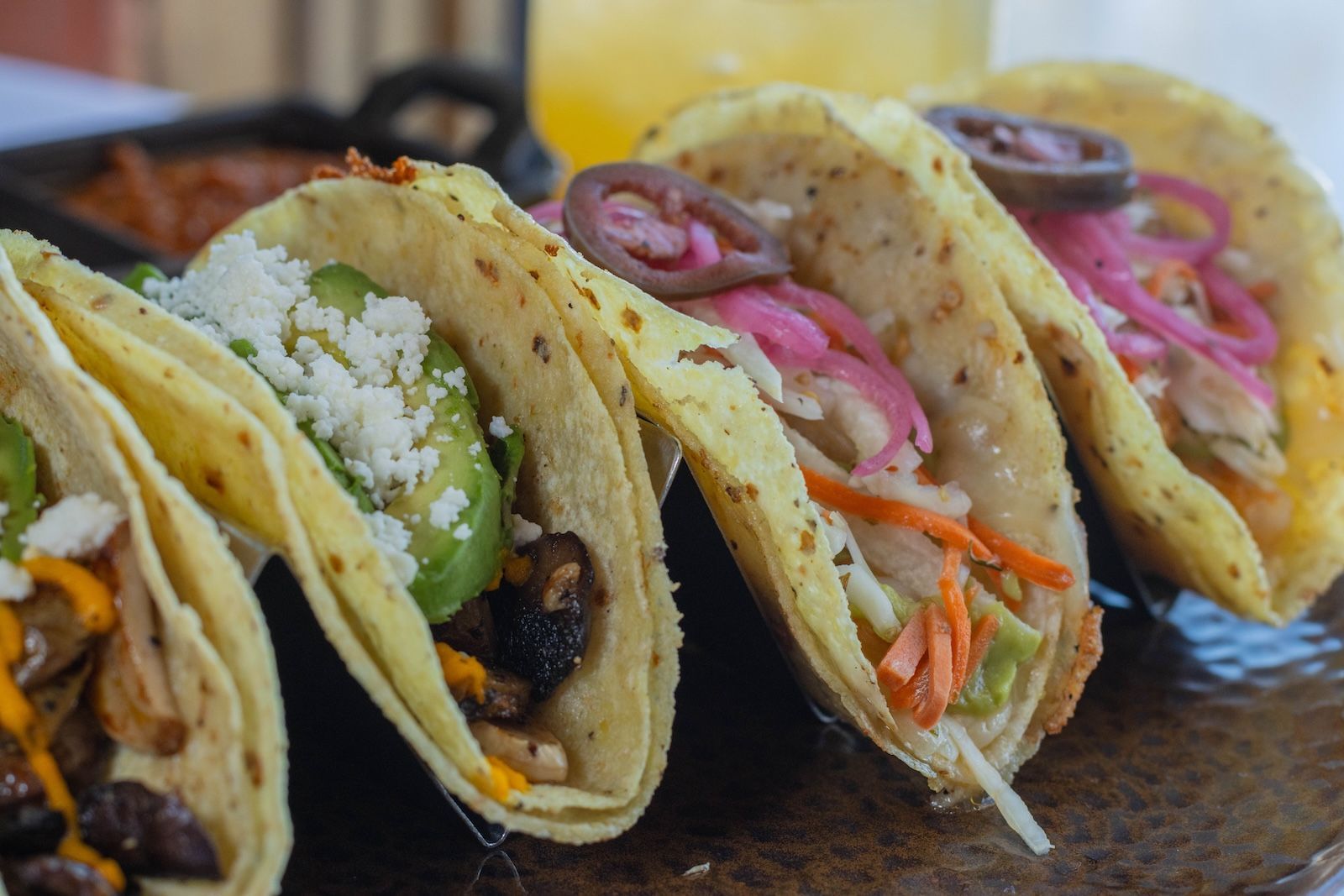
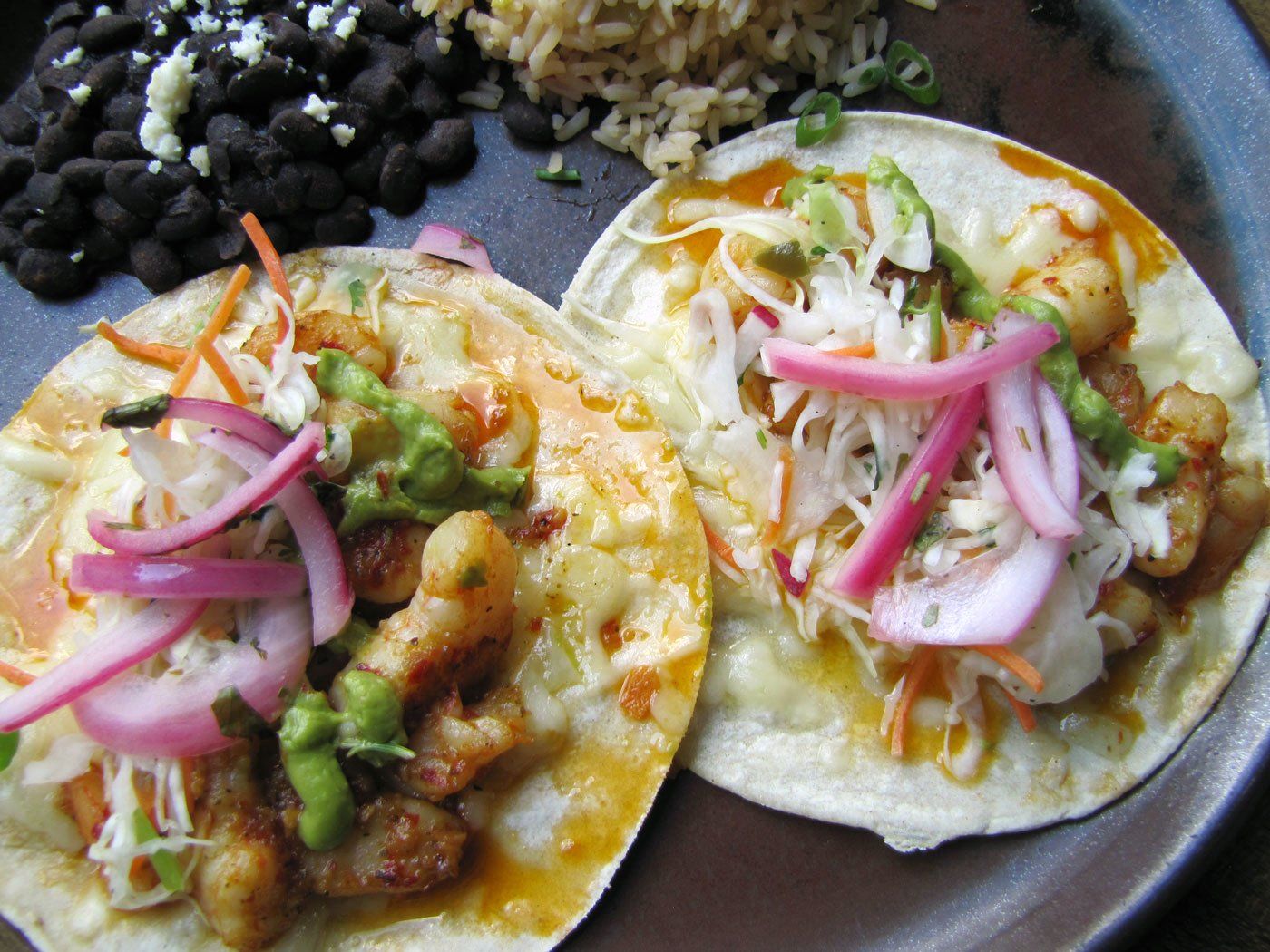
Our tacos are priced for two and come with Oaxacan rice and black or charro beans. Choices run from short rib birria with consommé and slow-roasted carnitas to Rocky Mountain elk, seared snapper and vegetarian cauliflower al pastor. The restaurant is steps from the base of Peak 9; see the full lineup on the Mi Casa food menu.