Types of Tacos: A Guide to Every Style
A taco is a small corn or wheat tortilla wrapped around a filling and eaten by hand. It is one of Mexico's best-known street foods.
There is no fixed list of taco types. Most tacos are named for their filling, such as al pastor or carnitas. Others are named for their shell or format, such as hard-shell tacos or vampiros. Others are tied to one region, like birria from Jalisco or fish tacos from Baja California.
This guide covers taco types by filling, by shell and format, and by region. It adds a comparison table, home cooking tips and answers to common questions. To learn who first chose to eat food wrapped in a tortilla, read how tacos began in Mexico and spread north.
What Is a Taco?
A taco is a traditional Mexican dish: a hand-sized tortilla, topped with a filling, folded and eaten without a fork. Fillings include beef, pork, chicken, seafood, beans, vegetables and cheese.
In Mexico, tacos are a type of antojito, the snacks and street foods sold at stands, markets and small taquerias. Tacos are usually named "tacos de" plus the filling. Tacos de lengua are tongue tacos, and tacos de pescado are fish tacos.
Tacos range from humble to celebrated. In 2024, El Califa de León in Mexico City became the first taco stand to win a Michelin star.
Types of Tacos at a Glance
This table sums up the main taco types covered below. Use it to compare fillings, cooking methods and where each style comes from.
- Al pastor: Chile-marinated pork (how it is cooked: Roasted on a vertical spit (trompo); where it comes from: Mexico City, from Lebanese shawarma)
- Carnitas: Pork shoulder (how it is cooked: Simmered slowly in lard, then crisped; where it comes from: Michoacán)
- Carne asada: Skirt or flank steak (how it is cooked: Marinated and grilled; where it comes from: Northern Mexico)
- Barbacoa: Lamb, beef or goat (how it is cooked: Slow-cooked in a pit under maguey leaves; where it comes from: Central Mexico)
- Birria: Goat or beef (how it is cooked: Stewed in chile adobo, served with broth; where it comes from: Jalisco)
- Suadero: Thin beef cut (how it is cooked: Confited in fat or fried; where it comes from: Mexico City)
- Lengua: Beef tongue (how it is cooked: Simmered, sliced, then sautéed; where it comes from: Across Mexico)
- Cabeza: Beef head meats (how it is cooked: Steamed; where it comes from: Across Mexico)
- Buche: Pork stomach (how it is cooked: Simmered for hours until tender; where it comes from: Across Mexico)
- Tripa: Tripe (how it is cooked: Fried in lard in a cazo; where it comes from: Across Mexico)
- Chorizo: Fresh spiced pork sausage (how it is cooked: Crumbled and fried; where it comes from: Across Mexico)
- Fish (Baja): White fish (how it is cooked: Battered and fried, or grilled; where it comes from: Baja California)
- Shrimp: Shrimp (how it is cooked: Grilled or fried; where it comes from: Baja California)
- Chicken tinga: Shredded chicken (how it is cooked: Simmered in chipotle tomato sauce; where it comes from: Puebla)
- Cochinita pibil: Pork (how it is cooked: Citrus and achiote marinated, roasted in banana leaves; where it comes from: Yucatán)
- Vampiro: Any meat, often carne asada (how it is cooked: Crisp tortilla griddled under cheese; where it comes from: Sinaloa)
- Puffy taco: Ground beef or chicken (how it is cooked: Raw masa fried until it puffs; where it comes from: San Antonio, Texas)
- Tacos de canasta: Potato, beans, chicharrón, adobo (how it is cooked: Kept warm and steamed in a basket; where it comes from: Tlaxcala, central Mexico)
- Tacos árabes: Spit-roasted pork (how it is cooked: Carved from a spit, served in pita-style bread; where it comes from: Puebla)
- Hard-shell taco: Ground beef, cheese, lettuce (how it is cooked: Pre-fried U-shaped corn shell; where it comes from: United States)
Types of Tacos by Filling
Most taco names describe what goes inside. The fillings below are the ones you will see most often on taqueria menus in Mexico and the United States.
Al Pastor
Al pastor is thin-sliced pork marinated in a red chile adobo, stacked on a vertical spit and roasted. The cook shaves meat off the spit straight onto small corn tortillas.
The method comes from the shawarma that Lebanese immigrants brought to Mexico. Al pastor tacos are usually finished with pineapple, onion, cilantro and salsa. For the full method, see our guide to making spit-style al pastor in a home oven.
Carnitas
Carnitas means "little meats." It is pork, usually a well-marbled cut such as Boston butt, simmered slowly in lard in a heavy pot.
The dish comes from the state of Michoacán. After three to four hours, the cook raises the heat so the outside crisps while the inside stays juicy. Carnitas tacos are often topped simply with onion, cilantro and salsa verde.
Carne Asada
Carne asada means "grilled meat." For tacos, it is usually skirt or flank steak, marinated and grilled over high heat, then chopped. It is believed to come from northern Mexico's ranching states, such as Sonora and Nuevo León.
At street stands, grilled-meat tacos are often served on two small overlapped tortillas. To learn the cuts, the marinade and the backyard tradition behind it, read what carne asada means and which cuts it uses.
Barbacoa
Barbacoa is meat slow-cooked in a pit or earth oven, covered with agave (maguey) leaves. Most scholars trace the word to the Taíno language, where it meant a framework of sticks.
Lamb is the usual meat in central Mexico. In the United States, barbacoa is often made from beef head meat, such as the cheeks. The long, gentle cooking leaves the meat soft enough to pull apart with a fork.
Birria and Quesabirria
Birria is goat or beef stewed with dried chiles and spices, then served with its broth for dipping. It comes from the state of Jalisco.
Birria later spread to Tijuana and Los Angeles. There, cooks began stuffing the meat into tortillas with cheese and crisping them on the griddle. That cheesy version is often called quesabirria. For the meats, the consommé and how the dish evolved, see the origins of birria, the Jalisco stew.
Suadero
Suadero is a thin, smooth cut from the middle of the animal, between the belly and the leg. It has almost no visible grain.
In Mexico City, suadero is a street-stand favorite. It is usually confited, meaning cooked slowly in fat, or fried until the edges crisp. The result is rich, tender and slightly chewy.
Lengua
Lengua tacos are made with beef tongue. The tongue is simmered with onion, garlic and bay leaves until soft, then peeled, sliced and sautéed.
Cooked tongue is tender and mild, closer to pot roast than most people expect. It is usually chopped and served with onion, cilantro and salsa.
Cabeza
Tacos de cabeza use meat from the head of the cow. The meats are steamed on a perforated plate until very soft.
When you order cabeza, you can often choose the part. Options may include cachete (cheek), lengua (tongue), sesos (brains), trompa (lips and snout) and ojo (eye).
Buche
Buche is pork stomach. Some sources also use the word for the esophagus, or "crop," which is also cooked for tacos.
To make tacos de buche, cooks first rinse the stomach in vinegar to tame its smell. Then they parboil it, chop it and simmer it for hours. Cooked buche is soft but slightly chewy, and it soaks up the flavor of its broth. Salsa, lime and pickled vegetables balance its richness.
Tripa
Tripa means tripe. For tacos, it is usually fried in lard in a cazo, a wide metal pan used at taco stands.
You can often ask for it soft or crisp. Crisp tripa is fried longer until it crunches, while soft tripa stays tender. The same cazo often holds suadero, carnitas and buche, which is why these tacos are also called tacos de cazo.
Chorizo
Mexican chorizo is a fresh, raw pork sausage seasoned with chiles and spices. It is different from Spanish chorizo, which is cured and sliced like salami.
For tacos, the sausage is removed from its casing, crumbled and fried until crisp. Chorizo is also a common breakfast taco filling with eggs and potatoes.
Fish Tacos (Baja Style)
Fish tacos are filled with grilled or fried white fish, cabbage or lettuce, pico de gallo and a creamy or citrus sauce. They come from Baja California.
The battered and fried version is the one most people call Baja style. In the United States, the Rubio's restaurant chain helped make fish tacos popular. To fry them yourself, follow our guide to crispy Baja fish tacos at home.
Shrimp Tacos and Tacos Gobernador
Shrimp tacos also come from Baja California. The shrimp is grilled or fried and topped with cabbage, pico de gallo, avocado and a creamy sauce.
Tacos gobernador are a shrimp and cheese taco linked to Sinaloa. Legend says they were created in a restaurant for a visiting governor, though that story may not be true. The filling usually includes shrimp, melted cheese, onion, tomato and roasted poblano.
Chicken Tinga
Tinga is shredded chicken simmered in a smoky tomato and chipotle sauce with onions. It comes from Puebla and is popular on tostadas as well as tacos.
Tinga is a good choice for home cooks because it uses everyday ingredients and reheats well. Our step-by-step guide to simmering tinga in a chipotle tomato sauce shows how to make it.
Cochinita Pibil
Cochinita pibil is slow-roasted pork from the Yucatán Peninsula, rooted in Yucatec Maya cooking. The pork is marinated in sour orange juice and achiote, which turns it bright orange-red.
It is wrapped in banana leaves and traditionally roasted in a pib, an underground pit. Cochinita pibil tacos are usually topped with pickled red onions and habanero salsa.
Vegetarian Tacos
Vegetarian tacos are an old tradition, not a modern swap. Tacos de canasta are often filled with potato or beans. Many taquerias also offer rajas (roasted poblano strips), mushrooms, nopales (cactus paddles) or squash blossoms.
Beans, potatoes and vegetables also stand in for meat in classic recipes. For a plant-based take on a meat classic, many cooks now give cauliflower an al pastor marinade.
Types of Tacos by Shell and Format
The tortilla matters as much as the filling. These styles are defined by the shell, how it is cooked or how the taco is served.
Soft Corn Tortilla Tacos
The soft corn tortilla is the original taco shell. It is made from masa, a dough of corn cooked in limewater and ground.
At street stands, soft corn tacos are often served on two small tortillas stacked together, so the taco holds up to juicy fillings. To weigh taste, texture and nutrition, see corn versus flour shells for taco night.
Flour Tortilla Tacos
Flour tortillas are made from wheat flour, fat, water and salt. They are softer, larger and sturdier than corn tortillas.
They are most common in northern Mexico and in the United States. In the U.S., "soft taco" now often means a taco in a flour tortilla. Flour tortillas also wrap most breakfast tacos.
Hard-Shell Tacos
A hard-shell taco is a corn tortilla fried into a crisp U shape, then filled with seasoned ground beef, cheese, lettuce and tomato. It developed in the United States, especially in Texas and California.
Glen Bell, who opened the first Taco Bell in Downey, California, in 1962, helped make the hard shell famous. Pre-made shells and taco kits later brought it into home kitchens.
Tacos Dorados, Flautas and Taquitos
Tacos dorados means "golden tacos." The tortilla is filled with cooked chicken, beef or barbacoa, rolled tightly and deep-fried until crisp.
Flautas and taquitos are rolled, fried tacos too. The names are used loosely and change from region to region, but flautas are often the longer of the two. They are served with crema, salsa and guacamole.
Vampiros
A vampiro is a crisp taco from Sinaloa, in northwestern Mexico. The corn tortilla is lightly fried, then griddled under a thick layer of cheese before the filling goes on.
The result sits between a taco, a tostada and a quesadilla. Carne asada is a common filling, but al pastor, chorizo, shrimp and beans all work. Nobody is sure where the name comes from. One theory says the tortillas curl like bat wings on the grill.
Mini Tacos
Mini tacos is a loose name for any bite-size taco. It can mean the small street tacos sold at taquerias, or the rolled frozen snack tacos sold in grocery stores.
Small tacos are not a gimmick. Street tacos in Mexico are usually small on purpose, so you can order several and mix fillings.
Puffy Tacos
A puffy taco starts with raw masa, not a cooked tortilla. The dough is dropped into hot oil, where it puffs up into a light, crisp shell that is soft inside.
The style is a Texas classic. Henry's Puffy Tacos in San Antonio helped make it popular. Puffy tacos are best eaten right away, before the shell softens.
Tacos de Canasta
Tacos de canasta, or "basket tacos," are small tacos packed into a cloth-lined basket. They steam in their own heat and stay warm for hours.
They come from San Vicente Xiloxochitla, near Tlaxcala, where the basket method took shape in the 1950s. Classic fillings are potato, beans, chicharrón and adobo, and each taco is brushed with oil or butter. Vendors often sell them from bicycles. In northern Mexico, steamed versions are called tacos al vapor.
Tacos Árabes
Tacos árabes, or "Arab tacos," come from Puebla, where they appeared in the 1930s. They use spit-roasted, shawarma-style meat.
Instead of a corn tortilla, the meat is wrapped in pan árabe, a pita-style flatbread. Tacos árabes are the older cousin of al pastor, and they are now popular in U.S. cities such as Chicago and Los Angeles.
Regional Taco Styles
Mexico's taco styles follow its regions. Each state's meats, chiles and cooking methods shaped its tacos, and immigrants carried them north to the United States.
- Mexico City: Al pastor, suadero, tacos de cabeza (what makes them different: Trompo pork, confited suadero, steamed head meats)
- Jalisco: Birria (what makes them different: Chile-stewed goat or beef with broth)
- Michoacán: Carnitas (what makes them different: Pork simmered in lard)
- Baja California: Fish and shrimp tacos (what makes them different: Fried seafood, cabbage, creamy sauces)
- Sinaloa: Vampiros, tacos gobernador (what makes them different: Crisp cheese-crusted tortillas, shrimp and cheese)
- Puebla: Tacos árabes, chicken tinga (what makes them different: Pita-style bread, chipotle sauces)
- Yucatán: Cochinita pibil (what makes them different: Achiote, sour orange, banana leaves)
- Tlaxcala and central Mexico: Tacos de canasta, barbacoa (what makes them different: Basket-steamed tacos, pit-cooked lamb)
- Oaxaca: Chapulines (what makes them different: Roasted grasshoppers)
- Texas: Puffy tacos, breakfast tacos (what makes them different: Fried masa shells, flour tortillas with eggs)
- Los Angeles: Korean tacos (what makes them different: Bulgogi and kimchi on small corn tortillas)
The United States has added its own styles. Korean tacos, popularized by the Kogi food truck in Los Angeles, put Korean fillings such as bulgogi on corn tortillas. The Navajo taco uses frybread instead of a tortilla. Hard-shell and puffy tacos are U.S. inventions too.
Street Tacos: How Tacos Are Served in Mexico
Street tacos are small, simple tacos sold from stands, carts and taquerias. In Mexico, they are a snack or a quick meal rather than a big plated dinner.
A typical street taco has one filling on one or two small corn tortillas. It is finished at the stand with chopped onion, cilantro, a squeeze of lime and a spoonful of salsa. Diners usually order a few at a time, often trying different fillings.
Salsa is what makes each stand different. Red salsas are made from tomatoes or dried chiles, and green salsas from tomatillos. If you want to make your own, start with a fresh tomato salsa made from scratch.
In the United States, "street tacos" on a menu usually means this small style, with onion and cilantro instead of lettuce and shredded cheese.
What Is the Best Meat for Tacos?
The best meat for tacos depends on how you cook it. Fatty, tough cuts suit slow cooking, while lean, thin cuts suit fast, high heat.
- For grilling: Skirt steak and flank steak. Slice them thin and across the grain after cooking.
- For slow cooking: Pork shoulder for carnitas or al pastor, beef chuck or short rib for birria, and beef cheeks for barbacoa.
- For quick weeknight tacos: Chicken thighs, which stay juicier than breasts, and ground beef for hard shells.
- For seafood: Firm white fish such as cod, snapper or mahi-mahi, and medium or large shrimp.
- Without meat: Mushrooms, cauliflower, potatoes with chorizo-style spices, or black beans.
Fat carries flavor in taco fillings. A cut with some marbling will taste better and stay moister than a very lean one.
How to Make Authentic Mexican Tacos at Home
Authentic Mexican tacos are simple: good tortillas, one well-seasoned filling and fresh toppings. The steps below work for almost any style.
- Pick one filling. Choose a single meat or vegetable and cook it well, instead of piling on many.
- Use fresh corn tortillas. Small corn tortillas are the classic choice for street-style tacos.
- Warm the tortillas properly. Heat them on a dry skillet or comal for about 30 seconds per side, until soft and spotted.
- Keep them warm. Stack the hot tortillas in a clean kitchen towel or tortilla warmer so they steam.
- Double up for juicy fillings. Use two tortillas per taco for braised meats like birria or carnitas.
- Top lightly. Add chopped white onion, cilantro, a squeeze of lime and one good salsa.
- Serve right away. Assemble at the table so the tortillas stay soft and crisp shells stay crisp.
Skip the shredded yellow cheese and sour cream if you want the Mexican street style. Save them for Tex-Mex and hard-shell tacos. For beans, rice, salads and drinks, browse sides and drinks that round out a taco night.
Frequently Asked Questions
How many types of tacos are there?
There is no official count. Tasting Table's guide explains 15 types, while longer lists run to several dozen, depending on whether they count fillings, shells or regional versions.
What is the most popular type of taco?
No single ranking exists. Al pastor, carne asada, carnitas, birria and fish tacos appear in nearly every taco guide. In the United States, the hard-shell ground beef taco is also very familiar.
What is buche meat?
Buche is pork stomach, and some cooks also use the word for the esophagus. It is cleaned, then simmered for hours until tender. It tastes mild and porky, with a soft, slightly chewy texture.
Who invented tacos?
No one person invented tacos. They grew out of the corn tortilla in Mexico, and the word "taco" appears in a Mexican cookbook by 1836. The hard-shell taco developed later in the United States.
What are street tacos?
Street tacos are small tacos on corn tortillas, sold at stands and taquerias. They usually have one filling, topped with onion, cilantro, lime and salsa.
What is the difference between a taco and a taquito?
A taco is usually soft and folded. A taquito is rolled tightly around its filling and deep-fried until crisp, so it is eaten more like a snack.
Tacos at Mi Casa in Breckenridge
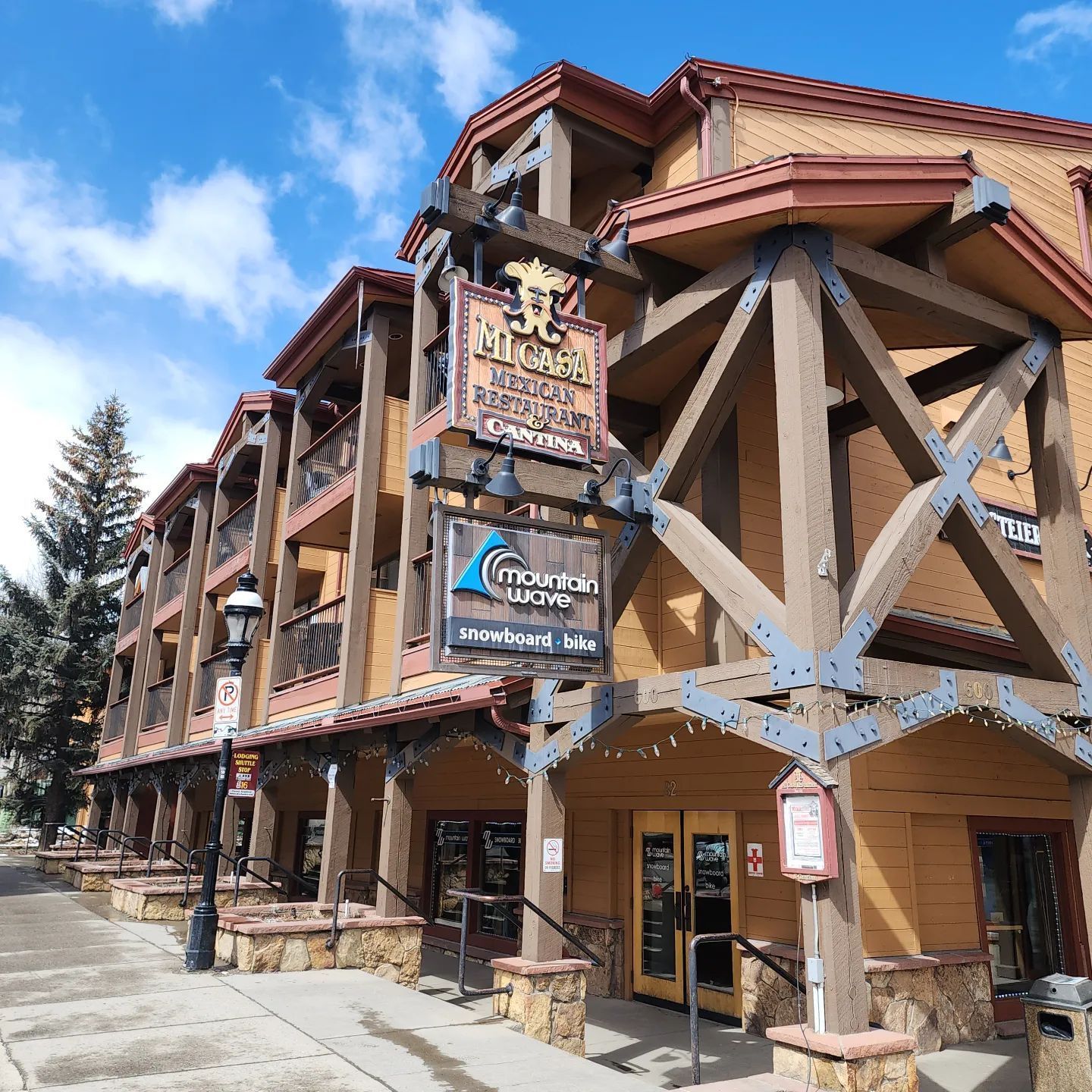
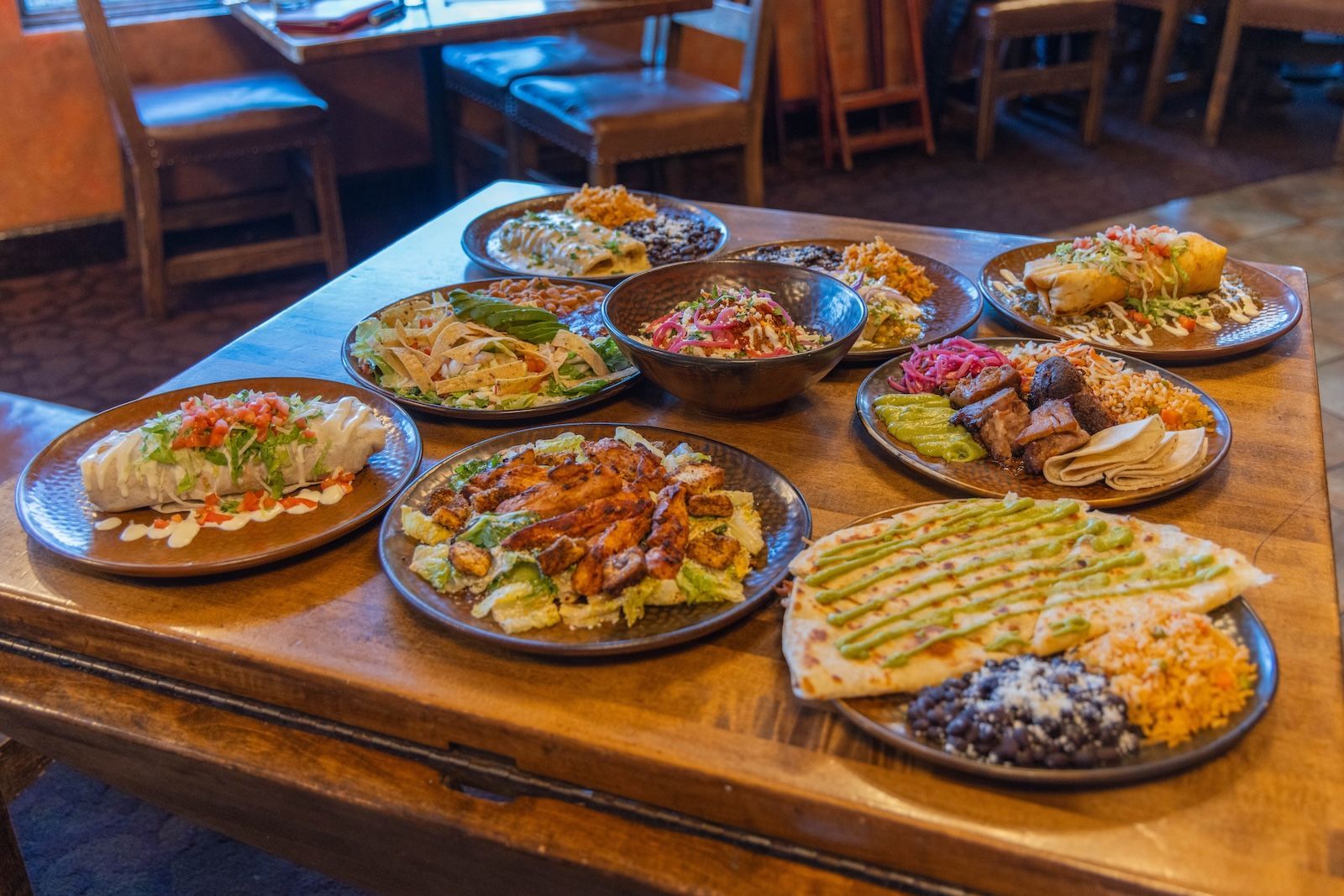
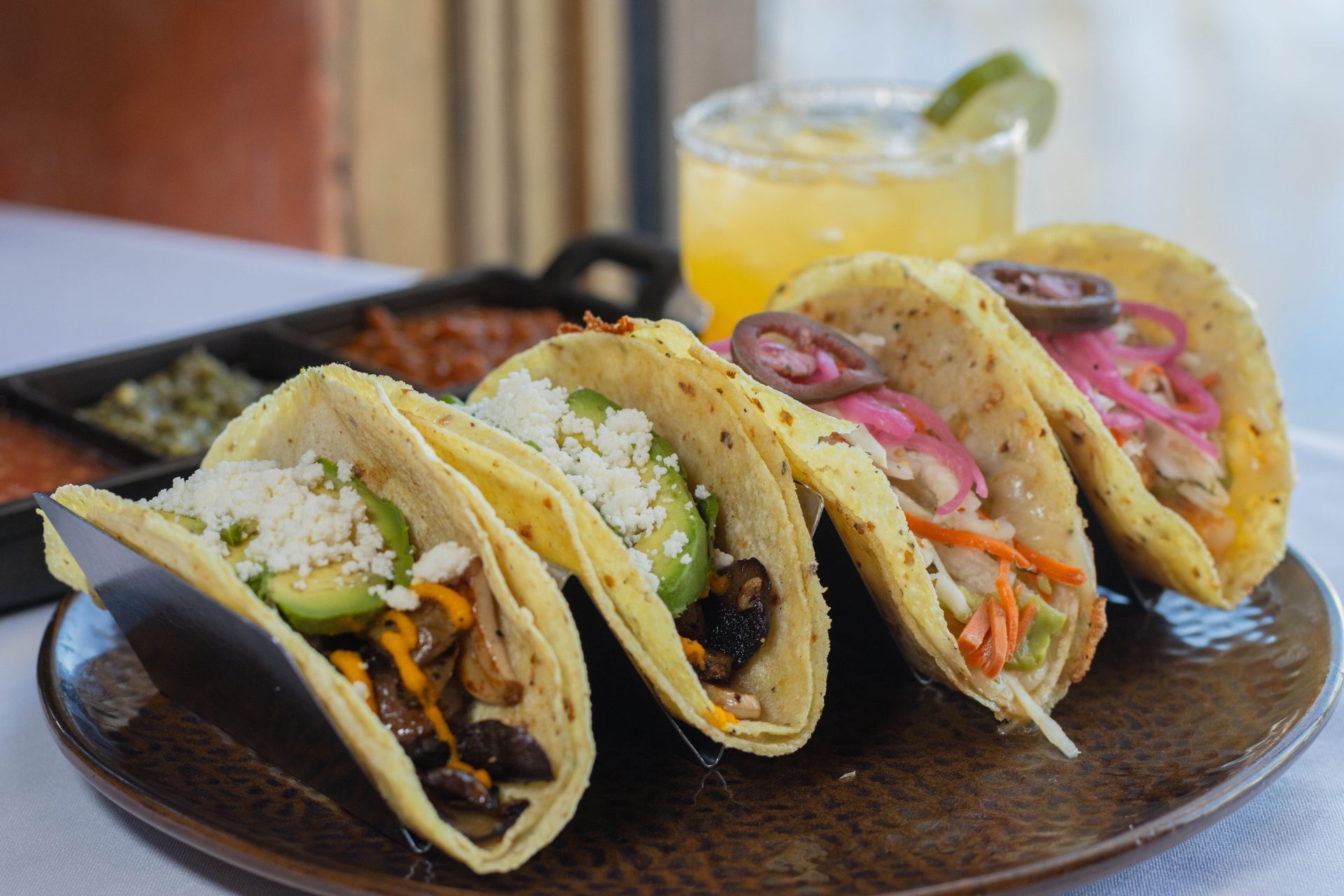
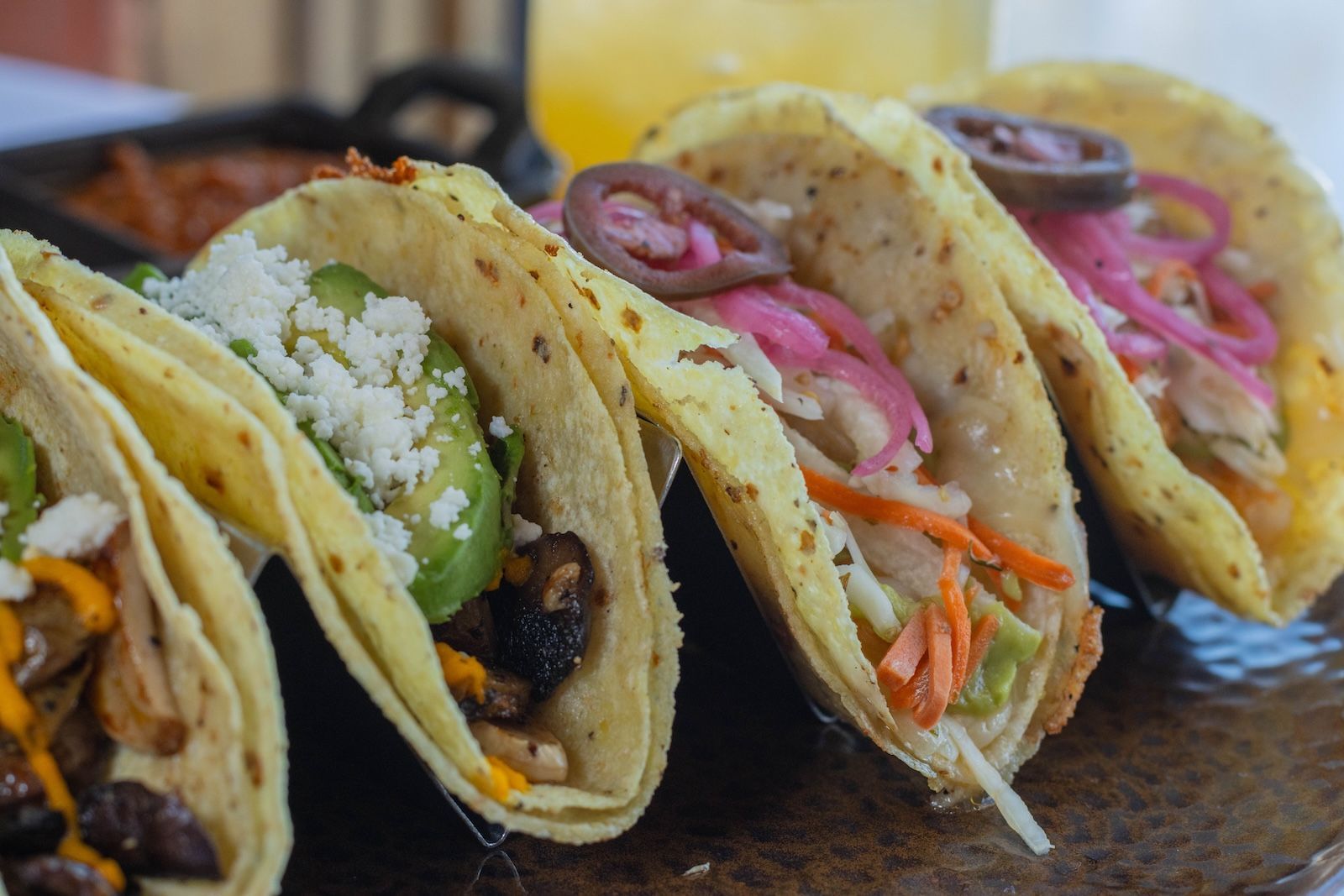
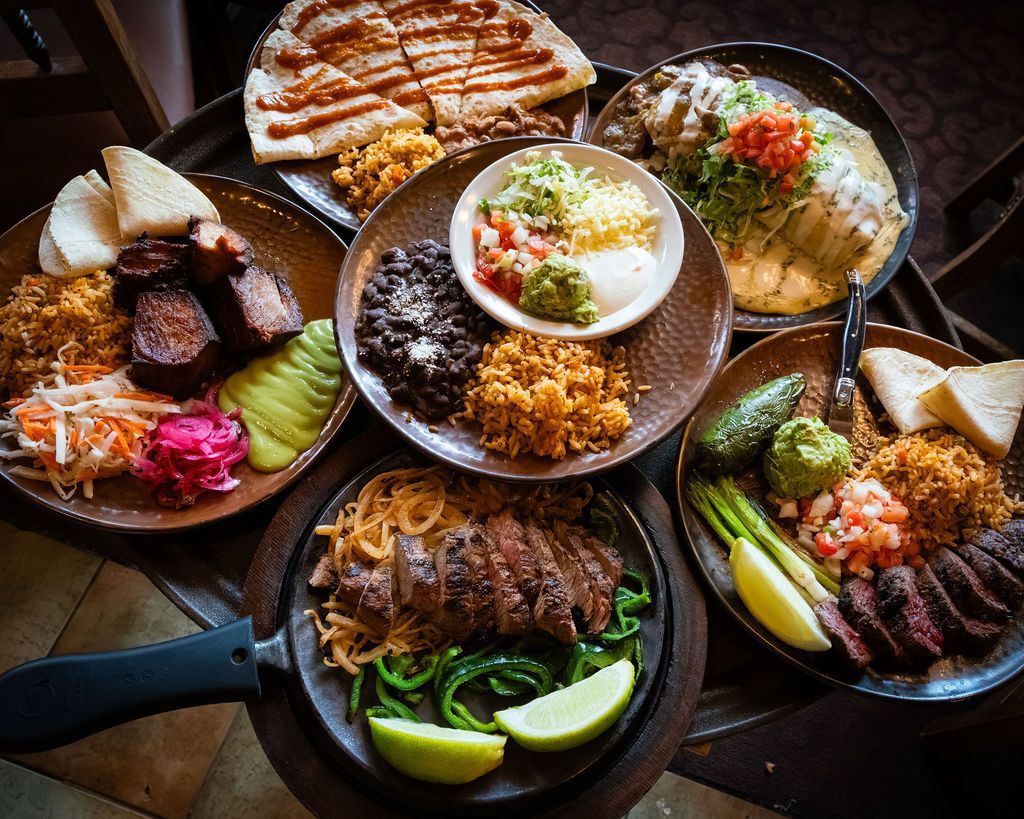
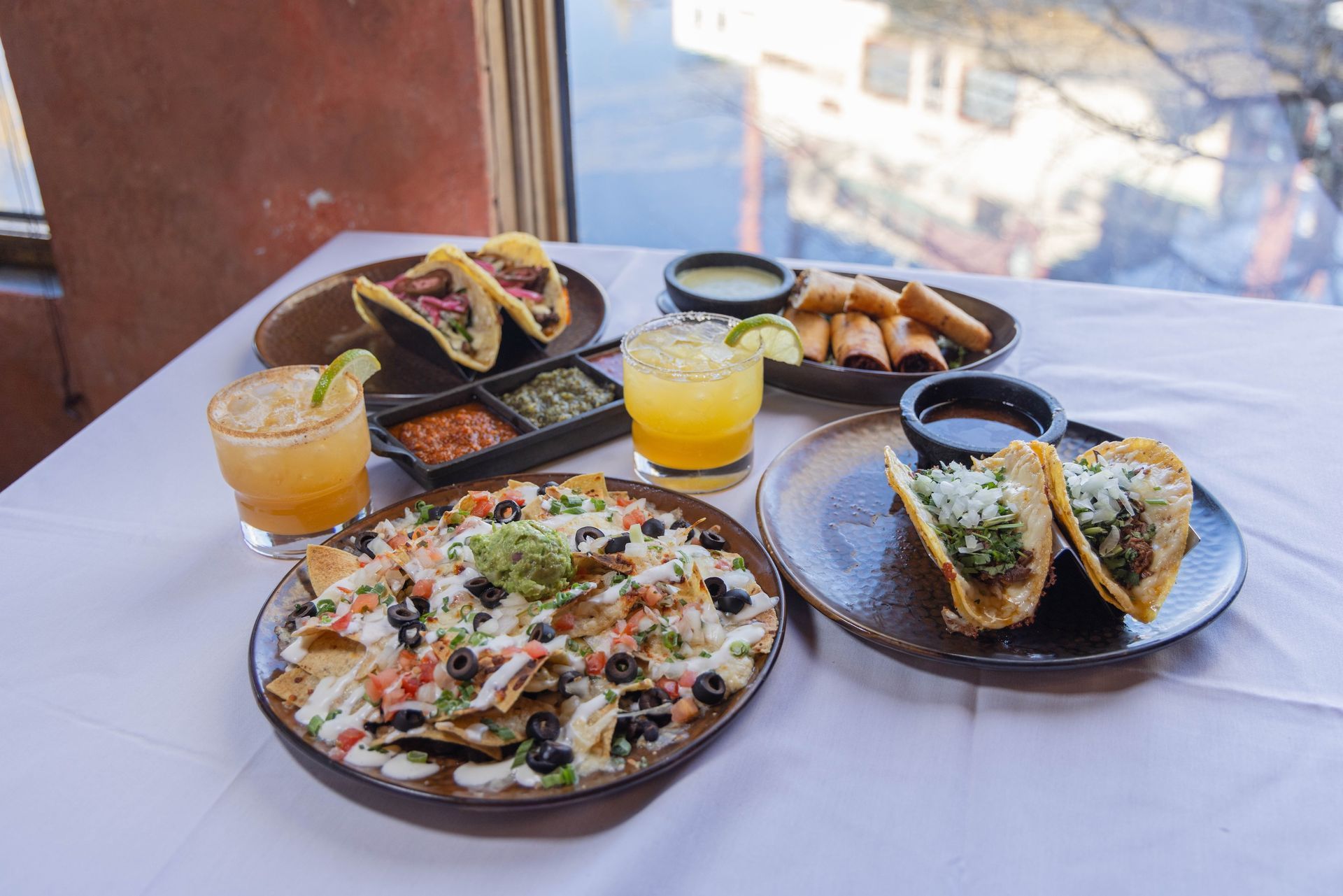
At Mi Casa Mexican Restaurant & Cantina in Breckenridge, we make every taco from scratch, from the braised meats to the salsas. Our six scratch-made tacos cover several styles in this guide. They are birria with consommé, chicken tinga, Baja shrimp, seared snapper, ancho grilled steak and vegetarian cauliflower al pastor.
From 2 to 5 pm daily, our two-for-$8 happy hour street tacos rotate through cauliflower al pastor, Baja shrimp, tinga and steak. Younger guests can order Pee Wee Tacos on the kids menu, two crisp corn shells with chicken or ground beef. Visiting the area? Here is a local guide to Breckenridge restaurants.