
Salsa Verde Recipe: How to Make It at Home
Salsa verde is a Mexican green sauce made from tomatillos and green chile peppers. The name means "green sauce" in Spanish.
To make it, simmer husked tomatillos with serrano chiles, onion and garlic until soft. Then blend them with cilantro and salt. It takes about 20 minutes and makes a tangy, bright sauce for chips, tacos and enchiladas.
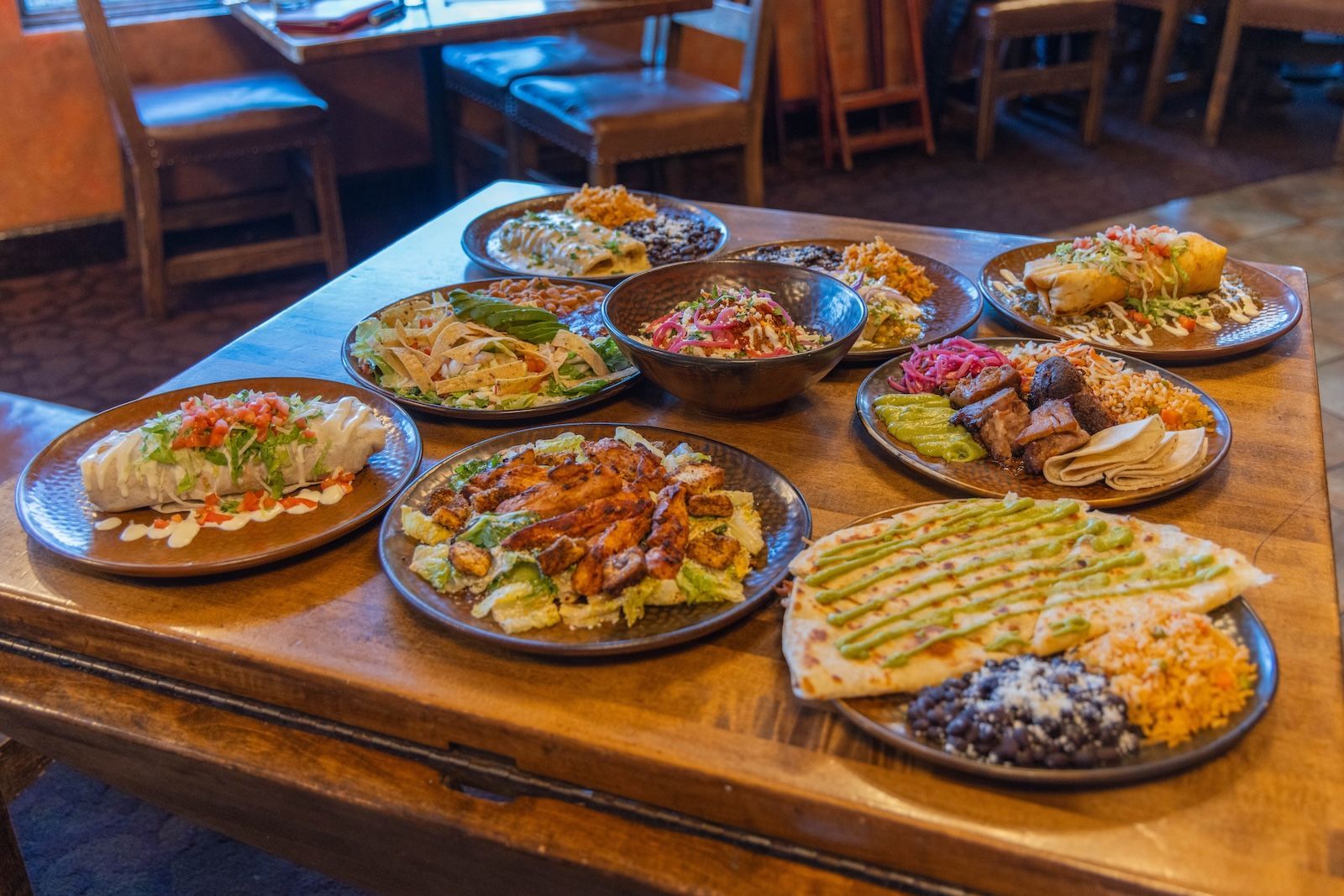
This post covers what salsa verde is, what tomatillos are and how to choose them, and the ingredients. It gives three methods (boiled, roasted and raw), an avocado version, tips, high-altitude notes, storage and ways to use it. At Mi Casa in Breckenridge, you can order tomatillo salsas on the Mi Casa menu on enchiladas, tacos and quesadillas.
What Is Salsa Verde?
Mexican salsa verde is a spicy green sauce made from tomatillos and green chile peppers. It is one of the core salsas of Mexican cooking.
Cooks make it in several ways. The ingredients can be cooked and then ground, roasted on a comal and then ground, or ground raw. Some versions cook only part of the ingredients. A molcajete or a blender does the grinding.
Cooking or roasting the tomatillos makes the sauce sweeter and rounder. A raw salsa verde tastes sharper and more herbal.
Salsa verde is a dip, a table sauce and a cooking sauce. It is served with dishes such as enchiladas, chilaquiles and chicharrón, or fried pork rinds.
Do not confuse it with Italian salsa verde. That is a separate herb sauce with no tomatillos at all.
For the red side of the family, see a roasted tomato salsa roja. For how chunky pico de gallo fits in, read raw pico versus blended salsa.
What Are Tomatillos?
A tomatillo is a small, green, tart fruit wrapped in a papery husk. Its scientific name is Physalis philadelphica, and it belongs to the nightshade family, like the tomato.
The name comes from the Nahuatl word tomatl. The plant was domesticated in Mexico before Europeans arrived. It was important to the Maya and the Aztecs, more important there than the tomato.
The husk grows from the flower's calyx and is not eaten. Under it, many tomatillos carry a sticky, sappy coating. One of the plant's older species names, ixocarpa, means "slimy fruit."
Tomatillos picked green taste tart and give salsa verde its color. Purple and red-ripening kinds are slightly sweet and are mostly used in jams and preserves.
How to Choose and Prep Tomatillos
Look for firm tomatillos that fill their husks. Growers harvest them when the fruit fills the husk, and a fresh, green husk is a mark of quality.
Skip tomatillos that are shriveled, soft or yellow. Yellowing fruit tastes sweeter and less tangy.
To prep them:
- Peel off the husks and throw them away.
- Rinse the tomatillos under warm water and rub off the sticky coating.
- Pull off the stem and cut out any hard core.
Ripe tomatillos keep in the fridge for about two weeks. They last longer husked and sealed in plastic bags. You can also freeze them whole or sliced.
Salsa Verde Ingredients
This recipe makes about 2 1/2 cups.
- 1 pound tomatillos (about 8 to 10 medium), husked and rinsed
- 1 to 2 serrano chiles, stemmed (or 1 to 2 jalapeños for less heat)
- 1/4 medium white onion, cut in two pieces
- 1 to 2 garlic cloves, peeled
- 1/2 cup loosely packed fresh cilantro, leaves and tender stems
- 1 teaspoon kosher salt, plus more to taste
- 1 to 2 teaspoons fresh lime juice (optional)
- Water, for simmering
Each part has a job. Tomatillos bring the tang and body. Serranos bring the heat, onion and garlic add depth, and cilantro adds the fresh, green finish.
Serranos are the classic chile here. They run 10,000 to 25,000 Scoville heat units, notably hotter than jalapeños. A jalapeño typically runs 4,000 to 8,500.
Equipment
- Medium saucepan
- Slotted spoon
- Blender or food processor
- Rimmed sheet pan and foil, for the roasted method
- Molcajete, for a rustic, hand-ground texture (optional)
- Glass jar with a lid
How to Make Salsa Verde (Boiled Method)
The boiled method, salsa verde cocida, gives a smooth, balanced salsa. It is the easiest place to start.
- Prep the vegetables. Husk and rinse the tomatillos. Stem the serranos. Peel the garlic.
- Cover with water. Put the tomatillos, serranos, onion and garlic in a saucepan. Add water to just cover them.
- Simmer. Bring the water to a boil, then lower the heat to a gentle simmer. Cook for 8 to 12 minutes, until the tomatillos turn olive green and soften. Do not let them burst.
- Drain, saving some water. Lift the vegetables out with a slotted spoon. Save 1/2 cup of the cooking water.
- Blend. Put the vegetables in the blender with the cilantro, salt and 1/4 cup of the saved water. Blend until fairly smooth, about 30 seconds.
- Adjust. Add more water for a thinner salsa. Add salt and a squeeze of lime to taste.
- Cool. Let it cool to room temperature. It thickens a little as it cools.
Total time is about 20 minutes. The recipe makes about 2 1/2 cups.
For a richer, darker table salsa, fry it once more. Heat 1 tablespoon of oil in a skillet, pour in the salsa and simmer for 5 minutes. Cooking the sauce again in a little oil is a traditional step.
Roasted and Raw Salsa Verde
The same ingredients make two other styles. Each one changes the flavor.
Roasted Salsa Verde (Asada)
Roasting gives a sweeter, smoky salsa with charred flecks. Mexican cooks roast the vegetables on a comal; a broiler works at home.
- Set an oven rack about 6 inches below the broiler. Line a sheet pan with foil.
- Spread the tomatillos, serranos, onion and unpeeled garlic on the pan.
- Broil for 5 to 7 minutes, until blackened in spots. Flip and broil 4 to 6 minutes more, until the tomatillos slump and release juice.
- Peel the garlic. Blend everything with the pan juices, cilantro and salt.
On the stove, use a dry cast-iron skillet over medium-high heat. Turn the vegetables until charred on all sides, about 10 to 12 minutes.
Raw Salsa Verde (Cruda)
Raw salsa verde is the fastest version. It tastes tart, grassy and very fresh.
- Quarter the raw tomatillos.
- Roughly chop the serrano, onion and garlic.
- Blend everything with the cilantro, salt and 2 tablespoons of water until smooth.
Raw salsa verde is sharper than the cooked kinds. Add a pinch of sugar if the tomatillos taste too sour.
Avocado Salsa Verde
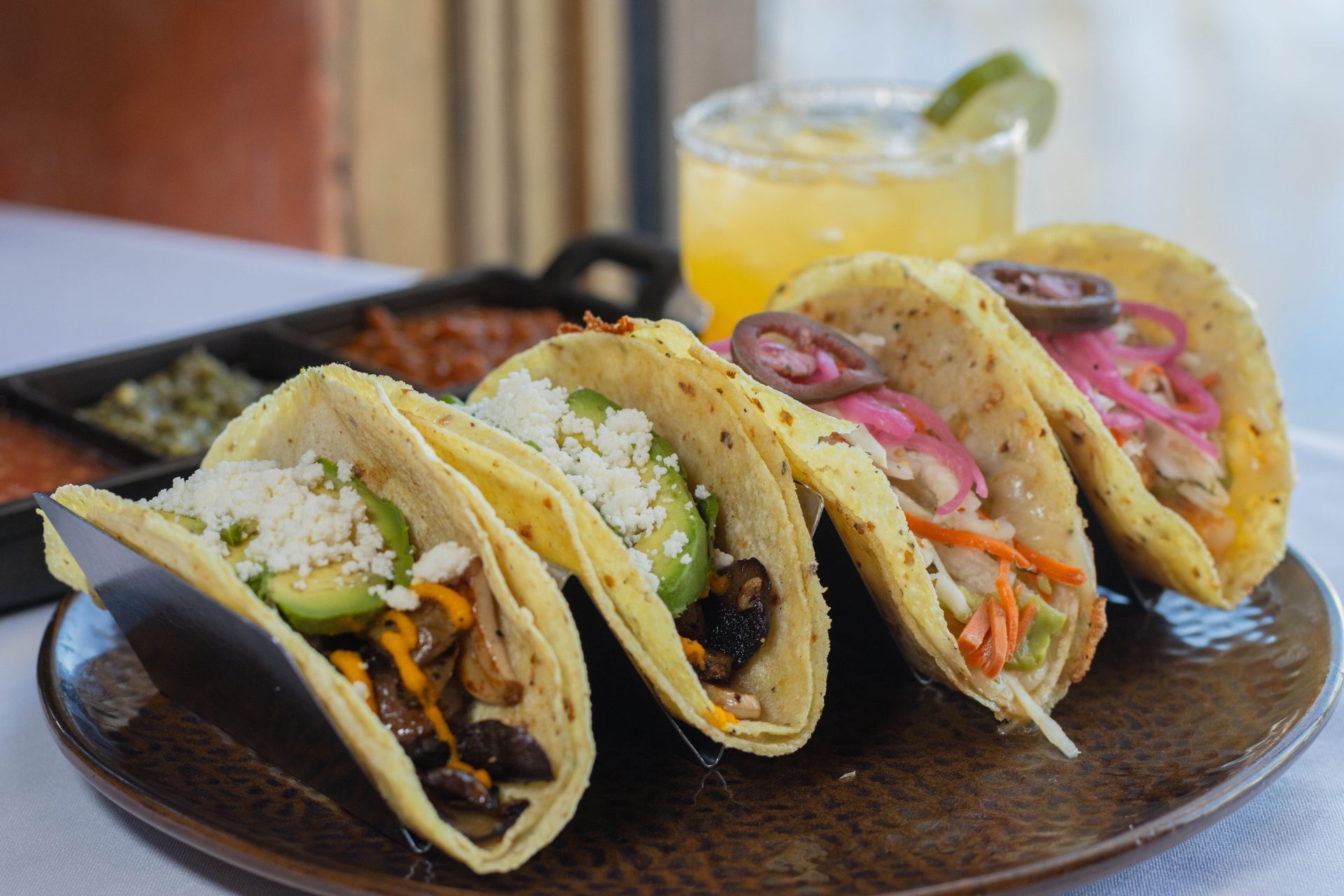
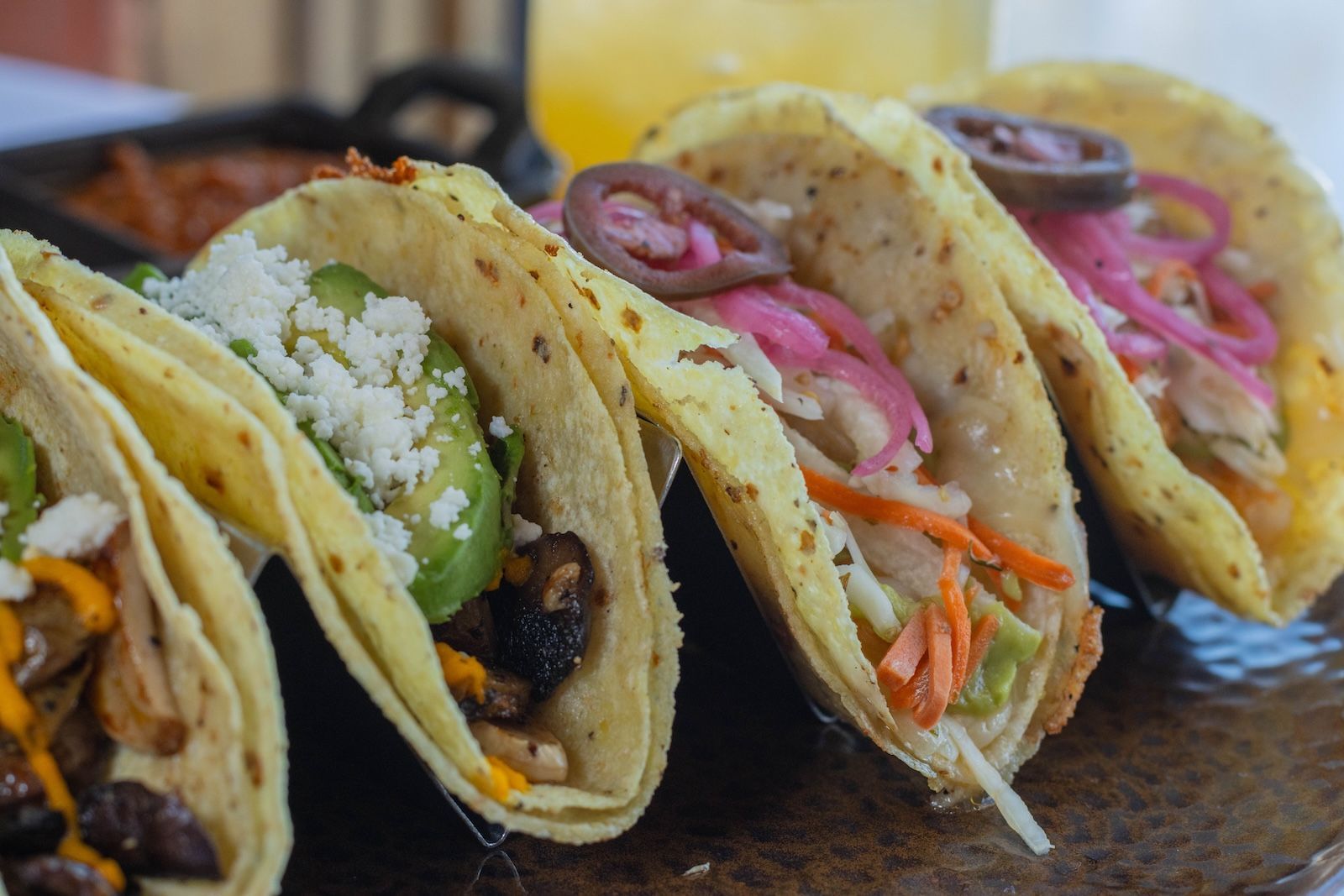
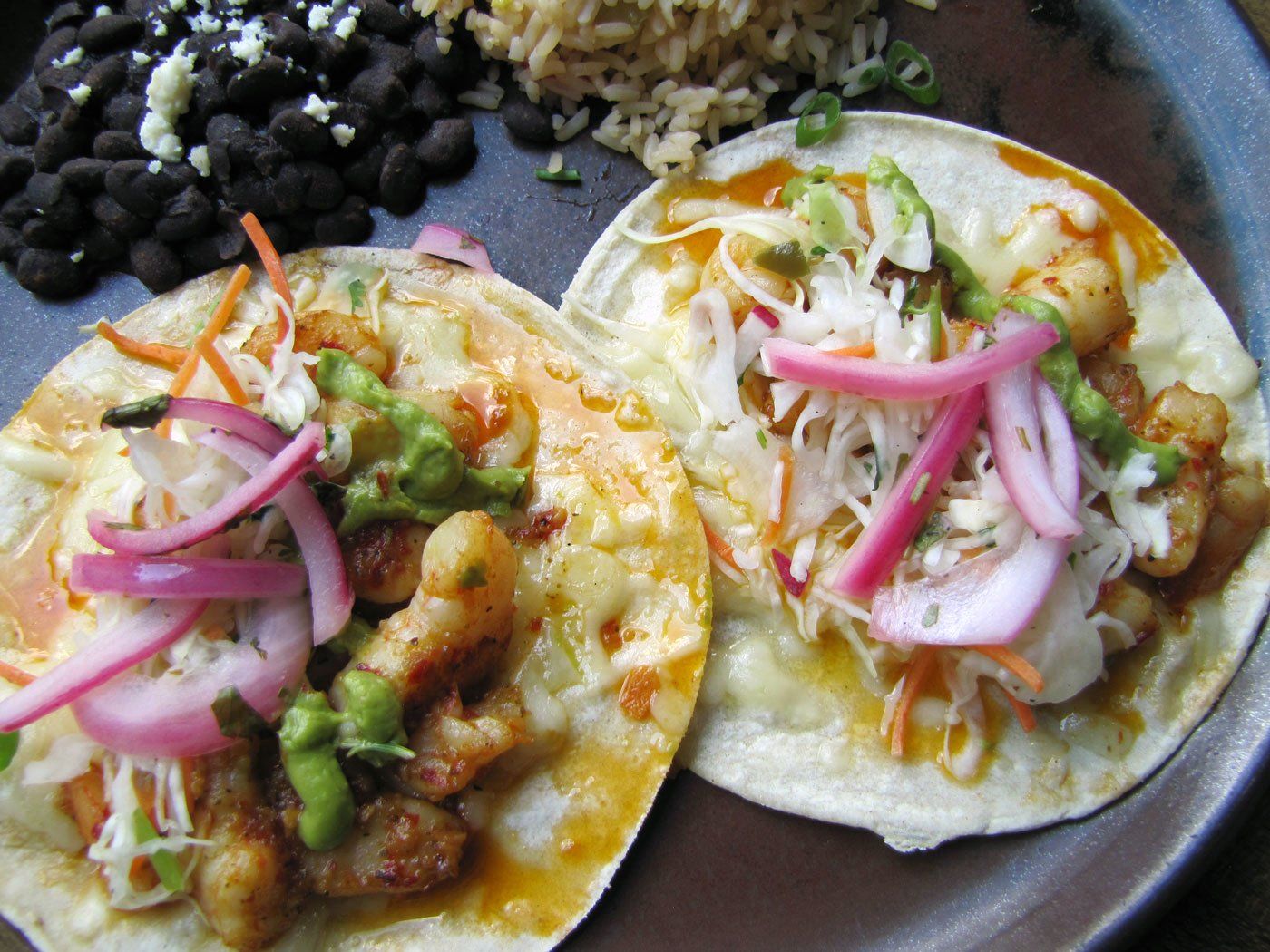
Avocado salsa verde is a creamy, pale green salsa of tomatillos blended with avocado. Mi Casa serves a tomatillo avocado salsa on its Baja Shrimp tacos and Chicken Quesadilla.
To make it, cool a batch of boiled or raw salsa verde. Blend it with 1 ripe avocado until smooth. Add salt and lime to taste.
The avocado mellows the heat and makes the salsa thick enough for dipping. It also browns faster, so serve it the same day. For a chunky avocado dip instead, make a classic guacamole with red onion.
Tips for the Best Salsa Verde
- Do not overcook the tomatillos. Pull them as soon as they turn olive green. Burst tomatillos make a watery, dull salsa.
- Add cilantro at the end. Blend it in after cooking. Cooked cilantro loses its fresh flavor and color.
- Start with one chile. Blend, taste and add the second chile only if needed. Heat varies from chile to chile.
- Control the heat inside the chile. In a jalapeño, most of the heat sits in the pale membrane around the seeds. Remove it for a milder salsa.
- Salt well. Tomatillos are tart, and salt balances the acid. Season, rest a few minutes, then taste again.
- Mind the hot blender. Let cooked vegetables cool for 5 minutes. Blend with the lid vented and covered by a towel.
- Use the cooking water. It thins the salsa without watering down the flavor.
High-Altitude Notes
The boiled method needs a little more time in the mountains. Water boils at a lower temperature as elevation rises.
Colorado State University Extension lists a boiling point of about 193°F at 10,000 feet, against 212°F at sea level. Breckenridge sits at about 9,600 feet, close to that lower figure. Food that is boiled or simmered cooks at that lower temperature, so it takes longer.
In practice, tomatillos may need 12 to 15 minutes to soften instead of 8 to 10. Judge by color and texture, not the clock.
Water also evaporates faster in dry mountain air. Keep the pot partly covered, and save extra cooking water to thin the salsa.
The roasted method needs no change. The same extension guide notes that oven temperatures are not affected by elevation.
Storage, Freezing and Food Safety
Salsa verde keeps better than fresh tomato salsa, because the cooked tomatillos hold their texture.
- Room temperature. Do not leave it out more than 2 hours, or 1 hour above 90°F. Keep it cold at 40°F or below.
- Fridge. Refrigerate within 2 hours in a covered jar. Label it and use it within 3 to 4 days.
- Freezer. Cooked salsa verde freezes well. Freeze it in small containers or ice cube trays, and use it within 3 to 4 months.
- Thawing. Thaw it in the fridge and stir well. A quick blend brings back a smooth texture.
- Reheating. When you heat it as a sauce for enchiladas, bring it to a simmer. Reheat leftovers made with it to at least 165°F.
Avocado salsa verde does not freeze well. Make it fresh.
Home canning is a separate job. Use only a tested recipe from a source such as So Easy to Preserve. Extension guidance on tested salsas warns that changing the proportions, or adding other vegetables, can make a salsa unsafe to can.
How to Use Salsa Verde
Salsa verde is a workhorse sauce. Here are the best ways to use a batch:
- As a dip. Serve it with warm corn tortilla chips.
- On tacos. It cuts the richness of grilled carne asada tacos and carnitas.
- In enchiladas. Simmer it with a little stock for chicken enchiladas verdes.
- In chilaquiles. Toss fried tortilla pieces in hot salsa for green chilaquiles for breakfast.
- In tamales. Shred pork or chicken into it for a tangy filling, or spoon it over steamed homemade tamales.
- With eggs. Spoon it over fried eggs or scrambled eggs.
- As a braise. Simmer pork shoulder or chicken thighs in salsa verde until tender.
Frequently Asked Questions
What is salsa verde made of?
Mexican salsa verde is made of tomatillos and green chiles, usually serrano or jalapeño. Most recipes add onion, garlic, cilantro and salt.
Is salsa verde spicy?
It ranges from mild to hot, depending on the chile. Serranos make it hotter than jalapeños. Removing the chile membrane tames the heat.
Do you have to cook tomatillos for salsa verde?
No. Raw salsa verde is a traditional style. Cooking or roasting makes the salsa sweeter and smoother, while raw tomatillos taste sharper and more sour.
Why is my salsa verde too sour?
Tomatillos picked early taste sour, and raw ones taste sharpest. Cook or roast them, add a little more salt, or blend in a pinch of sugar or half an avocado.
Can you freeze salsa verde?
Yes, cooked salsa verde freezes well for 3 to 4 months. Thaw it in the fridge and blend it briefly. Avocado salsa verde does not freeze well.
What is the difference between salsa verde and green chile?
Mexican salsa verde is built on tomatillos. The New Mexican green sauce is made mostly from green chiles rather than tomatillos. The two share a color, not a base.
Tomatillo Salsa at Mi Casa
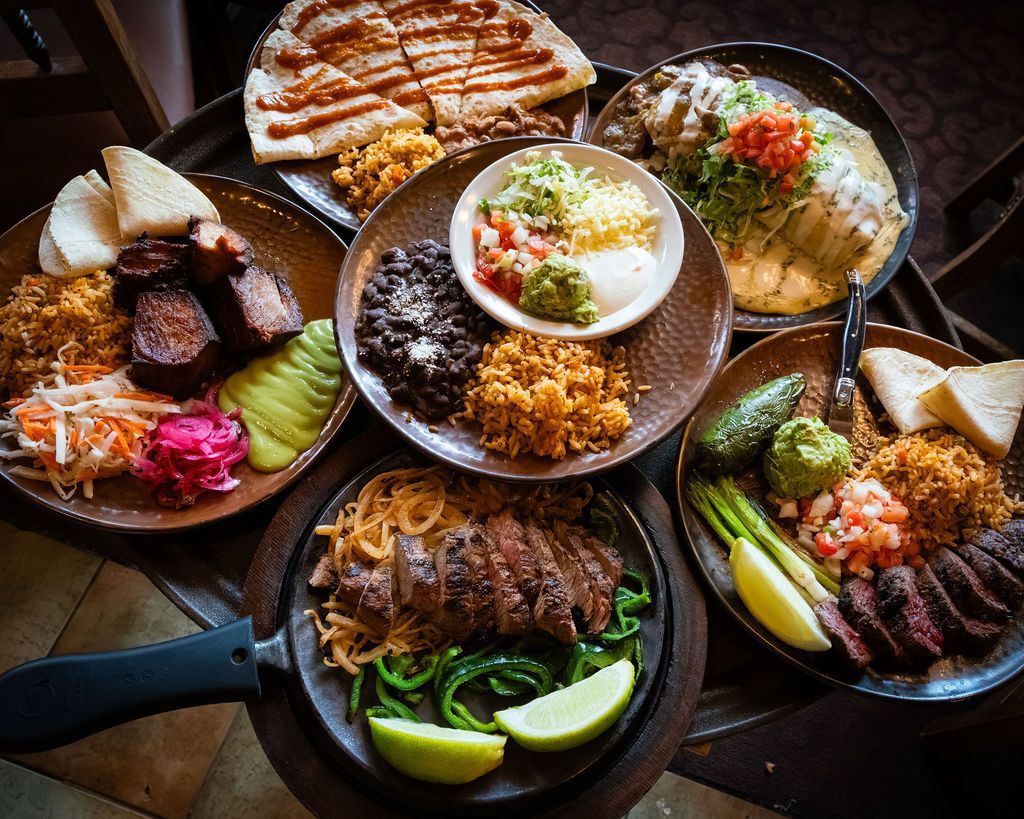
At Mi Casa Mexican Restaurant & Cantina in Breckenridge, tomatillos show up across the menu. The Veggie Enchiladas come with tomatillo salsa verde, crema mexicana and queso fresco. The Sour Cream Enchiladas use a garlic tomatillo sour cream sauce.
Our Baja shrimp tacos with tomatillo avocado salsa pair chile garlic shrimp with cabbage and jicama slaw. For green chile in the New Mexican style, try the Pork Chile Verde with roasted Hatch and Anaheim chiles.
Feeding a group? Our enchilada trays for catering come in salsa roja or tomatillo, with rice and black beans.