Salsa vs Pico de Gallo: What's the Difference?
Salsa is the broad Spanish word for sauce, and in Mexican food it means any table sauce, raw or cooked. Pico de gallo is one specific kind of salsa: a fresh, chunky, raw mix of chopped tomato, onion, chile, cilantro, lime and salt.
The main difference is texture and liquid. Salsa is usually blended or cooked and runs wetter. Pico de gallo is always chopped by hand, served raw and holds its shape.
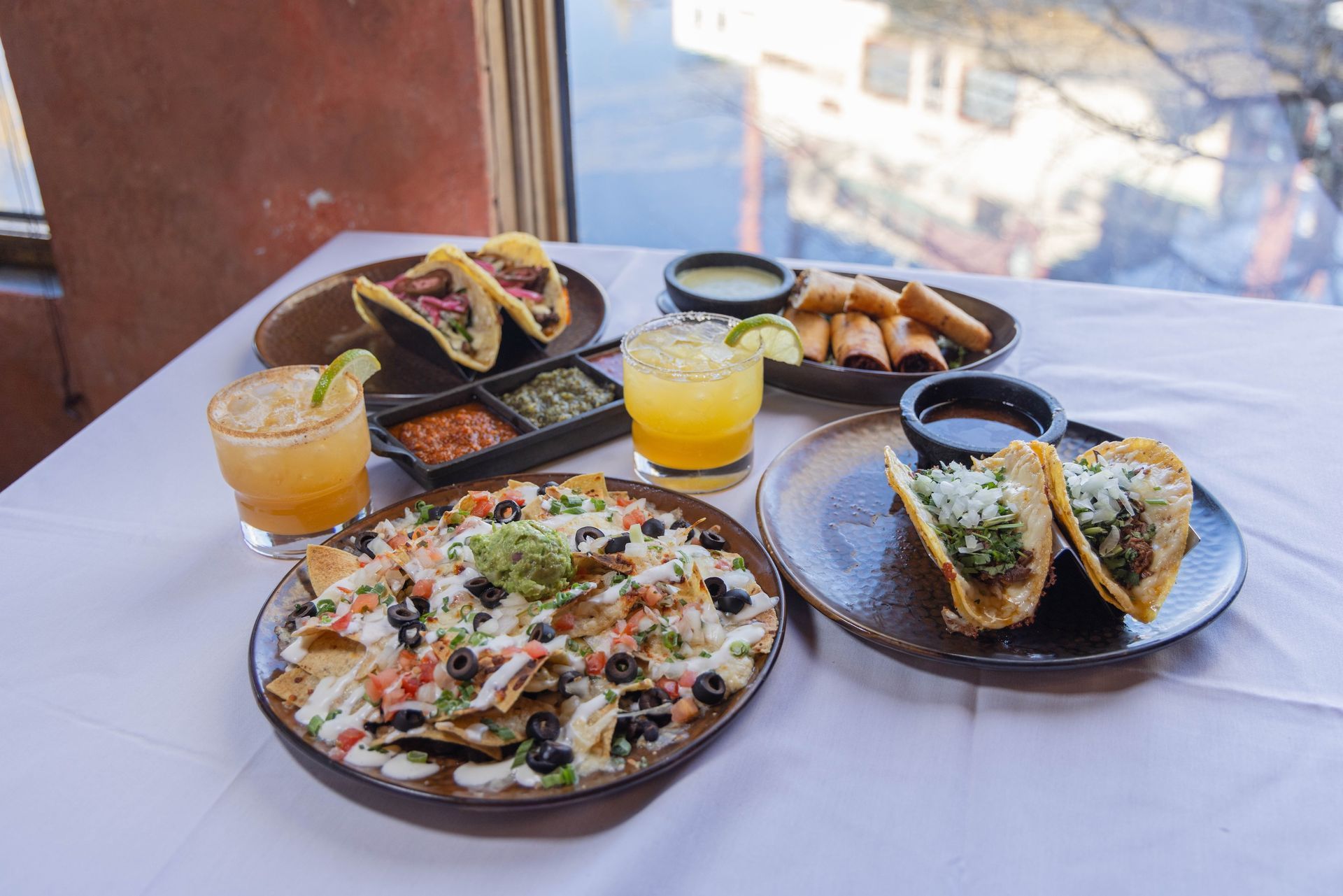
This post defines both, compares them in a table and explains each difference in detail. It also covers how each is made, when to use which, other salsas worth knowing and whether you can swap them. At Mi Casa in Breckenridge, you can order pico de gallo on Mi Casa Nachos. Taste the chunky style next to our blended salsas.
The Short Answer
All pico de gallo is salsa, but not all salsa is pico de gallo.
- Salsa is a whole family of sauces. It can be smooth or chunky, raw or cooked, red or green.
- Pico de gallo is one member of that family. It is chopped, raw and chunky, with much less liquid.
If you can pour it, it is probably a salsa. If you scoop it with a spoon and it stays in a pile, it is probably pico de gallo.
What Is Salsa?
In Spanish, salsa means any kind of sauce. In English, the word refers to the sauces served with Mexican and Mexican-American food, such as tacos.
Salsas can be raw or cooked. They are usually served at room temperature.
The family is large. Salsa roja, or red sauce, is usually made with cooked tomatoes, chile peppers, onion, garlic and cilantro. Salsa verde uses cooked tomatillos and is served with dishes such as chilaquiles and enchiladas.
Traditional salsas were ground in a molcajete, a stone mortar and pestle. Today blenders are common, which is why many table salsas are smooth.
Salsa is also a big seller in the United States. In 1992, US salsa sales passed those of tomato ketchup.
To make the blended red style at home, follow this step-by-step red salsa recipe.
What Is Pico de Gallo?
Pico de gallo is a Mexican condiment, a type of salsa. The traditional recipe is chopped tomato, onion and serrano chile, with salt, lime juice and cilantro. Jalapeños or habaneros sometimes replace the serrano.
It goes by several names. It is also called salsa fresca, "fresh sauce," and salsa cruda, "raw sauce," or simply pico. In Mexico it is normally called salsa mexicana. It is also known as salsa bandera, "flag sauce."
The flag name comes from its colors. Red tomato, white onion and green chile and cilantro are said to match the Mexican flag.
Pico de gallo contains less liquid than other Mexican salsas. That lets it work as a main ingredient in dishes such as tacos and fajitas, not just a sauce on top.
Why Is It Called Pico de Gallo?
Pico de gallo means "rooster's beak." Nobody knows for sure where the name came from, and three theories circulate:
- The chile's shape. Many people in Sonora say the serrano pepper looks like a rooster's beak.
- The way it was eaten. Food writer Sharon Tyler Herbst says people first ate it by pinching pieces between thumb and forefinger. The motion looks like a pecking beak.
- The look of bird feed. Chef Rick Bayless and Deann Groen suggest the chopped mix looks like chicken feed.
Salsa vs Pico de Gallo: Side-by-Side Comparison
- What it is: A broad family of Mexican table sauces (pico de gallo: One specific type of salsa)
- Main base: Tomatoes, tomatillos, dried or fresh chiles, sometimes fruit or seeds (pico de gallo: Fresh tomato)
- Texture: Smooth to chunky, often blended (pico de gallo: Chunky, chopped by hand)
- Liquid: More liquid, often pourable (pico de gallo: Little liquid, holds its shape)
- Raw or cooked: Either (pico de gallo: Always raw)
- Tools: Blender, food processor, molcajete, stove or broiler (pico de gallo: Knife and cutting board)
- Other names: Salsa roja, salsa verde, salsa cruda and many more (pico de gallo: Salsa fresca, salsa cruda, salsa mexicana, salsa bandera)
- Best use: Dip, table sauce, cooking sauce (pico de gallo: Topping, filling, fresh side)
- Shelf life: Cooked kinds keep a few days (pico de gallo: Best the day it is made)
Key Differences Explained
The table gives the short version. Here is what each difference means in the kitchen.
Ingredients
Pico de gallo has a short, fixed list: tomato, onion, serrano or jalapeño, cilantro, lime and salt. Every piece is fresh.
Salsa has no fixed list. A red salsa can use fresh, roasted or canned tomatoes. A green salsa swaps tomatoes for tomatillos, and you can make green tomatillo salsa from scratch in about 20 minutes. Other salsas build on dried chiles, seeds or citrus fruit.
Texture and Liquid
This is the difference you notice first. Pico de gallo is diced into small, distinct pieces, and it carries only the juice the tomatoes release.
Most table salsas are blended, so the tomato juice becomes part of the sauce. That makes salsa thinner and better for dipping. Pico de gallo is better for spooning on top of food, because it does not soak through a tortilla.
Raw vs Cooked
Pico de gallo is always raw. That is part of its definition, and why it is also called salsa cruda and salsa fresca.
Salsa can go either way. Raw blended salsas taste bright. Cooked and roasted salsas, such as salsa roja, taste deeper and sweeter. Many salsa verde recipes cook the tomatillos first, while some grind them raw.
Taste
Pico de gallo tastes clean and crisp. Each bite has a separate crunch of onion, a burst of tomato and a hit of chile.
Salsa tastes more blended and even. Cooking, roasting or dried chiles can add smoke, sweetness and depth that pico de gallo does not have.
How Long Each One Keeps
Pico de gallo is best the day it is made. As it sits, the salt pulls water from the tomatoes, and the crisp pieces go soft.
Cooked salsas hold up better. Either way, treat both as perishable. Do not leave them out more than 2 hours, or 1 hour above 90°F. Refrigerate leftovers within 2 hours and use them within 3 to 4 days.
How Each One Is Made
Pico de gallo takes a knife, a board and about 15 minutes. A typical batch for 4 people:
- Dice 4 Roma tomatoes into 1/4-inch pieces. Scoop out the wettest seeds if the tomatoes are very juicy.
- Finely dice 1/2 white onion.
- Mince 1 serrano chile. Remove the membrane for less heat.
- Chop 1/3 cup of fresh cilantro.
- Toss everything with 1 to 2 tablespoons of lime juice and 1/2 teaspoon of salt. Rest 10 minutes, then taste and serve.
Table salsa usually takes a blender. Ripe tomatoes, onion, chile, garlic, cilantro, lime and salt are pulsed until evenly chopped. For a smoky version, the vegetables are broiled or charred first, then blended.
The heat level works the same way in both. A serrano is notably hotter than a jalapeño, and most of a jalapeño's heat sits in the pale membrane around the seeds.
When to Use Salsa and When to Use Pico de Gallo
Choose by the job you need done.
Use salsa when you want:
- A dip for tortilla chips
- A sauce to spoon over eggs, rice or grilled meat
- A cooking sauce for chilaquiles or enchiladas
- A smooth sauce that soaks into a dish
Use pico de gallo when you want:
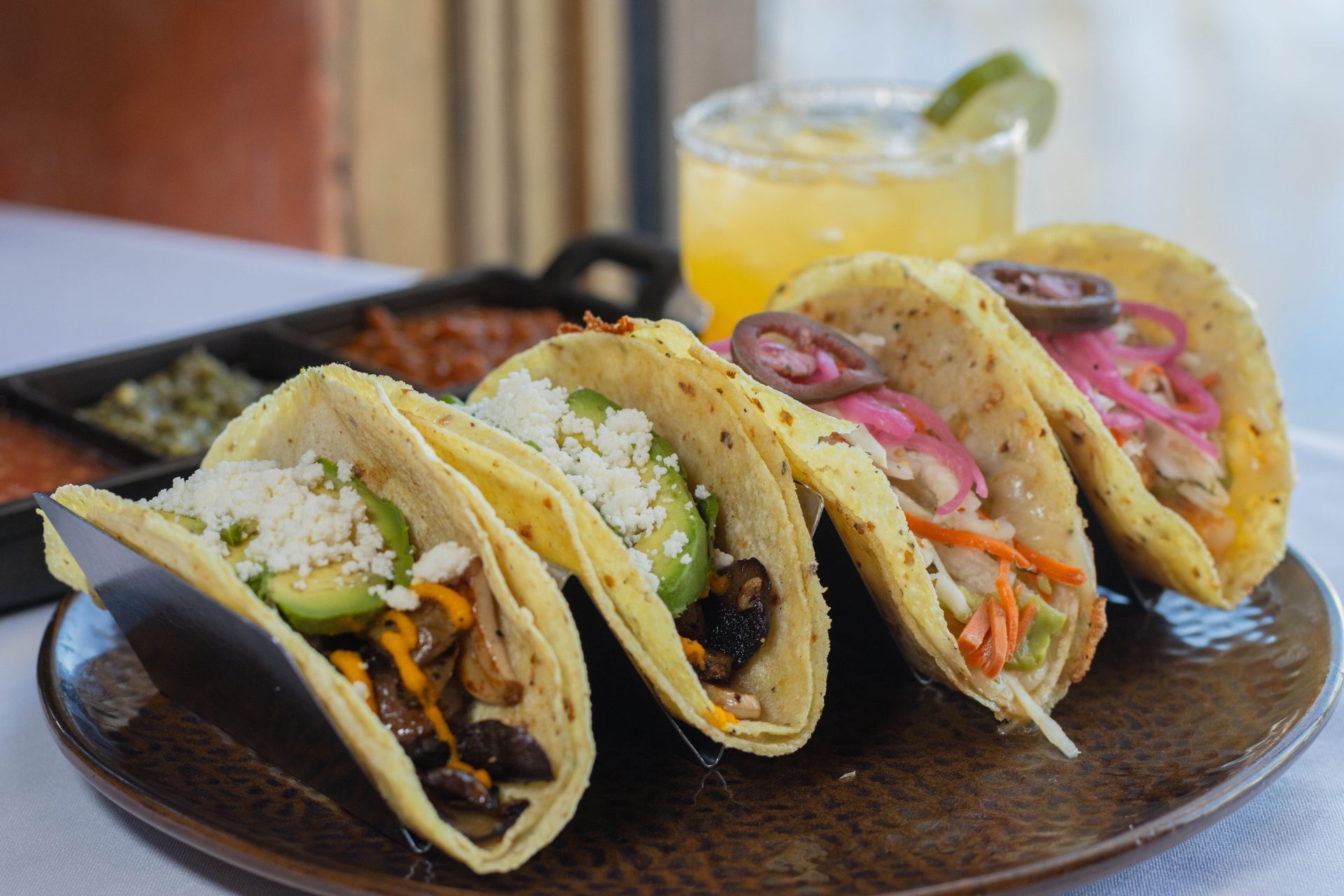
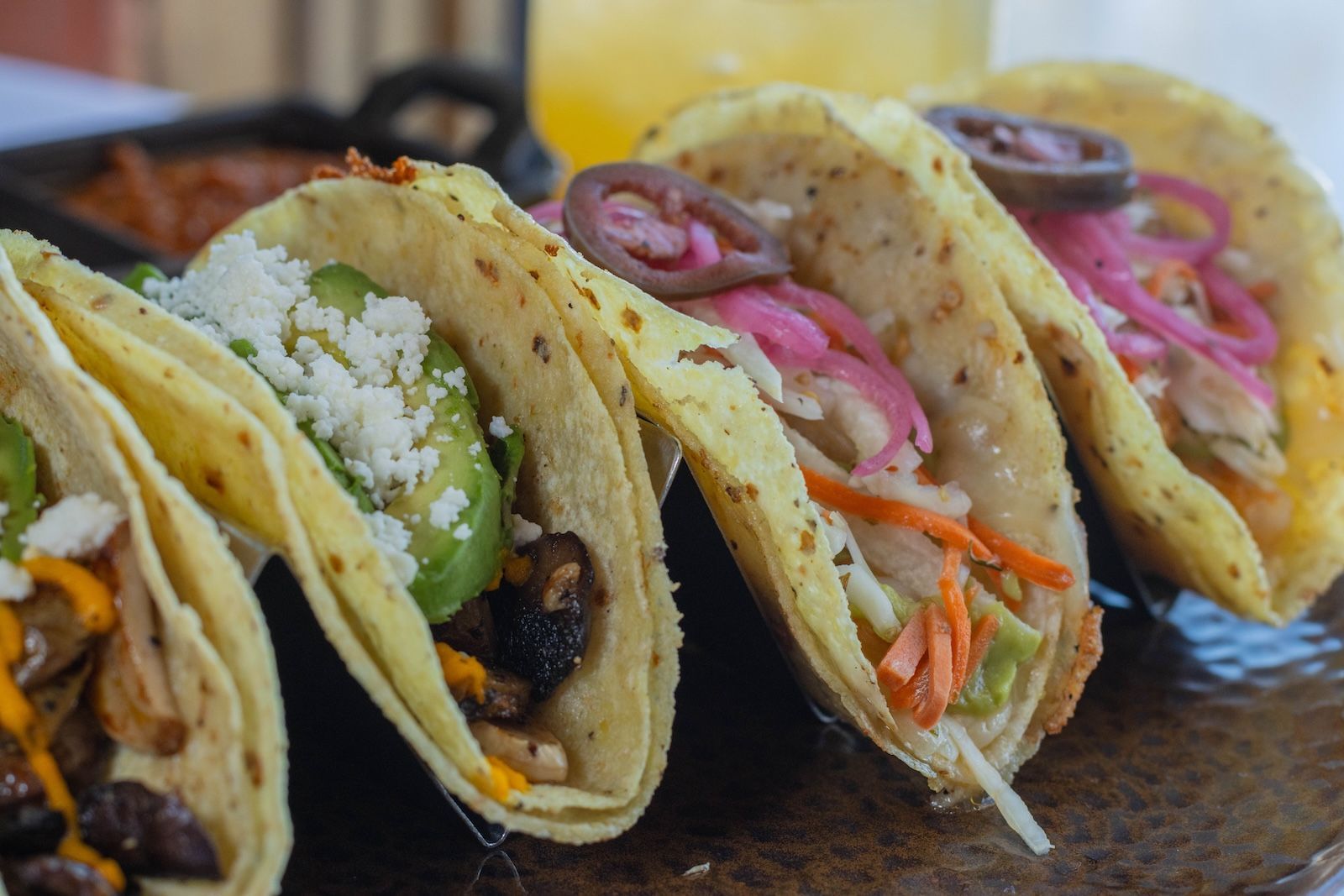
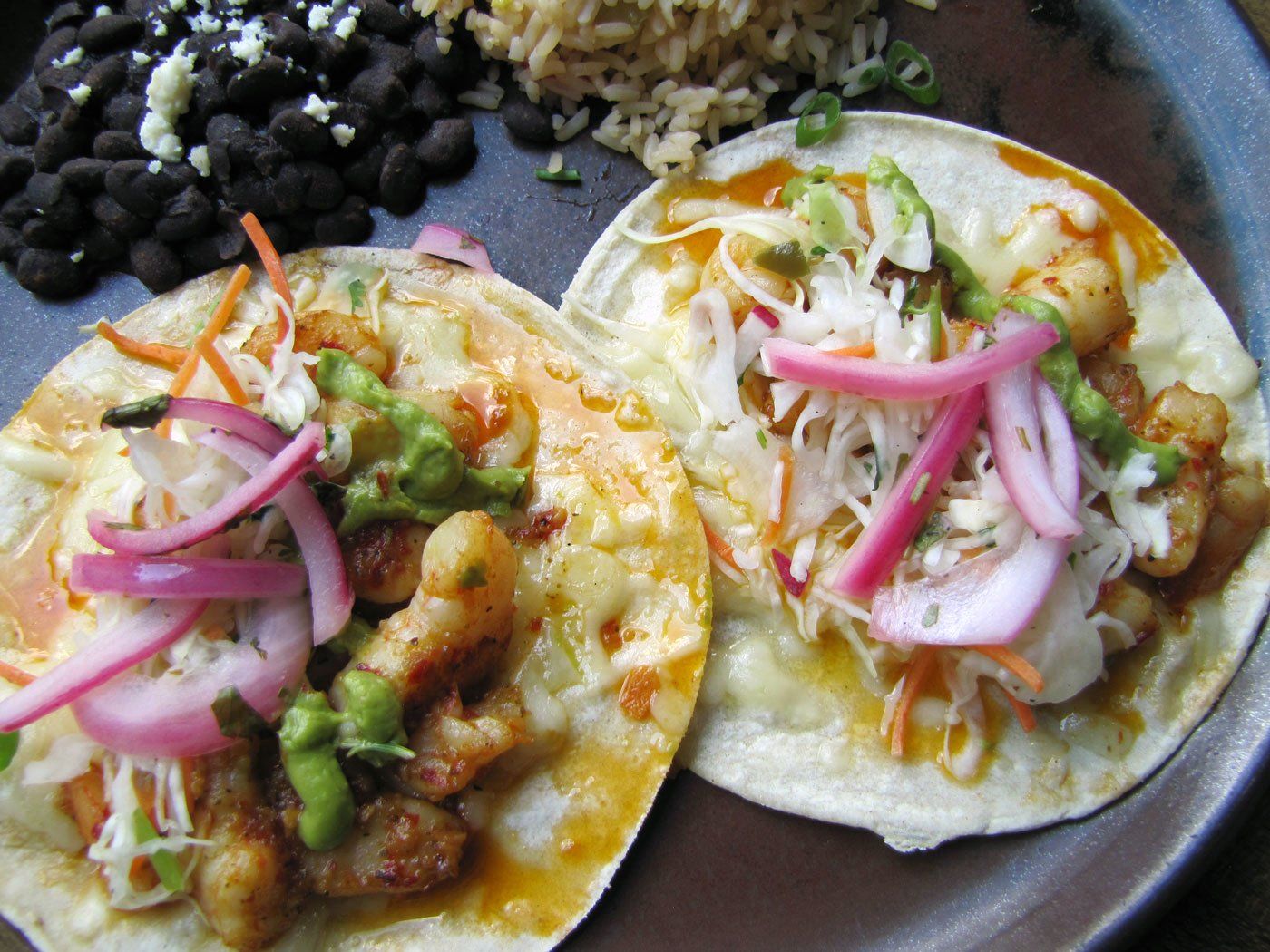
- A fresh topping for tacos, nachos and tostadas
- A crunchy filling for stuffed homemade burritos
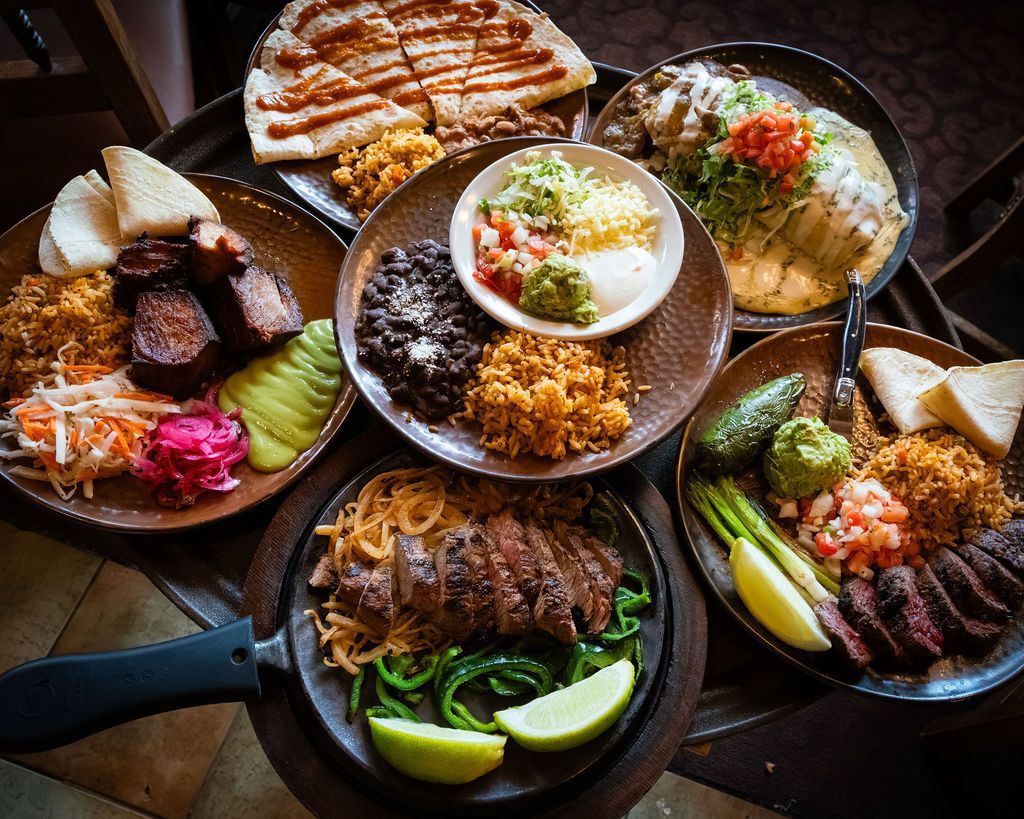
- A bright side for sizzling skillet fajitas
- A topping that will not make tortillas soggy
- A mix-in for avocado, as in guacamole with lime and red onion
Many tables serve both. A blended salsa goes with the chips, and pico de gallo goes on the food. For more ideas on what to put out with a taco spread, see more taco toppings and sides.
Other Salsas Worth Knowing
Pico de gallo and red table salsa are only the start. Here are a few more in the family:
- Salsa verde. A green sauce of tomatillos and green chiles, cooked, roasted or raw.
- Salsa roja. A red sauce of cooked tomatoes, chiles, onion, garlic and cilantro.
- Salsa macha. A salsa built on seeds and dried peppers rather than fresh tomatoes.
- Fruit pico de gallo. In many parts of Mexico, "pico de gallo" also names fresh mixes of fruit or vegetables. They use ingredients such as jícama, cucumber, orange, papaya or mild chiles, tossed with lime and sprinkled with salty chili powder.
- Salsas beyond Mexico. Peru has salsa criolla and Chile has pebre, two salsas of their own.
These salsas show up across everyday Mexican food, from tacos to tamales.
Can You Swap One for the Other?
Sometimes. Pico de gallo can stand in for salsa as a dip if you do not mind the chunks. It can also be used like the more liquid salsas.
Salsa is a weaker swap for pico de gallo. Its liquid soaks into tortillas and makes tacos soggy, and it lacks the crunch.
To turn pico de gallo into salsa, pulse it a few times in a blender. Add a splash of water or tomato juice if it is too thick. There is no easy way back, so make pico de gallo first if you want both.
Frequently Asked Questions
Is pico de gallo a salsa?
Yes. Pico de gallo is a type of salsa. It is the fresh, chopped, raw kind, with less liquid than most.
What is salsa fresca?
Salsa fresca means "fresh sauce." It is another name for pico de gallo, along with salsa cruda and, in Mexico, salsa mexicana. The name also covers fresh salsas made with tomatoes and hot peppers.
Is pico de gallo spicier than salsa?
Not by rule. Heat depends on the chile and how much of its membrane goes in. Pico de gallo made with serrano can be hotter than a mild blended salsa.
Which is better for tacos?
Pico de gallo is usually better as a taco topping, because it adds crunch and little liquid. Thinner salsas work well too, spooned on just before eating.
Why is pico de gallo called salsa bandera?
Bandera means "flag." Its red tomato, white onion and green chile and cilantro are said to match the colors of the Mexican flag.
Do salsa and pico de gallo use the same ingredients?
Often, yes. Both can use tomato, onion, chile, cilantro and lime. The difference is in how they are cut, whether they are cooked and how much liquid they carry.
Salsa and Pico de Gallo at Mi Casa
At Mi Casa Mexican Restaurant & Cantina in Breckenridge, you can taste both styles in one visit. Chips and salsa come free with every table, and our salsas are made from scratch in our kitchen.
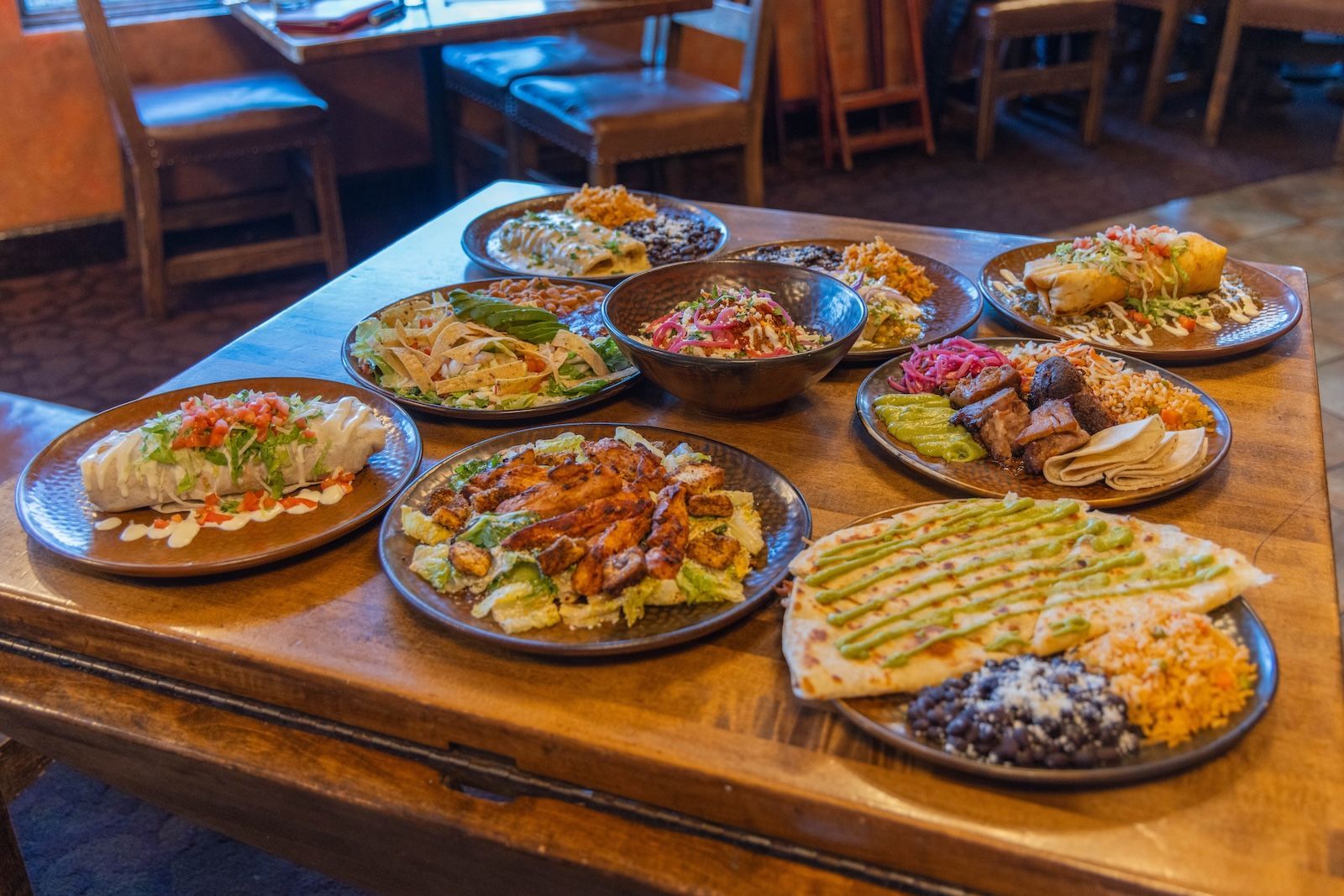
Pico de gallo tops our Mi Casa Nachos, the Taco Salad and the Chicken Quesadilla. It also fills the Steak Burrito with ancho grilled steak, Oaxacan rice and black beans.
Stop by the cantina happy hour from 2 to 5 pm daily. For a party, our catering fajitas with pico de gallo come with guacamole, sour cream, shredded cheese, rice and black beans.