Mole Sauce: What It Is and How to Make It
Mole is a traditional Mexican sauce made from dried chile peppers ground with nuts, seeds, fruit and spices. Some versions add chocolate, but many do not.
It is rich, layered and usually dark red or brown. You make it by toasting the ingredients, blending them into a paste and simmering that paste in broth until it is thick and smooth. It is always served over something, most often chicken or turkey.
This guide covers what mole is, where it comes from, what goes in it and the main regional types. It then walks through a mole poblano style recipe you can make at home, with altitude notes, serving ideas and storage. Mole is not on our menu, but the same dried chiles run through the scratch kitchen menu at Mi Casa in Breckenridge.
What Is Mole?
Mole is a family of Mexican sauces and marinades, not a single recipe. Every mole starts with one or more kinds of chile, and most also contain nuts, fruit and spices such as black pepper, cinnamon or cumin.
The best-known moles come from the states of Puebla and Oaxaca. Mole poblano, a dark red-brown sauce traditionally served over turkey, is often called the national dish of Mexico.
Mole is never eaten on its own. It is a sauce for meat, enchiladas, tamales or rice.
Where Does Mole Come From?
Mole comes from central and southern Mexico. Both Puebla and Oaxaca claim it as their own.
The Word Mole
The word mole comes from the Nahuatl word mōlli, which means sauce or something ground. In Spanish it is said in two syllables, MOH-leh.
Because mole already means sauce, "mole sauce" is a little redundant. English menus sometimes spell it "molé" to show the second syllable is spoken.
Puebla, Oaxaca and the Convent Legend
The most famous origin story comes from Puebla. Nuns at the Convent of Santa Clara are said to have made the sauce for a visiting archbishop from the few ingredients they had, including chiles, nuts, spices, old bread and a little chocolate.
Another version credits a friar named Fray Pascual, who supposedly spilled spices into a pot of chicken. Some tellings replace the archbishop with the viceroy Juan de Palafox y Mendoza. These are legends, not documented history.
Oaxaca has its own deep tradition. It has been called "the land of the seven moles."
What Is Mole Made Of?
A mole is built from ingredient families. Recipes differ, but most draw on the same groups.
- Dried chiles: Ancho, mulato, pasilla, chipotle (what it adds: Color, body, fruit and smoke)
- Nuts and seeds: Almonds, peanuts, sesame, pumpkin seeds (what it adds: Thickness and richness)
- Dried fruit: Raisins, prunes, plantain (what it adds: Sweetness to balance the chiles)
- Thickeners: Stale tortilla, bread (what it adds: Body and a smooth texture)
- Aromatics: Tomato, tomatillo, onion, garlic (what it adds: Acidity and depth)
- Spices: Cinnamon, clove, black pepper, cumin, anise (what it adds: Warmth)
- Chocolate (optional): Mexican tablet chocolate (what it adds: Roundness and a dark color)
- Fat and liquid: Lard or oil, chicken broth (what it adds: The cooking base)
Mole poblano averages about 20 ingredients. Mole almendrado has about 26, and some Oaxacan moles have more than 30.
The chiles do most of the work. Central Mexican and Oaxacan moles usually combine two or more of ancho, pasilla, mulato and chipotle. Ancho is simply a dried poblano, the same chile used for a roasted poblano chile relleno.
Types of Mole
There are many moles, and each region has its own. These are the ones you are most likely to meet.
- Mole poblano: Dark red-brown (key ingredients and notes: Several dried chiles, nuts, spices and some chocolate; traditionally over turkey)
- Mole negro: Black (key ingredients and notes: Charred ingredients and more chocolate than other moles)
- Mole rojo: Red (key ingredients and notes: Dried chiles, spices, nuts and seeds, sometimes fruit or chocolate)
- Mole verde: Green (key ingredients and notes: Mainly pumpkin seeds and green chile; served with chicken or pork)
- Mole amarillo: Yellow (key ingredients and notes: One of the Oaxacan seven moles)
- Pipián: Green or red (key ingredients and notes: Mostly ground squash seeds)
- Mole almendrado: Red-brown (key ingredients and notes: Almonds; the signature mole of San Pedro Atocpan)
- Mole rosa: Pink (key ingredients and notes: Very mild, from Taxco, Guerrero)
- Chimole: Black (key ingredients and notes: Common in Yucatán and Belize, nicknamed "Black Dinner")
- Huaxmole: Red, soupy (key ingredients and notes: A thinner, brothy mole, often served over goat)
The Oaxacan list also includes chichilo, colorado, estofado and manchamantel. Some critics doubt that manchamantel, a chicken and fruit stew, is a true mole.
Mole de olla is a beef and vegetable stew. Despite the name, it is not a mole in the classic sense.
Traditional Mole Recipe (Mole Poblano Style)
This recipe makes about 6 cups of mole, enough for 3 pounds of chicken and leftovers. It takes about 2 1/2 hours, much of it hands-off simmering. Traditional moles ground by hand take at least a day; a blender cuts that to an afternoon.
Ingredients
Chiles
- 4 dried ancho chiles
- 3 dried mulato chiles
- 3 dried pasilla chiles
- 1 to 2 dried or canned chipotle chiles
Nuts, seeds, fruit and thickeners
- 1/3 cup whole almonds, skin on
- 1/4 cup unsalted peanuts
- 1/4 cup sesame seeds, plus 1 tablespoon for garnish
- 2 tablespoons raw pumpkin seeds (pepitas)
- 1/4 cup raisins
- 1 stale corn tortilla, torn
- 1 slice stale bread or 1/2 bolillo roll
Aromatics
- 2 Roma tomatoes
- 2 tomatillos, husked and rinsed
- 1/2 white onion, in thick slices
- 4 garlic cloves, unpeeled
Spices and finish
- 1 piece Mexican cinnamon (canela), about 2 inches
- 4 whole cloves
- 8 black peppercorns
- 1/4 teaspoon anise seed
- 1/2 teaspoon dried Mexican oregano
- 1 1/2 ounces Mexican tablet chocolate (about half a tablet)
- 1 to 2 tablespoons sugar, to taste
- 1 1/2 teaspoons salt, or to taste
- 5 to 6 cups chicken broth
- 1/4 cup lard or neutral oil
To serve
- 3 pounds bone-in chicken pieces, poached or roasted
- Warm corn tortillas and rice
Equipment
- Heavy skillet or comal for toasting
- Large Dutch oven or clay cazuela
- High-powered blender
- Fine-mesh strainer
- Wooden spoon and heat-safe bowls
Step-by-Step Instructions
- Prepare the chiles. Wipe the dried chiles clean. Cut off the stems, slit them open and shake out the seeds and veins.
- Toast the chiles. Press each chile flat on a medium-hot skillet for 10 to 15 seconds per side, until fragrant. Do not let them blacken; burnt chiles turn the mole bitter.
- Soak the chiles. Cover the toasted chiles with 3 cups of hot broth. Soak 20 to 30 minutes, until soft.
- Char the aromatics. On the dry skillet, roast the tomatoes, tomatillos, onion and garlic until blistered and soft, 10 to 12 minutes. Peel the garlic.
- Toast the spices. Toast the cinnamon, cloves, peppercorns and anise for 1 minute, until fragrant.
- Fry the nuts and thickeners. Heat 2 tablespoons lard in the skillet. Fry the almonds, peanuts and pumpkin seeds for 2 minutes. Add the sesame seeds for 30 seconds, then the raisins until they puff. Lift everything out. Fry the tortilla and bread until golden.
- Blend. Blend the chiles with their soaking broth until smooth. Then blend the nuts, fruit, bread, tortilla, aromatics, spices and oregano with 1 to 2 cups more broth. Work in batches.
- Strain. Push both purées through the strainer. This step gives mole its velvet texture.
- Fry the sauce. Heat the remaining lard in the Dutch oven over medium-high heat. Pour in the purée; it will spatter. Stir constantly for 8 to 10 minutes as it darkens and thickens.
- Simmer. Stir in 2 cups broth. Simmer on low, partly covered, for 45 minutes to 1 hour, stirring every few minutes so it does not stick.
- Finish. Stir in the chocolate until melted, then the sugar and salt. Thin with broth until it coats the back of a spoon.
- Serve. Spoon the mole over hot chicken and scatter toasted sesame seeds on top.
Cook the chicken to 165°F, checked with a food thermometer.
Tips for a Smooth, Balanced Mole
- Toast lightly. Fragrant is the goal. Black spots mean bitterness.
- Taste the chiles. Chiles vary from bag to bag. Taste the soaked chiles before blending and add a little more chipotle only if you want heat.
- Strain twice for silk. A high-powered blender plus a fine strainer gives a restaurant-smooth sauce.
- Fry the paste. Frying the purée in hot fat deepens the flavor. Do not skip it.
- Add chocolate last. Chocolate goes in at the end of cooking. Too early and it can scorch.
- Balance at the end. Adjust salt, sugar and broth only after the mole has simmered. The flavor changes as it cooks.
- Make it a day ahead. Mole tastes rounder the next day.
Making Mole at High Altitude
Breckenridge sits at about 9,600 feet. At this height water boils at a lower temperature, about 198°F at 7,500 feet and 193°F at 10,000 feet, according to Colorado State University Extension.
Simmered foods take longer to cook as a result. CSU notes that meats cooked by simmering or braising may need one-fourth more time at 5,000 feet than at sea level, and the same applies to soups and stews.
For mole at Breckenridge altitude:
- Soak the dried chiles a little longer, 30 to 40 minutes, until fully soft.
- Plan on the longer end of the simmer, or a little more.
- Poach the chicken longer and confirm 165°F with a thermometer rather than trusting the clock.
- Keep extra broth on hand to thin the sauce after the long simmer.
How to Serve Mole
Mole is always served over something. These are the classic ways.
- Over poultry: Turkey is traditional for mole poblano. Chicken is the everyday choice.
- With pork: Mole verde and mole rojo suit pork shoulder.
- Enmoladas: Roll corn tortillas around shredded chicken and cover them in mole, the same build as corn tortillas rolled around chicken for enchiladas.
- In tamales: Leftover mole is a classic filling for steamed masa tamales.
- With rice: Serve red rice and warm tortillas on the side. If you are choosing tortillas, here is how corn and flour tortillas compare.
- With eggs: Spoon warm mole over fried eggs for a rich breakfast.
To drink, try a cool cinnamon-rice horchata, or a sip of smoky Oaxacan mezcal with mole negro.
Storing, Freezing and Reheating Mole
Refrigerate: Cool the mole and refrigerate it within 2 hours of cooking, at 40°F or below. Use it within a few days.
Freeze: Mole freezes very well. Freeze it in portions in airtight containers or bags. Thaw in the refrigerator overnight.
Reheat: Warm mole gently in a saucepan with a splash of broth, stirring often. Reheat leftovers to 165°F.
Paste: Before you add the broth for simmering, the fried paste can be frozen on its own. Thin it with broth when you need it.
Mole Paste, Jarred Mole and Shortcuts
Many Mexican cooks buy mole paste instead of grinding their own. San Pedro Atocpan, a town in the Mexico City area, produces about 60% of the mole eaten in Mexico, an estimated 28,000 to 30,000 tons a year.
To use jarred paste, fry it briefly in a little oil, then whisk in broth until it is the thickness you want. Taste and add a little chocolate, sugar or salt if needed.
A faster homemade route: use only ancho and chipotle chiles, peanut butter in place of the nuts, and skip the straining. It will be simpler than a true mole poblano, but still good.
Mole in Mexican Celebrations
Mole is festive food. In Mexico, the phrase "ir a un mole," going to a mole, means going to a wedding.
San Pedro Atocpan has hosted the Feria Nacional del Mole every October since 1977. About 37 restaurants and producers take part. Querétaro holds a Feria del Mole y Tortilla, and Coatepec de Morelos in Michoacán holds a mole fair each April.
Mole is one of many dishes that anchor big family meals in Mexico. For a wider view, see this guide to the wider family of Mexican dishes.
Frequently Asked Questions
Does mole sauce have chocolate in it?
Some moles do, but not all. Mole poblano and mole negro use chocolate, added at the end of cooking. Pre-Hispanic moles rarely contained chocolate, which was mostly used for drinks, and mole verde is built on pumpkin seeds and green chile instead.
Is mole spicy?
Most mole is rich and mildly warm rather than hot. Ancho, mulato and pasilla chiles are mild and fruity. Chipotle adds smoke and heat, so you control the spice by how many you use.
How do you pronounce mole?
Say MOH-leh, in two syllables. It is not pronounced like the animal. The word comes from the Nahuatl mōlli, meaning sauce.
What is the most popular type of mole?
Mole poblano is the best known. It is a dark red-brown sauce from Puebla, traditionally served over turkey and often called Mexico's national dish.
What do you eat mole with?
Mole is served over chicken, turkey or pork, with rice and corn tortillas. Leftover mole goes into enmoladas, tamales or over eggs.
Mexican Chile Sauces at Mi Casa
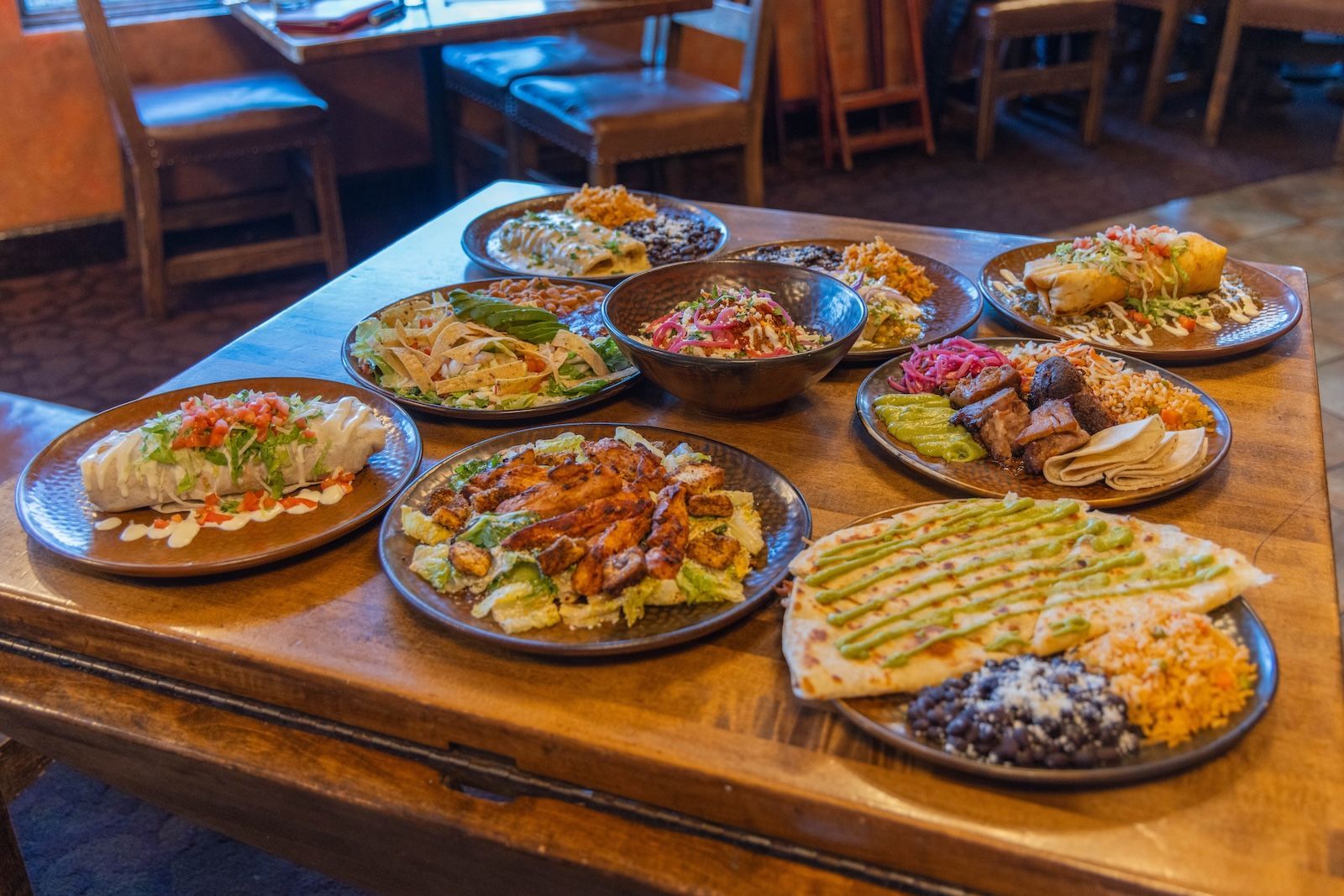
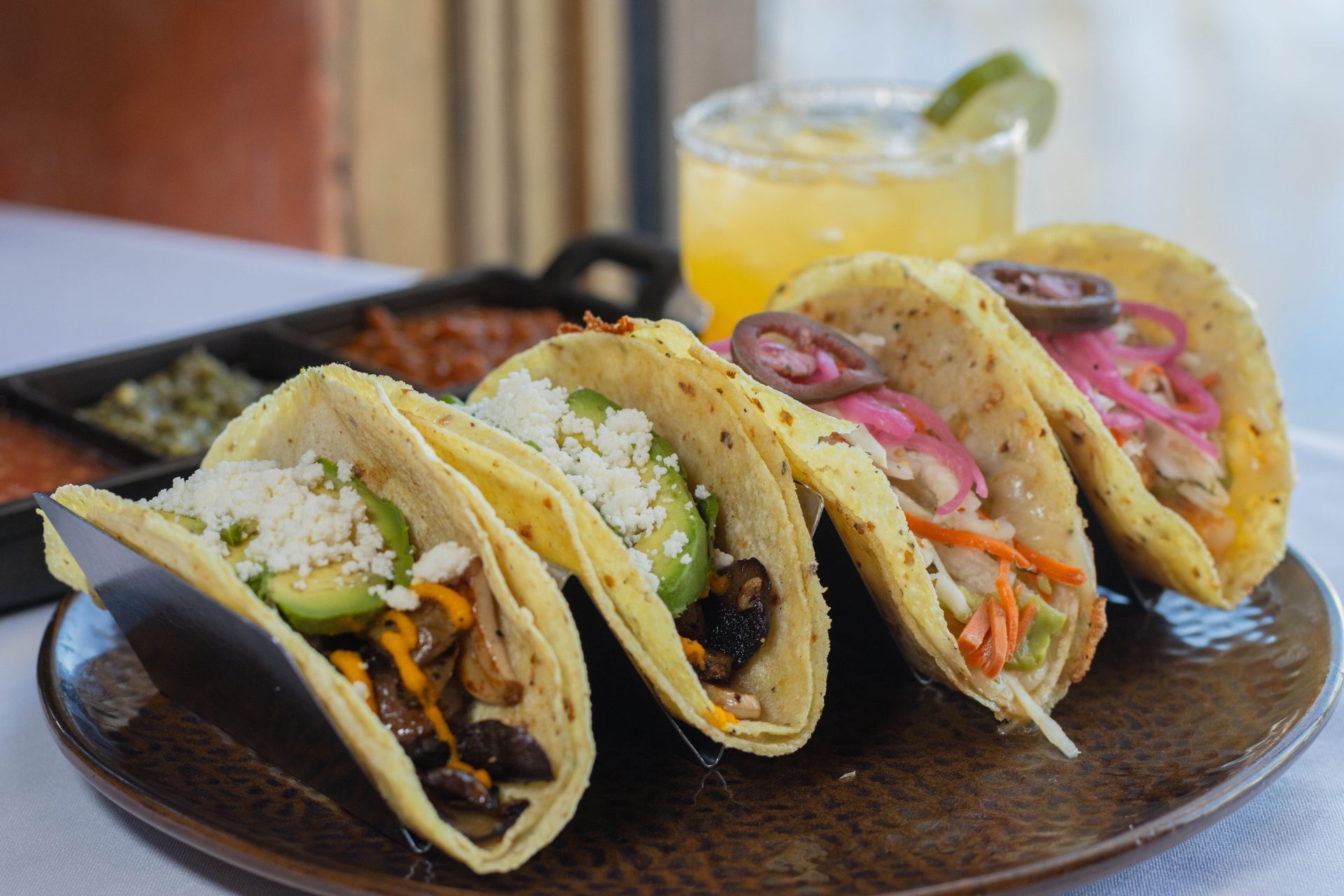
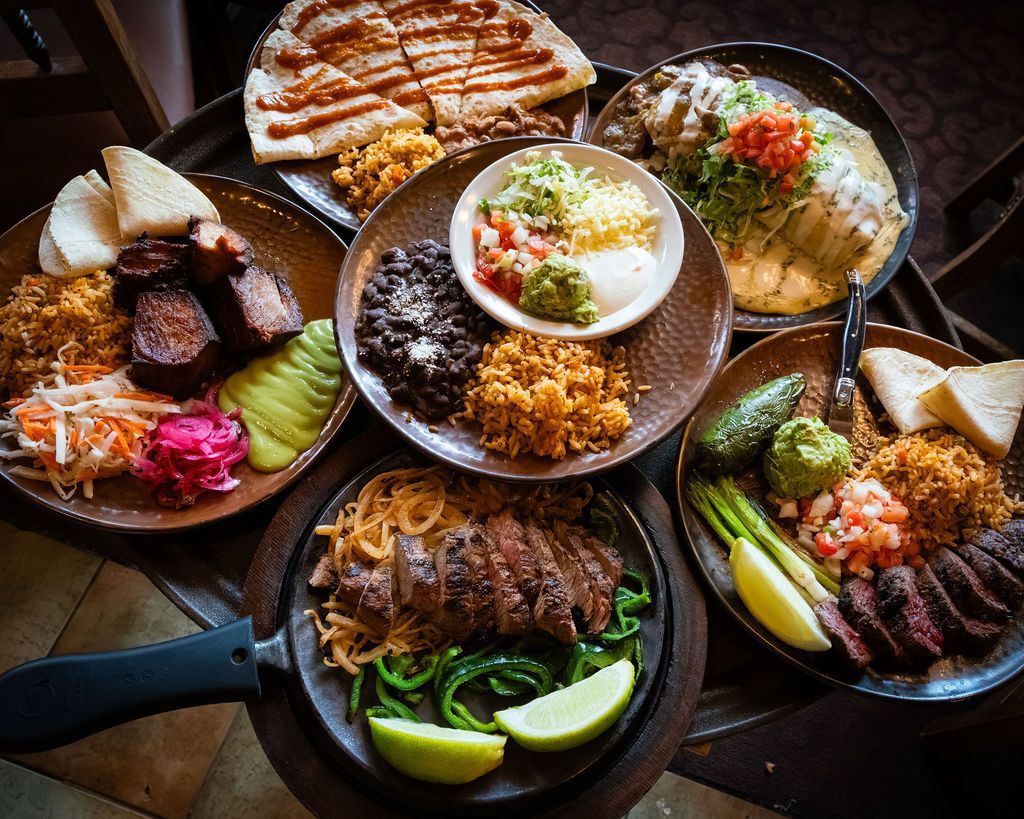
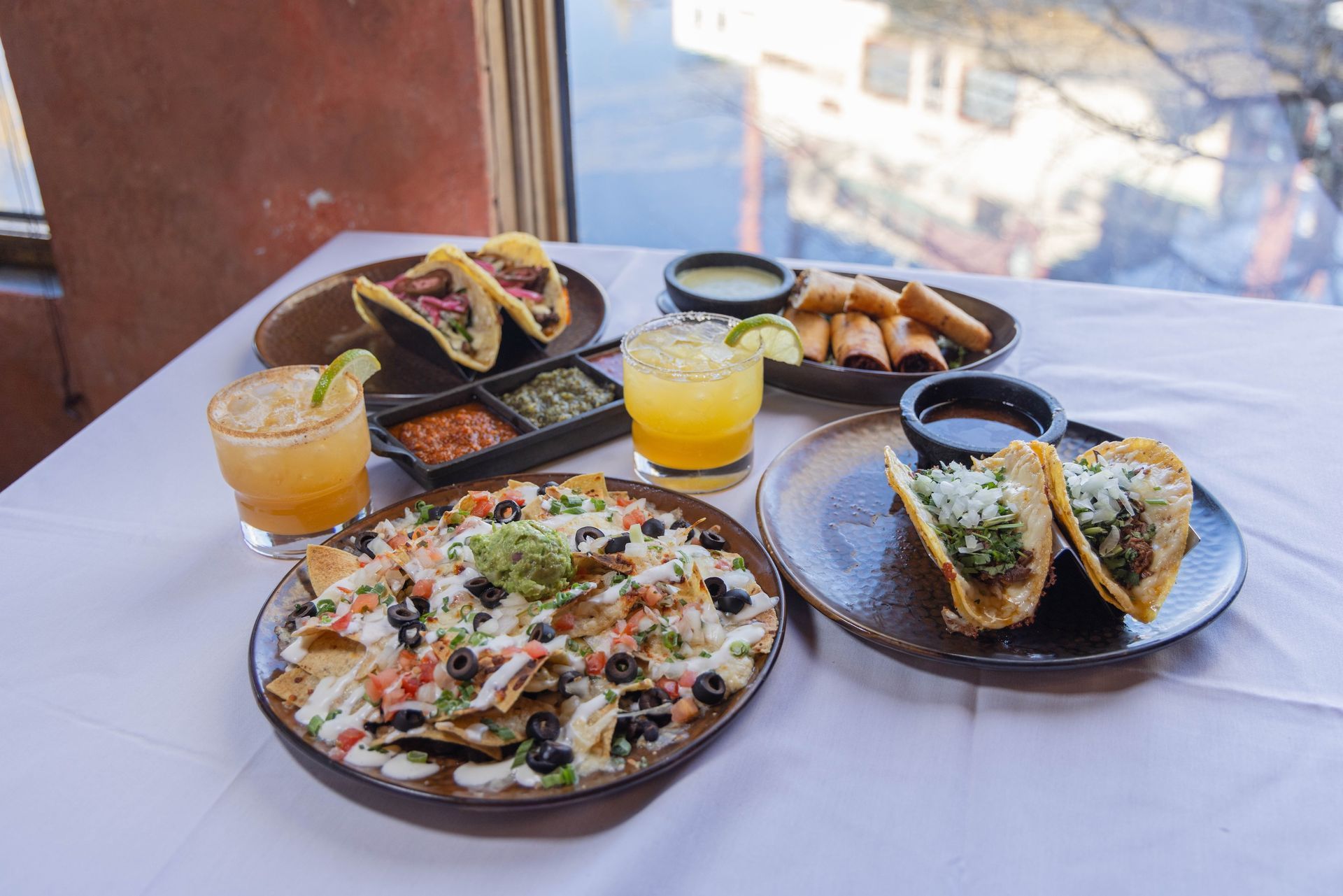
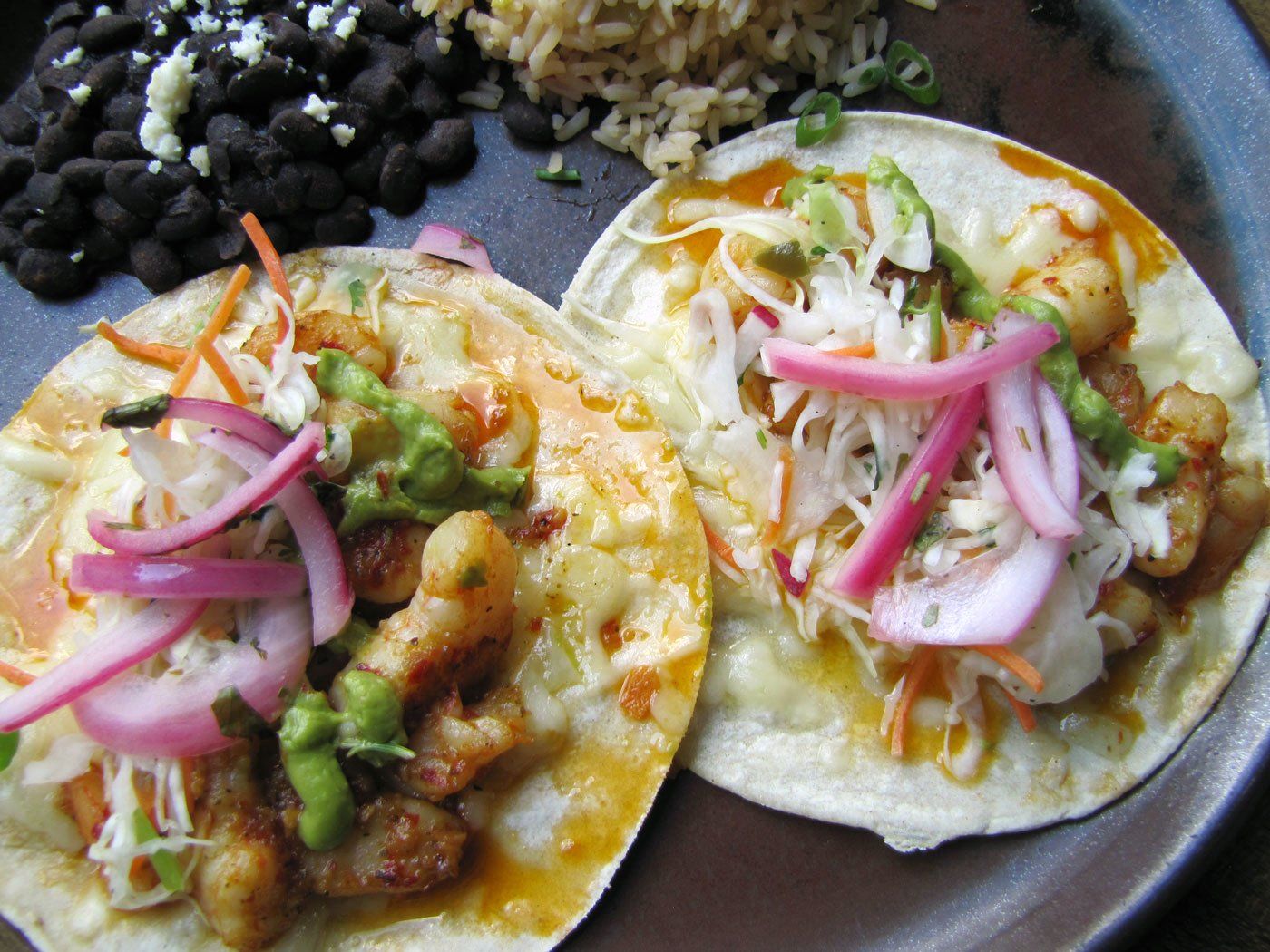
Mole is not on our menu, but the dried chiles at its heart are. At Mi Casa Mexican Restaurant & Cantina in Breckenridge, our red chile enchiladas come in a guajillo ancho chile sauce, and our birria is an ancho guajillo chile adobo braise.
Pair those chiles with a pour from our list of over 100 tequilas, the largest tequila list in Summit County. Feeding a group? Our catering trays for parties feed a crowd with scratch-made fajitas and enchiladas.