
Ceviche Recipe: How to Make It at Home
Ceviche is a cold dish of raw fish or shellfish marinated in citrus juice and seasoned with onion, chile and herbs. The acid turns the fish opaque and firm, so it looks cooked, but it is still raw.
To make it, you cut very fresh or previously frozen fish into small cubes, cover it with fresh lime juice, and chill it for 15 to 30 minutes. Then you fold in onion, chile, cilantro and salt and serve it right away.
This recipe covers fish choice and food safety first, then ingredients, equipment and step-by-step methods for fish and shrimp ceviche. It also explains regional styles, variations and what to serve with it. In Breckenridge, you can eat a Ceviche Tostada at Mi Casa's tequila tasting dinners.
What Is Ceviche?
Ceviche is a traditional dish from the Pacific coast of Latin America. It is eaten across the region and is the national dish of Peru.
The citrus does the work that heat does in other recipes. Citric acid denatures the proteins in the fish, which makes the flesh opaque and firm. The fish stays structurally raw, however, which matters for safety.
Ceviche in English and Where It Comes From
In English, ceviche is usually just called ceviche. It is sometimes described as citrus-cured or lime-marinated raw fish.
The Royal Spanish Academy lists four spellings: ceviche, cebiche, sebiche and seviche. The earliest documented use of the word is from 1820, in a Peruvian patriotic song called "La Chicha."
The origin of the name is disputed. One idea links it to the Spanish word escabeche, a vinegar marinade. Another links it to the Quechua word siwichi, meaning fresh fish.
The dish itself is likely much older than the word. Peruvian researchers point to a pre-Hispanic coastal origin, and the Moche culture marinated fish in the juice of a local fruit. Limes and onions arrived with the Spanish in the 16th century.
In the 1970s, Peruvian-Japanese chefs helped develop the quick-marinated style that is common today. In December 2023, UNESCO added Peruvian ceviche to its list of the Intangible Cultural Heritage of Humanity.
Is Ceviche Safe? Food Safety for Raw Fish
Ceviche is raw seafood, and lime juice does not make it safe the way cooking does. Acid marinating does not kill pathogens or parasites the way heat does. Raw seafood can carry bacteria such as Vibrio parahaemolyticus, viruses and parasites such as Anisakis.
The FDA says it is always best to cook seafood thoroughly to minimize the risk of foodborne illness. If you choose to make ceviche with raw fish, these steps lower the risk.
- Know who should not eat it. The FDA advises pregnant women, young children, older adults and people with weakened immune systems to avoid raw or undercooked fish and shellfish, including ceviche.
- Use very fresh fish from a trusted seller. Ask for fish meant to be eaten raw, and tell the fishmonger you are making ceviche.
- Or use previously frozen fish. The FDA notes that some fish can contain parasites, and freezing will kill any parasites that may be present. Freezing does not kill all harmful germs, though.
- Check freshness. Fish should smell fresh and mild, not fishy, sour or like ammonia. The flesh should spring back when pressed, and whole fish should have clear, shiny eyes.
- Buy it cold. Only buy fish that is refrigerated or displayed on a thick bed of fresh ice. Skip frozen packages that are torn or show frost or ice crystals.
- Keep it cold. Store fish at 40°F or below and use it within 2 days of purchase. Thaw frozen fish in the refrigerator overnight.
- Make it and eat it the same day. Ceviche should be prepared fresh and eaten right away.
The safest option is cooked seafood. Shrimp or fish poached until it reaches 145°F, or until the flesh is opaque, makes a cooked ceviche with the same bright flavors. The shrimp recipe below uses this method.
Best Fish for Ceviche
Choose firm, mild, lean white fish. Oily fish turn soft and strong-flavored in lime juice.
- Halibut: Firm, clean, sweet (notes: A top choice; holds its shape)
- Sea bass or corvina: Firm and mild (notes: The classic Peruvian pick)
- Red snapper: Medium-firm, sweet (notes: Easy to find skin-off fillets)
- Mahi-mahi: Firm, slightly meaty (notes: Good in larger cubes)
- Shrimp: Snappy (notes: Best poached first for safety)
- Scallops: Tender and sweet (notes: Slice thin; cures fast)
Skip any fish that smells strong. In a landlocked town like Breckenridge, good frozen fish is often a better choice than "fresh" fish of unknown age.
Ingredients for Ceviche
This recipe serves 4 as a starter or 2 as a light meal.
For Classic Fish Ceviche
- 1 pound skinless, boneless halibut, sea bass or snapper, very fresh or previously frozen
- 1 cup fresh lime juice (8 to 10 limes)
- 1/2 small red onion, very thinly sliced
- 1 to 2 serrano or jalapeño chiles, minced
- 1/2 cup chopped cilantro
- 1 teaspoon fine sea salt, plus more to taste
- 1 garlic clove, grated (optional)
For Mexican Shrimp Ceviche
- 1 pound medium shrimp, peeled and deveined
- 3/4 cup fresh lime juice
- 2 Roma tomatoes, seeded and diced
- 1/2 English cucumber, diced
- 1/2 small white onion, finely diced
- 1 serrano chile, minced
- 1 ripe avocado, diced
- 1/2 cup chopped cilantro
- 1 teaspoon salt
To Serve
- Tostadas or tortilla chips
- Sliced avocado
- Lime wedges
- Hot sauce
Equipment You Need
- Sharp knife and clean cutting board (separate from vegetables)
- Glass or stainless steel bowl; avoid aluminum, which reacts with acid
- Citrus press or juicer
- Fine strainer
- Instant-read thermometer for cooked shrimp
- Plastic wrap
How to Make Fish Ceviche Step by Step
- Chill everything. Put the bowl and the fish in the refrigerator for 15 minutes. Cold fish cuts cleanly.
- Cut the fish. Remove any skin, bones or dark bloodline. Cut the fish into even 1/2-inch cubes.
- Prepare the onion. Slice the red onion very thin. Soak it in ice water for 10 minutes to soften its bite, then drain.
- Juice the limes. Squeeze the limes fresh and strain out the seeds. Bottled juice tastes flat.
- Cure the fish. Put the fish in the cold bowl and season with the salt. Pour over enough lime juice to cover. Stir gently.
- Chill. Cover and refrigerate for 15 to 30 minutes, stirring once. The outside turns white and opaque; the center may stay slightly translucent.
- Drain. Pour off about half of the juice. Keep it for serving.
- Finish. Fold in the onion, chile, cilantro and garlic. Taste and add salt.
- Serve. Spoon into chilled bowls or onto tostadas and serve at once with avocado and lime.
Do not marinate for hours. Long soaking makes the fish chalky and rubbery, and it does not make it safer.
How to Make Shrimp Ceviche (Cooked Version)
This Mexican-style shrimp ceviche cooks the shrimp first, which is the safer choice for most cooks.
- Poach the shrimp. Bring a pot of salted water to a boil. Add the shrimp and cook 1 to 2 minutes, until firm, pearly and opaque.
- Check the temperature. Shrimp should reach 145°F.
- Shock. Move the shrimp to ice water for 2 minutes, then drain and pat dry.
- Chop. Cut each shrimp into 3 or 4 pieces.
- Marinate. Toss the shrimp with the lime juice and salt. Refrigerate for 15 to 20 minutes.
- Mix. Fold in the tomatoes, cucumber, onion, chile and cilantro.
- Add avocado last. Fold it in just before serving so it stays in cubes.
- Serve with tostadas, chips and hot sauce.
At Breckenridge's 9,600 feet, water boils at a lower temperature, about 193°F at 10,000 feet according to Colorado State University Extension. Shrimp may need an extra 30 to 60 seconds to turn opaque, so check rather than time it.
Leche de Tigre: Using the Marinade
In Peru, the citrus marinade left in the bowl is called leche de tigre, or tiger's milk. Many cevicherías serve it as a small appetizer in a glass.
At home, you can spoon a little of the reserved juice over each serving. Blend it with a few scraps of fish, a slice of chile, ginger and a pinch of salt for a stronger version. Only drink leche de tigre made with fish you are confident eating raw.
Regional Styles of Ceviche
Every Pacific country has its own style.
- Peruvian: White fish (key flavors: Lime, sliced onion, chile; served with: Boiled sweet potato and corn)
- Mexican: Fish or shrimp (key flavors: Lime, tomato, avocado, sometimes tomato sauce; served with: Tostadas, cocktail cups or as a taco filling)
- Ecuadorian: Shrimp cooked with the shells (key flavors: Tomato sauce, mustard, oil; served with: Toasted corn and fried plantains)
Peruvian ceviche is lean and sharp. Mexican ceviche is chunkier and often served in a cup or on a tostada. Ecuadorian ceviche is closer to a shrimp cocktail.
Variations
- Mango or pineapple: Add 1 cup diced fruit for sweetness against the lime.
- Aguachile-style: Blend the lime juice with serrano chiles and cilantro for a green, spicy marinade.
- Coconut: Replace a quarter of the lime juice with coconut milk for a softer, richer cure.
- Scallop: Slice scallops thin and cure for only 10 minutes.
- Vegetarian: Use hearts of palm, mushrooms or cauliflower in place of fish. Spoon a little tangy salsa verde over the top.
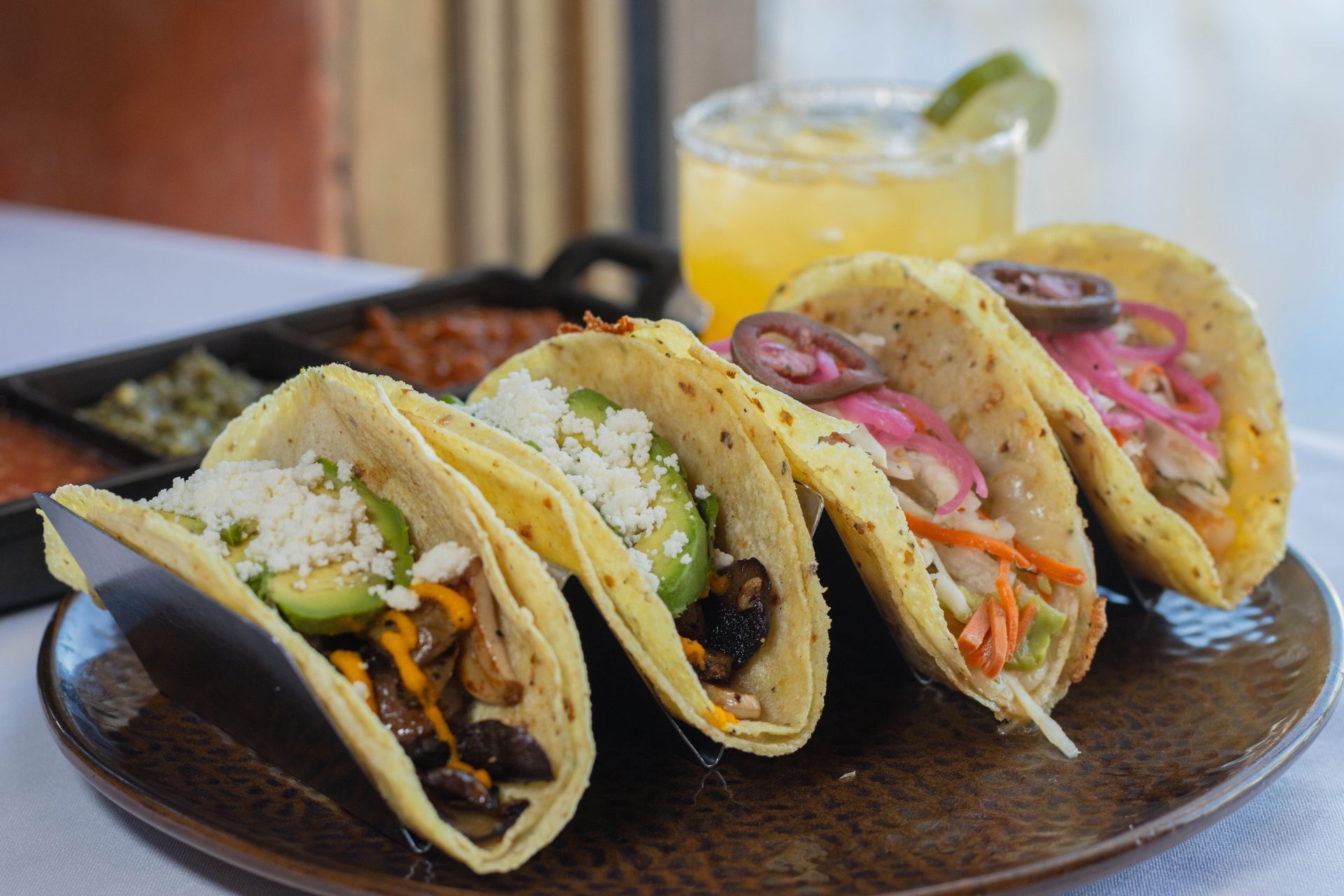
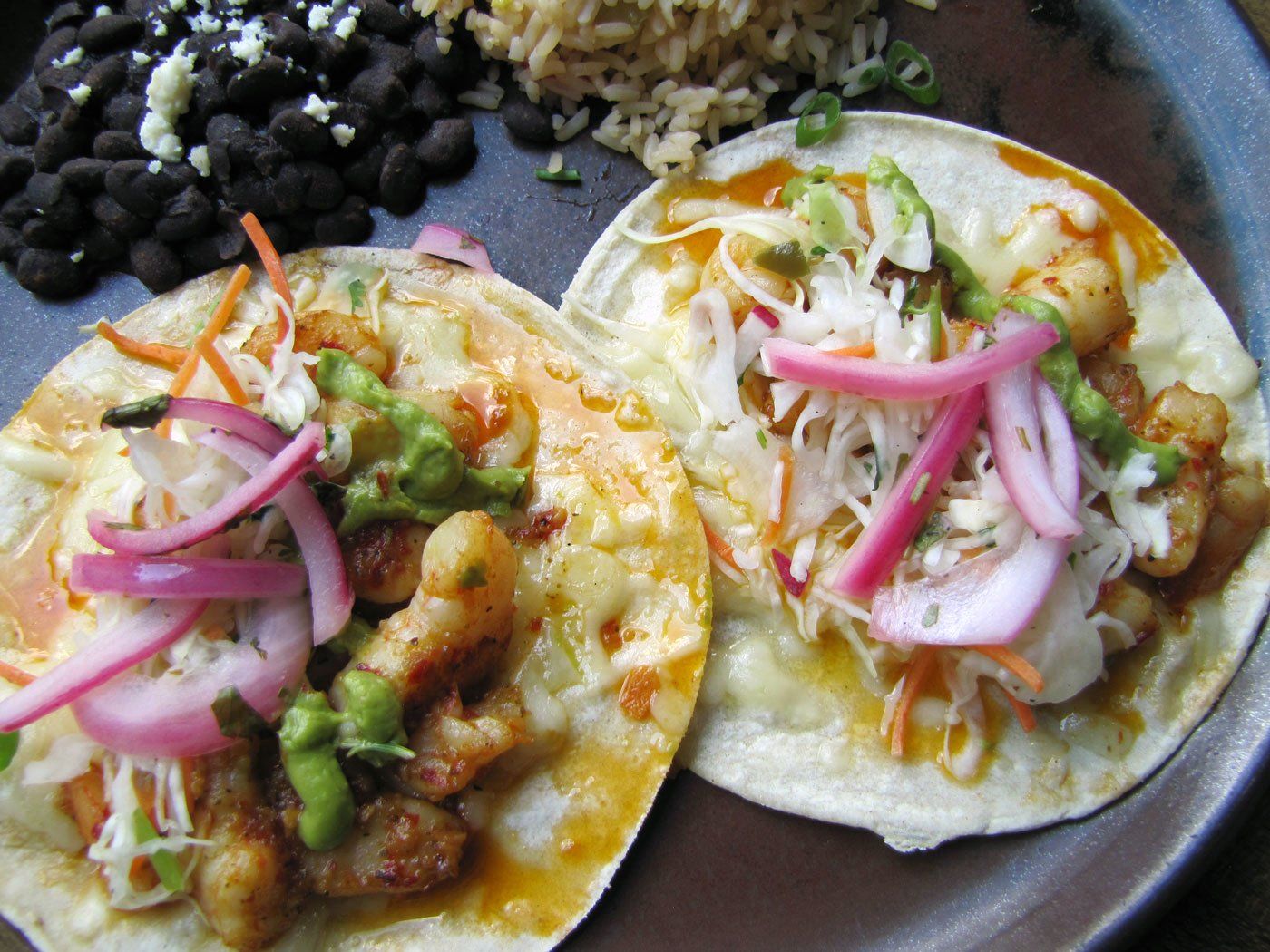
- Ceviche tacos: Pile ceviche into warm corn tortillas with shredded cabbage.
Tips for the Best Ceviche
- Cut evenly. Same-size cubes cure at the same rate.
- Use fresh limes. Fresh juice is brighter and cleaner.
- Salt the fish first. Salt before the lime juice helps it season all the way through.
- Keep it cold. Work quickly and keep the bowl in the refrigerator between steps.
- Taste for balance. If it is too sour, add a little orange juice or a pinch of sugar.
- Serve right away. Ceviche is at its best within an hour of finishing.
Storage and Make-Ahead
Ceviche is not a make-ahead dish. It should be made fresh and eaten right away.
You can prep parts ahead. Juice the limes, chop the vegetables and keep them covered in the refrigerator for a few hours. Cut and cure the fish only shortly before serving.
Do not keep leftovers made with raw fish. Refrigerate cooked-shrimp ceviche within 2 hours, at 40°F or below, and eat it the same day; the avocado and the shrimp texture both decline fast.
What to Serve with Ceviche
Ceviche is light, so pair it with crunchy or creamy sides.
- Tostadas or thick tortilla chips
- A bowl of creamy avocado guacamole
- Charred elote on the cob, echoing the corn served with Peruvian ceviche
- Crispy Baja fish tacos for a seafood dinner
- Sweet potato slices, the Peruvian way
To drink, try a tart, shaken classic margarita or a pour of crisp blanco tequila. Both suit the lime and chile.
Frequently Asked Questions
Does lime juice cook the fish in ceviche?
No. Lime juice denatures the fish proteins, so the flesh turns opaque and firm like cooked fish. But it stays structurally raw, and the acid does not kill pathogens or parasites the way heat does.
How long should fish marinate for ceviche?
About 15 to 30 minutes in the refrigerator. That is long enough for the outside to turn opaque. Longer marinating makes the fish tough and chalky and does not make it safer.
What is the best fish for ceviche?
Firm, mild white fish such as halibut, sea bass, corvina or snapper. Use fish that is very fresh or previously frozen, and avoid oily or strong-smelling fish.
Can you use frozen fish for ceviche?
Yes, and it is often the better choice. The FDA notes that freezing kills parasites that may be present in fish. Thaw it in the refrigerator overnight and use it the same day.
Is ceviche safe to eat while pregnant?
No. The FDA advises pregnant women to avoid raw or undercooked fish and shellfish, and ceviche made with raw fish falls in that group. A ceviche made with fully cooked shrimp is the safer option.
Ceviche at Mi Casa in Breckenridge
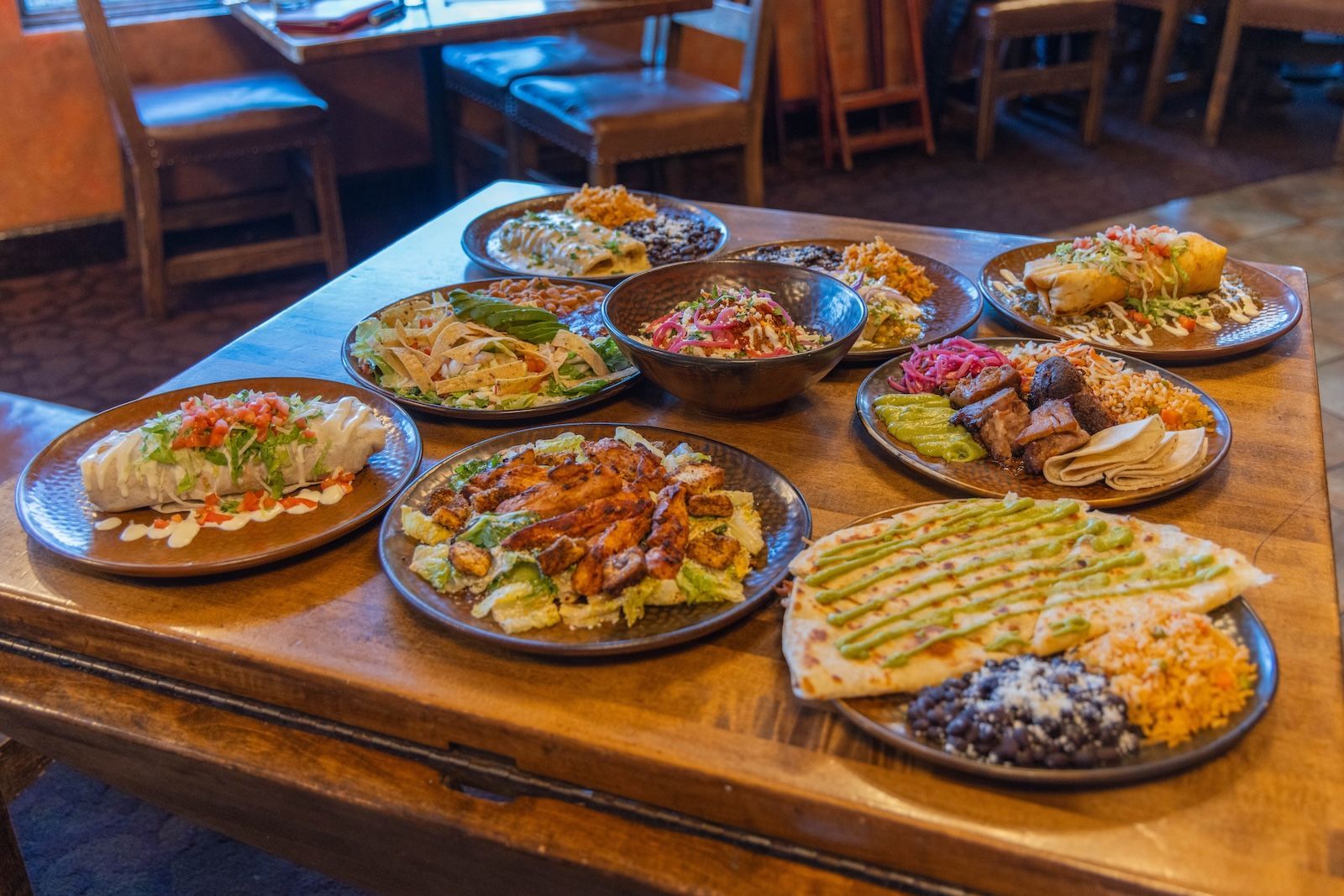
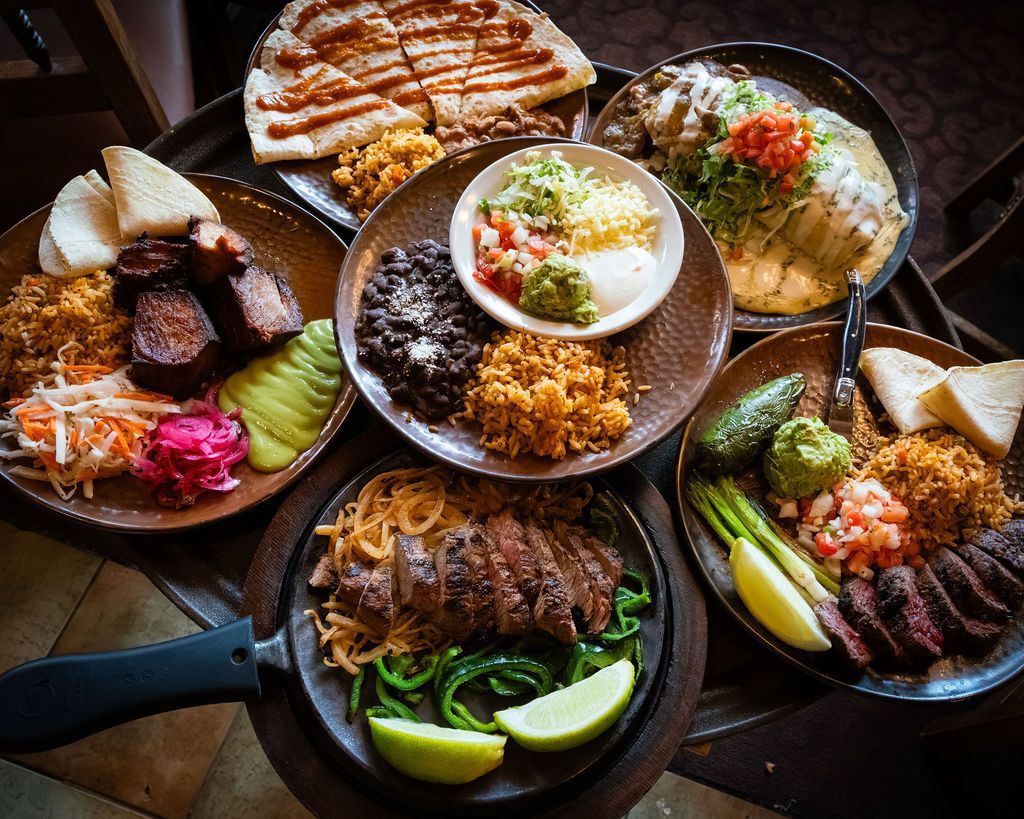
At Mi Casa Mexican Restaurant & Cantina, a Ceviche Tostada has appeared on the special menus for our private tequila tasting dinners, paired with tequila from our bar. The tequila list with over 100 selections is the largest in Summit County.
For the classic partner to lime and chile, see our house margaritas from the bar. We are at 600 South Park Ave in Breckenridge, open daily from 11:30 am to 9 pm.