Mexican Hot Chocolate Recipe: How to Make It at Home
Mexican hot chocolate is a warm drink of milk or water and Mexican table chocolate, a coarse tablet of cacao, sugar and cinnamon, whipped until foamy.
To make it at home, heat milk with a cinnamon stick, melt in chopped table chocolate, and froth it with a wooden molinillo or a whisk. It takes about 15 minutes. Many families drink it at breakfast and through the holidays, next to Mexican Christmas food and holiday dishes.
This post covers what makes the drink Mexican, where it comes from, a full recipe with US amounts, a from-scratch version, a vegan cup with oat or almond milk, a chile version, an adults-only spiked mug, high-altitude notes, storage and answers to common questions.
What Is Mexican Hot Chocolate?
Mexican hot chocolate, or chocolate caliente, is hot chocolate made from Mexican table chocolate. In Spanish this is called chocolate para mesa.
The tablet already holds sugar and cinnamon, and often vanilla. It dissolves in hot milk, water or cream, and the drink is then beaten until frothy.
The result is lighter and less sweet than a thick European sipping chocolate. It also has a slightly gritty texture that comes from the coarse-ground tablet.
What Makes Hot Chocolate Mexican?
Three things set it apart: the chocolate, the spice and the foam. Each one is easy to get right at home.
Mexican Table Chocolate (Abuelita and Ibarra)
Mexican table chocolate is a disc of ground cacao, sugar and cinnamon made for drinking. It is coarser and sweeter than a chocolate bar.
Two brands fill most US grocery shelves:
- Ibarra: made since 1925, and by Chocolatera de Jalisco in Guadalajara since 1954. Its round tablets split into 8 wedges, packed in a red-and-yellow hexagonal box. The box suggests about 2 wedges per cup of milk or water.
- Abuelita: created in Mexico in 1939 by Fábrica de Chocolates La Azteca and owned by Nestlé since 1995. The name is an affectionate Spanish word for grandma. It comes as tablets, syrup and powdered packets.
Ingredients differ by brand. Ibarra lists cocoa paste, sugar, cinnamon and soy lecithin. Abuelita lists sugar first, then chocolate, vegetable oils and artificial cinnamon flavor. Read the label if fat source or flavor matters to you.
The same tablets also go into savory cooking. Cooks use them in chocolate-and-chile mole sauces, such as mole poblano.
Cinnamon and Chile
Cinnamon is the signature flavor of Mexican hot chocolate. It is not native to the Americas, though. Spanish colonists introduced it, and it is now tied closely to Mexican chocolate.
Chile is the older partner. Aztec cacao drinks were often flavored with chile. Most Mexican hot chocolate today is not spicy, but a pinch of ground ancho or cayenne brings back that warmth.
Cinnamon also links this drink to Mexico's other cinnamon-sweet drink, horchata, which is served cold.
The Molinillo and the Foam
A molinillo is a turned wooden whisk used for hot chocolate, atole and champurrado. You hold the handle between your palms and rub your hands together to spin it. The spinning rings beat air into the drink.
Foam matters in this tradition. Long before the molinillo, the Maya poured cacao drinks from one vessel to another, from a height, to build a thick foam. A whisk or a blender does the same job today.
A Short History: From Cacao Drinks to Chocolate Caliente
People in Mexico and Central America drank cacao for thousands of years before anyone made a sweet cup of hot chocolate.
- Earliest drinks: The Mokaya people on the Pacific coast of Chiapas drank bitter, frothy cacao by about 1900 BC.
- The Maya: They fermented, dried, roasted and ground cacao beans on a stone metate. They mixed the paste with water, vanilla, cornmeal and chile, and served it cold.
- The Aztecs: Chocolate was an elite drink, served hot or cold and often with chile. Cacao beans also served as money across Mesoamerica.
- Spanish contact: Hernán Cortés may have been the first European to taste chocolate, at the court of Moctezuma II around 1520.
- To Europe: Maya nobles brought chocolate to the Spanish court in 1544. The first official shipment of cacao to Europe is recorded in 1585.
The Spanish changed the drink. They sweetened it with sugar instead of honey, added familiar spices such as cinnamon, anise and black pepper, and served it warm. That sweet, spiced, hot version is the root of today's chocolate caliente.
Pressed tablets came much later. Brands like Ibarra and Abuelita made table chocolate a pantry staple in the 20th century.
Mexican Hot Chocolate vs Regular Hot Chocolate
Both are warm chocolate drinks, but the base, flavor and texture differ.
- Chocolate: Table chocolate tablet with sugar and cinnamon (regular US hot chocolate: Cocoa powder or a chocolate bar)
- Spice: Cinnamon, sometimes chile or vanilla (regular US hot chocolate: Usually none)
- Liquid: Milk, water or a mix (regular US hot chocolate: Mostly milk)
- Texture: Lighter, slightly grainy, foamy (regular US hot chocolate: Smooth, often thicker)
- Tool: Molinillo or whisk (regular US hot chocolate: Spoon or whisk)
- Topping: Foam, cinnamon (regular US hot chocolate: Whipped cream or marshmallows)
- Served with: Churros, pan dulce, tamales (regular US hot chocolate: Cookies)
Ingredients
This recipe makes 4 mugs, about 8 ounces each.
- 4 cups whole milk (or 3 cups milk plus 1 cup water for a lighter, more traditional cup)
- 1 tablet Mexican table chocolate, such as Ibarra (8 wedges), about 3 ounces, roughly chopped
- 1 cinnamon stick, about 3 inches long (Mexican canela if you can find it)
- 1 pinch fine salt
- 1/4 teaspoon vanilla extract (optional)
- 1 pinch ground ancho chile or cayenne (optional)
- Ground cinnamon, for dusting
For a richer drink, use 1 1/2 tablets. For a less sweet one, replace a third of the tablet with chopped dark chocolate.
Equipment
- Medium saucepan with a heavy bottom
- Cutting board and knife, or a mortar, to break up the tablet
- Molinillo, balloon whisk or blender
- Ladle and 4 mugs
A heavy pan spreads heat evenly, so the milk is less likely to scorch on the bottom.
How to Make Mexican Hot Chocolate
- Chop the chocolate. Cut the tablet into small pieces along its wedge lines. Smaller pieces melt faster and more evenly.
- Warm the milk. Pour the milk into the saucepan and add the cinnamon stick and salt. Heat over medium-low for 5 to 7 minutes, until small bubbles form at the edge and the milk steams.
- Melt the chocolate. Add the chopped chocolate. Whisk steadily for 3 to 4 minutes, until no pieces remain.
- Keep it below a boil. Lower the heat if the surface starts to bubble. Boiling milk can foam over and scorch.
- Season. Take the pan off the heat. Remove the cinnamon stick, then stir in the vanilla and chile, if using. Taste and add a pinch more salt if it tastes flat.
- Froth it. Spin a molinillo between your palms in the pan for about 1 minute, until a thick foam forms. A balloon whisk works too.
- Blender option. For the most foam, blend in batches for 20 to 30 seconds. Fill the jar no more than halfway, remove the lid's center cap and cover the hole with a folded towel so steam can escape.
- Serve. Ladle into mugs, spoon the foam on top and dust with ground cinnamon.
Mexican Hot Chocolate From Scratch (No Tablet)
No table chocolate at the store? You can build the same flavor from a pantry.
For 4 mugs, use:
- 4 cups whole milk
- 4 ounces bittersweet chocolate (60 to 70 percent cacao), finely chopped
- 3 to 4 tablespoons sugar, or grated piloncillo
- 1 teaspoon ground cinnamon, or 1 cinnamon stick
- 1 tablespoon finely ground almonds (optional, for the classic grainy body)
- 1/2 teaspoon vanilla extract
- 1 pinch salt
Warm the milk with the cinnamon and sugar until steaming. Whisk in the chocolate and almonds until smooth, then add the vanilla and salt. Froth and serve as above.
Some cooks sweeten with piloncillo, an unrefined cane sugar sold in cones. It gives a deeper, molasses-like taste.
Tips for the Best Cup
- Go low and slow. Gentle heat melts the tablet without scorching the milk.
- Chop small. Table chocolate is dense and grainy. Big chunks take a long time to dissolve.
- Froth just before serving. Foam fades within a few minutes, so whip it at the last moment.
- Expect some grain. A little grit is normal with table chocolate. Blending makes it smoother.
- Salt it. A pinch of salt makes the chocolate and cinnamon taste fuller.
- Taste before adding sugar. Tablets are already sweet, so most cups need no extra sugar.
Variations
The basic method stays the same. Only the liquid, spice or add-in changes.
Vegan Mexican Hot Chocolate
Swap the dairy milk for 4 cups of unsweetened oat milk or almond milk. Oat milk gives the creamiest body and froths well. Almond milk is lighter and adds a nutty note, which suits the cinnamon.
Check the tablet label. Many Mexican table chocolates list no milk, but recipes change and some brands add dairy or are made on shared lines. You can also use the from-scratch version with a dairy-free dark chocolate.
Warm plant milks gently, since some can separate if they boil. Eating out instead? See our guide to vegan and vegetarian Mexican food in Breckenridge.
Spicy Mexican Hot Chocolate
Add 1/8 to 1/4 teaspoon ground ancho chile for mild, fruity warmth, or a small pinch of cayenne for real heat. Add it with the vanilla, then taste.
For a smoky cup, try a pinch of ground chipotle. Start small, because the heat builds as you drink.
Champurrado
Champurrado is a thick, chocolate-flavored atole, a warm drink thickened with corn masa. It is sweetened with piloncillo and sometimes flavored with cinnamon, anise or vanilla.
To make it, whisk 1/3 cup masa harina into 1 cup warm water until smooth. Stir it into the hot chocolate and simmer gently, whisking, for 5 to 8 minutes, until it thickens.
Champurrado is popular at Day of the Dead and Las Posadas, often served next to a tray of homemade tamales.
Spiked Mexican Hot Chocolate (Adults Only)
For adults, stir 1 to 1 1/2 ounces of reposado tequila into each mug after the chocolate comes off the heat. Reposado's light oak notes suit the cinnamon.
For a smoky mug, use smoke-kissed mezcal from Oaxaca instead. Add the spirit off the heat so the alcohol does not cook off, and leave it out of any cups for kids. To taste agave spirits before you pour them at home, browse the tequila and mezcal list at Mi Casa.
High-Altitude Notes for Breckenridge and Mountain Kitchens
Breckenridge sits at about 9,600 feet. Up here, water boils at a lower temperature than at sea level.
At sea level, water boils at 212°F. At 10,000 feet, it boils at about 193.6°F. A common rule of thumb is about 1°F lower for every 500 feet of climb.
What this means for hot chocolate:
- The pot bubbles sooner. Milk reaches a simmer at a lower temperature, so watch it closely and keep the heat at medium-low.
- The drink runs cooler. A mountain cup cannot get as hot as a sea-level cup, so serve it right away in warmed mugs.
- Champurrado needs time. Masa thickens through simmering, so allow a few extra minutes at altitude.
- Chocolate is not the problem. Table chocolate melts well below the boiling point, so the recipe itself needs no change.
Make-Ahead, Storage and Reheating
- Make ahead: Make the drink up to 1 day ahead. Cool it, then cover and refrigerate it in a jar.
- Store: Refrigerate leftovers promptly in a covered jar, and use them while the milk is still fresh.
- Reheat: Warm over low heat, whisking, until steaming. Stir well first, since the chocolate settles.
- Froth again: Foam does not survive the fridge. Whip it with a molinillo, whisk or blender after reheating.
- For a crowd: Keep a batch warm in a slow cooker on low, and whisk it before each pour.
What to Serve With Mexican Hot Chocolate
Mexican hot chocolate is made for dunking. Classic partners include:
- Churros: Crisp fried dough with cinnamon sugar is the best-known match.
- Pan dulce: Mexican sweet breads, such as conchas, are a breakfast favorite.
- Tamales: A cup of chocolate and a tamal is a common holiday breakfast.
- Cakes and custards: It pairs well with flan or a slice of tres leches.
- Cookies: Mexican wedding cookies or simple cinnamon cookies.
It is also a good way to warm up after an evening out at Breckenridge's Christmas events and lights.
Frequently Asked Questions
Is Mexican hot chocolate spicy?
Usually not. Most Mexican hot chocolate is sweet and spiced with cinnamon, not chile. Some recipes and tablets add a pinch of chile or cayenne, which gives gentle warmth rather than strong heat.
What is the best Mexican chocolate for hot chocolate?
Ibarra and Abuelita are the most widely sold brands in the US. Ibarra lists cocoa paste, sugar and cinnamon. Abuelita is sweeter and uses vegetable oils and artificial cinnamon flavor.
Can I make Mexican hot chocolate with water?
Yes. Water is a traditional base, and the Ibarra box suggests milk or water. A water cup is lighter and tastes more of cacao. A mix of 3 parts milk to 1 part water is a good middle ground.
Why is Mexican hot chocolate grainy?
Mexican table chocolate is ground coarser than bar chocolate, and the sugar is not fully dissolved into it. That gives a slight grit. Chopping the tablet small, whisking longer or blending the drink makes it smoother.
Can I use cocoa powder instead of Mexican chocolate?
Yes. Whisk 1/4 cup unsweetened cocoa powder with 1/4 cup sugar and 1 teaspoon cinnamon into 4 cups warm milk. Add vanilla and salt. It will be thinner than the tablet version, so add 1 ounce of chopped dark chocolate for body.
What is the difference between Mexican hot chocolate and champurrado?
Mexican hot chocolate is chocolate melted into milk or water. Champurrado adds corn masa, which makes it thick, like a drinkable pudding. Both are often frothed with a molinillo.
Mexican Chocolate at Mi Casa in Breckenridge
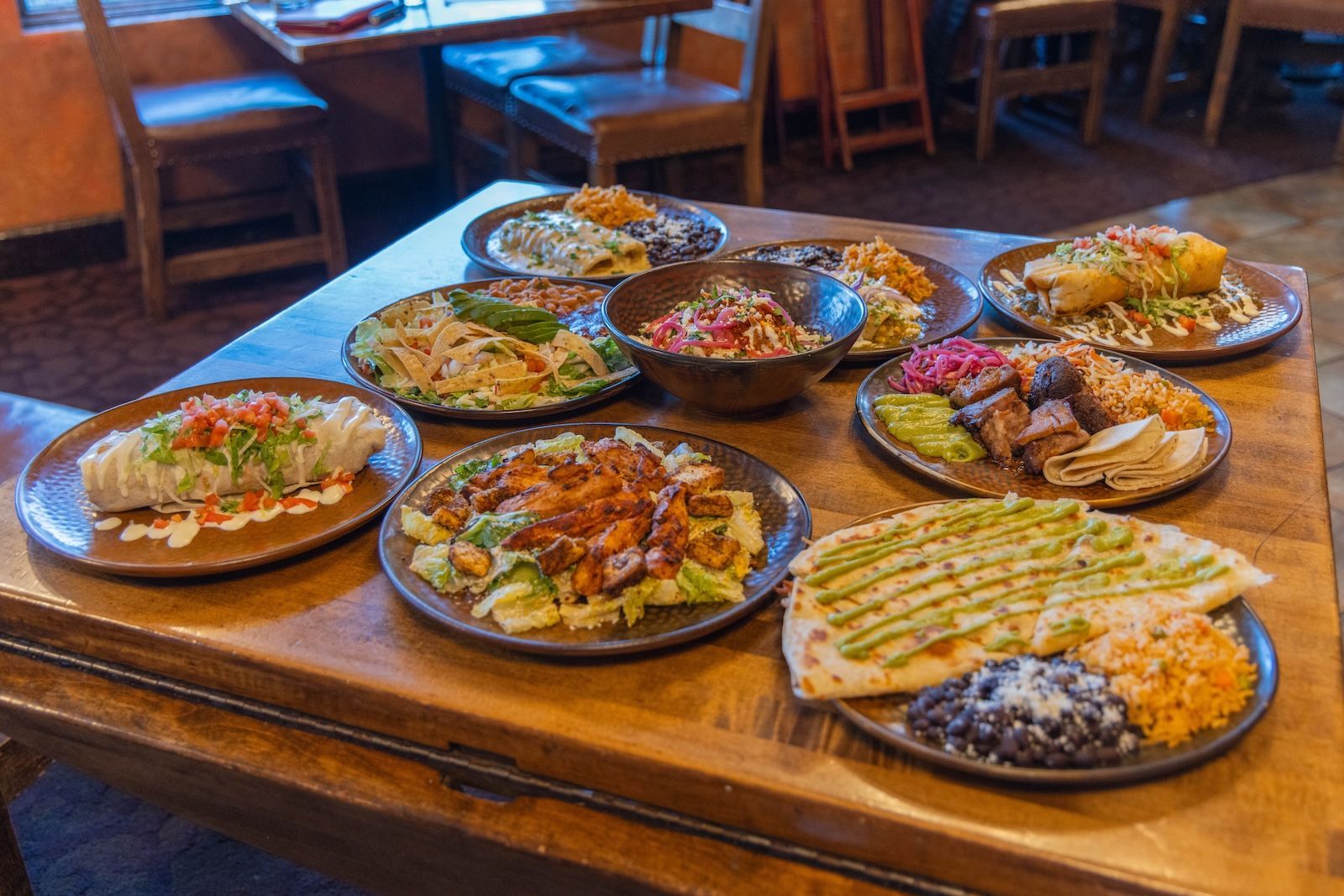
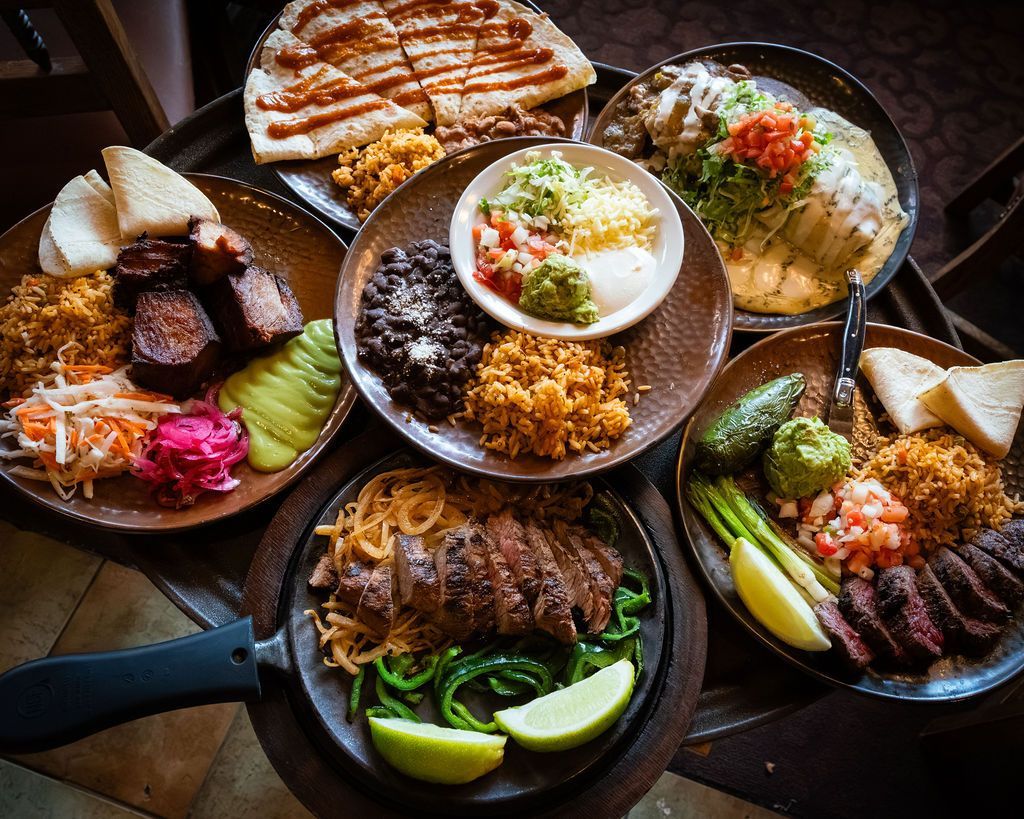
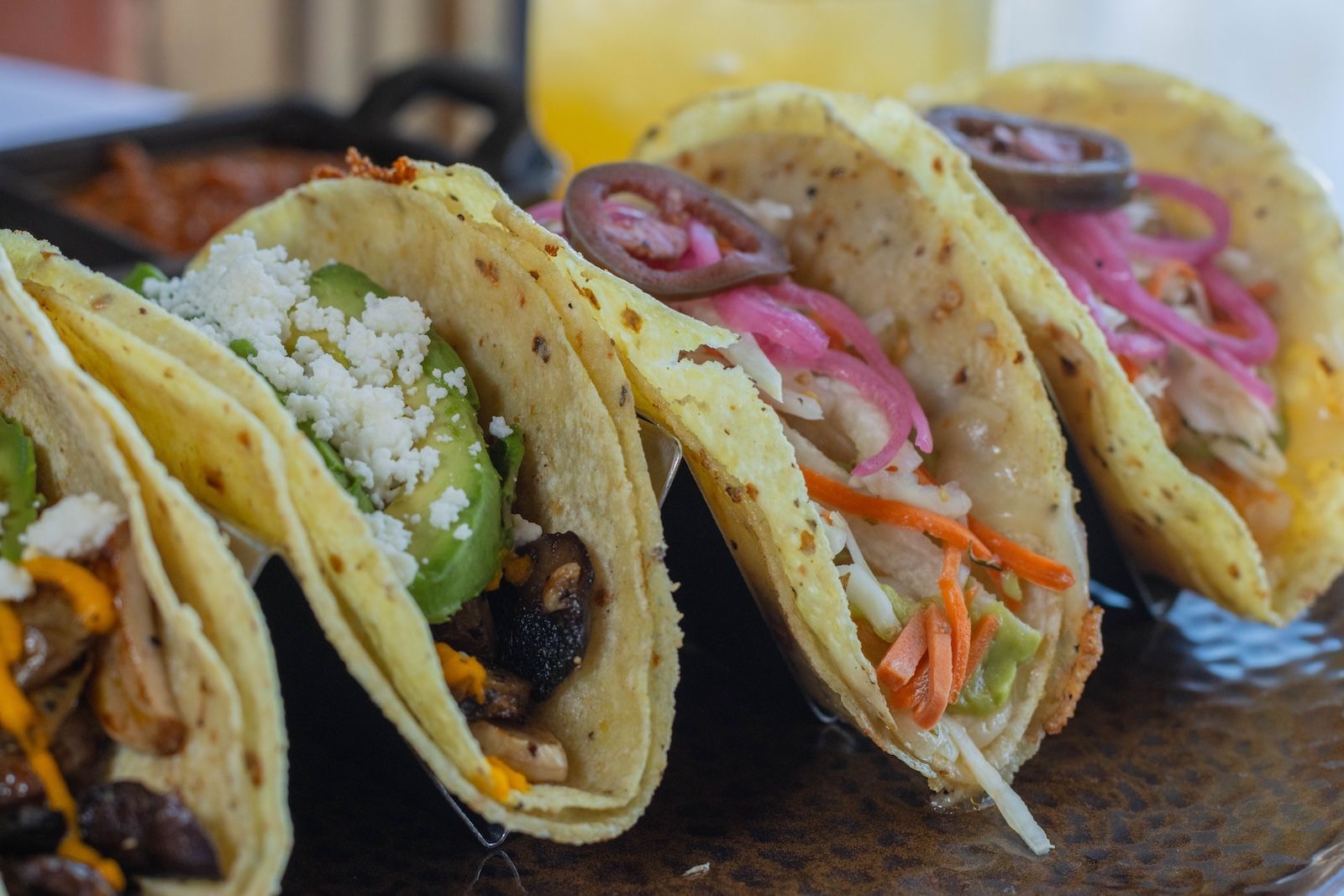
At Mi Casa Mexican Restaurant & Cantina in Breckenridge, Mexican chocolate shows up for dessert. Churros, cinnamon-sugar fried dough made for dipping, are on our dessert list. Ask your server what desserts are on today, or see the churros and desserts on the Mi Casa menu.
For adults, our bar pours a Chocolate Añejo Old Fashioned with Casamigos añejo and Aztec chocolate bitters, from a Breckenridge tequila list of over 100 selections. We have served Breckenridge since 1981, steps from the Peak 9 base, and we are open daily from 11:30 am to 9 pm.
The body content of your post goes here. To edit this text, click on it and delete this default text and start typing your own or paste your own from a different source.