
Christmas Mexican Food: Traditional Holiday Dishes
Mexican Christmas food is the set of dishes, drinks and sweets served in Mexico from mid-December to early January. The biggest meal is the late dinner on Nochebuena, Christmas Eve.
The classic Mexican Christmas foods are tamales, pozole, bacalao a la vizcaína, romeritos, turkey or roast pork, and ensalada de Nochebuena. The drinks are ponche, champurrado and rompope. Buñuelos and rosca de reyes close the season.
Most families eat tamales at least once between the posadas and Candlemas. For the masa, husks and fillings that make up a tamal, see that guide. This post covers each holiday dish, the drinks and sweets, what is served at a posada and on Nochebuena, a comparison table, and a plan for cooking the meal at home.
What Is Mexican Christmas Food?
Mexican Christmas food is a mix of native corn dishes and foods brought by the Spanish. Tamales and pozole come from pre-Hispanic cooking. Salt cod, buñuelos and the rosca arrived with the colonial era.
The menu also changes by region and family. A household in central Mexico may serve romeritos and bacalao. Another may serve pozole and tamales and skip seafood. The constants are corn, chiles, warm spiced drinks and fried or baked sweets.
The Mexican Christmas Season: From Guadalupe to Candelaria
The Mexican Christmas season runs from December 12 to January 6, and the food traditions stretch to February 2. People call this stretch the Guadalupe-Reyes Marathon, a humorous pop-culture name rather than an official holiday.
- December 12: Day of the Virgin of Guadalupe (typical food and drink: Start of the holiday season)
- December 16 to 24: Las Posadas, nine evenings (typical food and drink: Tamales, atole, buñuelos, ponche)
- December 24: Nochebuena (Christmas Eve) (typical food and drink: Bacalao, romeritos, turkey or ham, ponche)
- December 25: Christmas Day (typical food and drink: Leftovers, often in tortas)
- December 28: Día de los Santos Inocentes (typical food and drink: A day of pranks)
- December 31: New Year's Eve (typical food and drink: Pozole, cider for toasts)
- January 6: Día de Reyes (Epiphany) (typical food and drink: Rosca de reyes with atole)
- February 2: Día de la Candelaria (Candlemas) (typical food and drink: Tamales and atole)
The Christmas Eve flower carries the same name. The poinsettia is native to Mexico and Central America. In Mexico it is called flor de Nochebuena, the Christmas Eve flower.
Traditional Mexican Christmas Dishes
Six savory dishes show up on most Mexican Christmas tables. Each one has its own place in the season.
Tamales
Tamales are masa dough wrapped around a filling, folded in a corn husk or banana leaf and steamed. Fillings include meats in red or green chile, cheese with chile strips, and sweet versions with fruit or chocolate.
Tamales were a ceremonial food before the Spanish conquest, and corn was sacred in Aztec belief. Today they are eaten at posadas, on Christmas Eve and again on Candlemas.
Families often make them together in a big batch called a tamalada. One person spreads masa, another fills, another folds. To cook them at home, follow a step-by-step batch of red chile pork tamales.
Pozole
Pozole is a soup or stew of hominy in broth, usually with pork or chicken. The name comes from the Nahuatl word pozolli.
There are three main styles:
- Pozole blanco (white): broth with no added sauce.
- Pozole verde (green): a green salsa that may include tomatillos, epazote, cilantro, green chiles or pepitas.
- Pozole rojo (red): a red salsa of dried chiles, usually with tomato.
Pozole is served with a spread of toppings. Shredded cabbage, sliced radish, onion, oregano, lime, avocado, chiles and tostadas are common. In Mexico it is a traditional New Year's Eve dish, and it is also served at Christmas.
Bacalao a la Vizcaína
Bacalao a la vizcaína is salt cod cooked with tomato, onion, olives and other add-ins. The name points to Vizcaya (Biscay), in the Basque Country of Spain.
Salt cod came with Spanish colonization and became a Mexican staple. Mexican versions add potatoes, capers, almonds, parsley and green chiles. The fish must soak in several changes of cold water before cooking to pull out the salt.
Families cook large pots of it. Leftovers often end up in tortas, crusty sandwich rolls, for days after Christmas.
Romeritos
Romeritos are tender sprigs of seepweed (Suaeda), a wild green, served in mole. The dish comes from central Mexico and is eaten at Christmas and during Lent.
The greens are boiled, then simmered in a dark, chile-based mole. Boiled potatoes and nopales go in the pot. Small fritters of dried shrimp are added on top or folded in.
The greens are mild, so the mole carries most of the flavor. Some cooks also serve the shrimp fritters on bread or in tacos.
Pavo and Pierna: Turkey and Roast Pork
Turkey and roast pork leg are the centerpiece roasts of Nochebuena. The most luxurious dish used to be a suckling pig. It has mostly been replaced by turkey or ham.
Turkey is native to Mexico, and many Mexican families roast one for Christmas. A traditional stuffing mixes ground beef and pork with plantain, raisins, olives and almonds.
Pierna is a pork leg rubbed with adobo, a paste of dried chiles, garlic and spices, then roasted slowly. A Mexican-style ham may be filled with minced meat, dried fruit and nuts, then coated in chile sauce.
Ensalada de Nochebuena
Ensalada de Nochebuena is the Christmas Eve salad. It often doubles as dessert.
One common version mixes apples, nuts, raisins and pineapple with condensed milk and sour cream. Some families add carrots, grapes or cherries. It is served cold and is the one make-ahead dish that needs no cooking at all.
Mexican Christmas Drinks
Warm drinks are central to the season, because posadas take place outdoors on December nights.
Ponche Navideño
Ponche navideño is a hot fruit punch made during the Christmas season. Fresh tejocotes, the fruit of the Mexican hawthorn, and guavas are the most usual fruits.
Other common ingredients are:
- Sugar cane pieces
- Piloncillo (unrefined cane sugar)
- Apples and pears
- Dried hibiscus flowers
- Raisins and prunes
- Cinnamon, clove and star anise
It is served hot from a large pot, ladled into mugs with the fruit. People drink it with tamales, champurrado and pan dulce.
Champurrado and Atole
Atole is a warm, thick drink made from corn masa. Champurrado is the chocolate version.
Champurrado blends masa or masa harina with water or milk, piloncillo and chocolate. Cinnamon, aniseed or vanilla are optional. It is whipped with a wooden whisk called a molinillo until frothy.
Champurrado is served alongside tamales at Las Posadas. If you want the chocolate without the corn, make cinnamon-spiced Mexican hot chocolate instead.
Rompope
Rompope is Mexican eggnog, made with eggs, milk, vanilla and rum. The egg yolks give it a pale yellow color.
By tradition, the drink was first made in the Convent of Santa Clara in Puebla in the 17th century. It is drunk mostly around Christmas and is also used in desserts. Some recipes add almonds, pecans or cinnamon.
Mexican Christmas Desserts and Sweets
Mexican Christmas sweets are fried, baked or poured with syrup. Two are tied closely to the season.
Buñuelos
Buñuelos are thin rounds of fried dough finished with sugar or syrup. The Mexican tradition came from Spain during the colonial period.
The dough uses wheat flour, eggs, water, salt and lard, and is sometimes flavored with anise. After frying, buñuelos get cinnamon sugar or a syrup of piloncillo with cinnamon and clove. They are sold at fairs and served at posadas.
Rosca de Reyes
Rosca de reyes is a ring-shaped sweet bread eaten on January 6, Día de Reyes. It is topped with strips of candied fruit and served with tamales and atole.
Small figurines of the baby Jesus are baked inside. Whoever finds one in a slice must host a tamales meal on February 2, Día de la Candelaria. That date falls 40 days after Christmas and marks the presentation of Jesus at the temple.
So the season ends where it began: with a big pot of tamales. On the dessert table between those dates, many hosts also set out a chilled tres leches for the holiday table.
What Is Served at a Posada?
A posada is one of nine evening gatherings from December 16 to 24. Each one starts from a local church, and a girl and boy may play Mary and Joseph.
Guests walk in a procession with candles, paper lanterns or decorated staves. Children then break a piñata. The traditional piñata is a star with seven points.
The food that ends a posada is simple and warm:
- Tamales
- Atole or champurrado
- Buñuelos
- Ponche
Guests often leave with an aguinaldo, a small bag of cookies, fruit and candy.
What Do Mexicans Eat on Nochebuena?
Mexicans eat bacalao, romeritos, a roast turkey or pork leg, and ensalada de Nochebuena on Christmas Eve. Tamales and pozole also appear, depending on the family. Adults drink ponche or cider.
The dinner often follows a late Mass called the Misa de Gallo, the Mass of the Rooster. That puts the main meal close to midnight. Children play with sparklers while the adults finish cooking.
Leftovers carry into Christmas Day and beyond. Bacalao is often eaten in tortas for days until the pot is empty.
Mexican Christmas Food at a Glance
- Tamales: Main (when it is served: Posadas, Nochebuena, Candlemas; main ingredients: Masa, filling, corn husk)
- Pozole: Soup (when it is served: Christmas, New Year's Eve; main ingredients: Hominy, pork or chicken, chile)
- Bacalao a la vizcaína: Main (when it is served: Nochebuena; main ingredients: Salt cod, tomato, olives, potatoes)
- Romeritos: Main (when it is served: Nochebuena, Lent; main ingredients: Seepweed, mole, potatoes, dried shrimp)
- Pavo or pierna: Roast (when it is served: Nochebuena; main ingredients: Turkey or pork leg, adobo)
- Ensalada de Nochebuena: Salad or dessert (when it is served: Nochebuena; main ingredients: Apple, nuts, raisins, cream)
- Ponche navideño: Hot drink (when it is served: Posadas, Nochebuena; main ingredients: Tejocote, guava, sugar cane, piloncillo)
- Champurrado: Hot drink (when it is served: Posadas, Candlemas; main ingredients: Masa, chocolate, piloncillo)
- Rompope: Cold drink (when it is served: Christmas season; main ingredients: Eggs, milk, vanilla, rum)
- Buñuelos: Sweet (when it is served: Posadas, fairs; main ingredients: Fried dough, piloncillo syrup)
- Rosca de reyes: Sweet bread (when it is served: January 6; main ingredients: Enriched dough, candied fruit)
How to Plan a Mexican Christmas Dinner at Home
A Mexican Christmas dinner works best when most of it is made ahead. Tamales, pozole and mole all taste better the next day.
A simple plan for 10 to 12 guests:
- Two weeks before: Hold a tamalada. Make tamales, cool them and freeze them in their husks.
- Three days before: Soak the salt cod, changing the water several times a day.
- Two days before: Make the pozole broth and the mole for the romeritos. Refrigerate both.
- The day before: Cook the bacalao. Make the ensalada de Nochebuena and chill it.
- Christmas Eve morning: Start the ponche. Put the roast in the oven in the afternoon.
- Before dinner: Steam the frozen tamales, reheat the pozole and set out the toppings.
For a guest who skips meat, offer cheese and chile tamales or baked vegetarian enchiladas in salsa verde. Both fit the table and can be made ahead.
High-Altitude Tips for Holiday Cooking
Cooking at 9,600 feet in Breckenridge changes a few steps. Colorado State University Extension notes that water boils at about 193°F at 10,000 feet, versus 212°F at sea level.
- Steam and simmer longer. Boiled and simmered foods take longer at altitude because the water is cooler. Plan extra time for tamales and pozole.
- Keep lids on. Low humidity speeds evaporation. Covering pots holds in moisture, and a tamale steamer can boil dry fast.
- Fry a little cooler. CSU advises lowering frying temperature about 3°F for every 1,000 feet of elevation. That matters for buñuelos.
- Oven times stay the same. CSU notes oven cooking times do not change, so the roast follows its usual recipe.
Reheat leftovers such as tamales, pozole and bacalao to 165°F, the temperature food safety charts list for reheated leftovers.
Frequently Asked Questions
What is the most popular Mexican Christmas food?
Tamales are the most widespread Mexican Christmas food. They appear at posadas, on Nochebuena and again on February 2. Pozole, bacalao and romeritos are also common but vary more by region.
Why do Mexicans eat tamales at Christmas?
Tamales are an old ceremonial food, and corn was sacred in pre-Hispanic belief. After the conquest, the tamal joined Christian feasts. Making them is also a group task, which suits a family holiday.
Do Mexicans eat pozole at Christmas?
Yes. Pozole is served at Christmas and is a traditional dish for New Year's Eve. It feeds a crowd and can be made a day or two ahead.
What do Mexicans drink at Christmas?
The main Christmas drinks are hot ponche navideño, champurrado or atole, and rompope. Cider is a popular choice for toasts on Christmas Eve and New Year's Eve.
When do Mexicans celebrate Christmas?
Mexicans celebrate from December 12 to January 6, with the big family dinner on Christmas Eve. Many families continue to February 2, when the rosca figurine finder serves tamales.
What is the difference between champurrado and Mexican hot chocolate?
Champurrado is thickened with corn masa, so it is closer to a porridge. Mexican hot chocolate is chocolate melted in milk or water with no corn. Both are whipped frothy with a molinillo.
Mexican Holiday Flavors at Mi Casa in Breckenridge
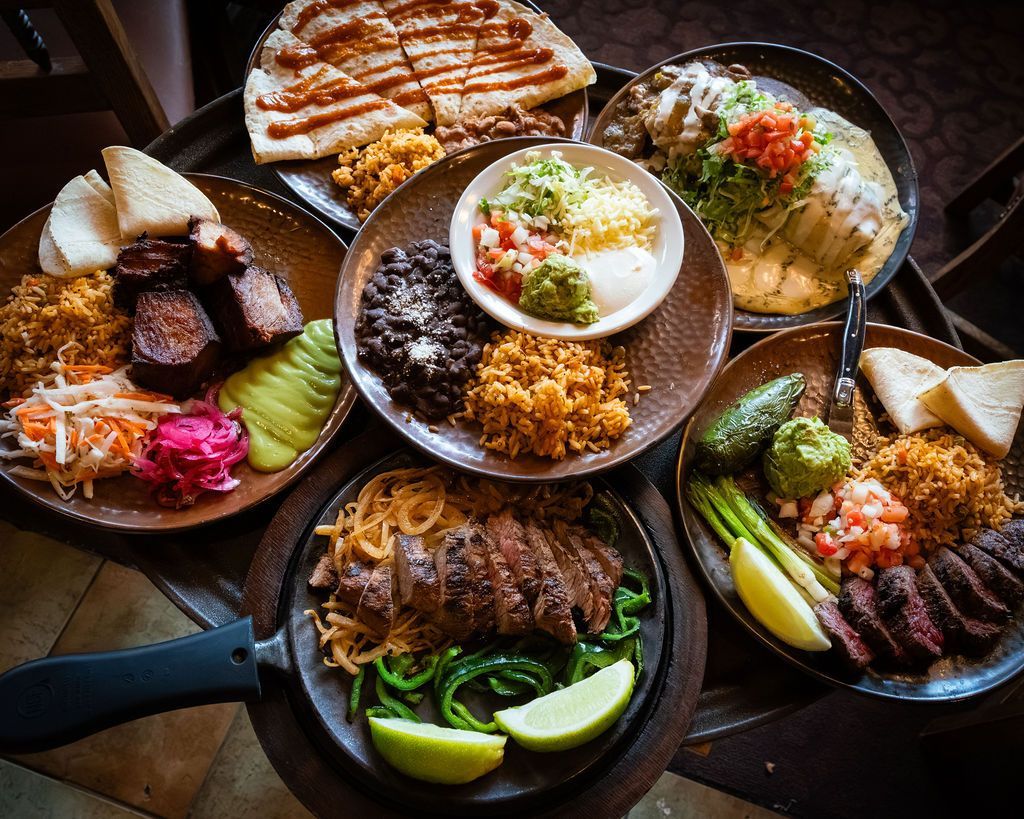
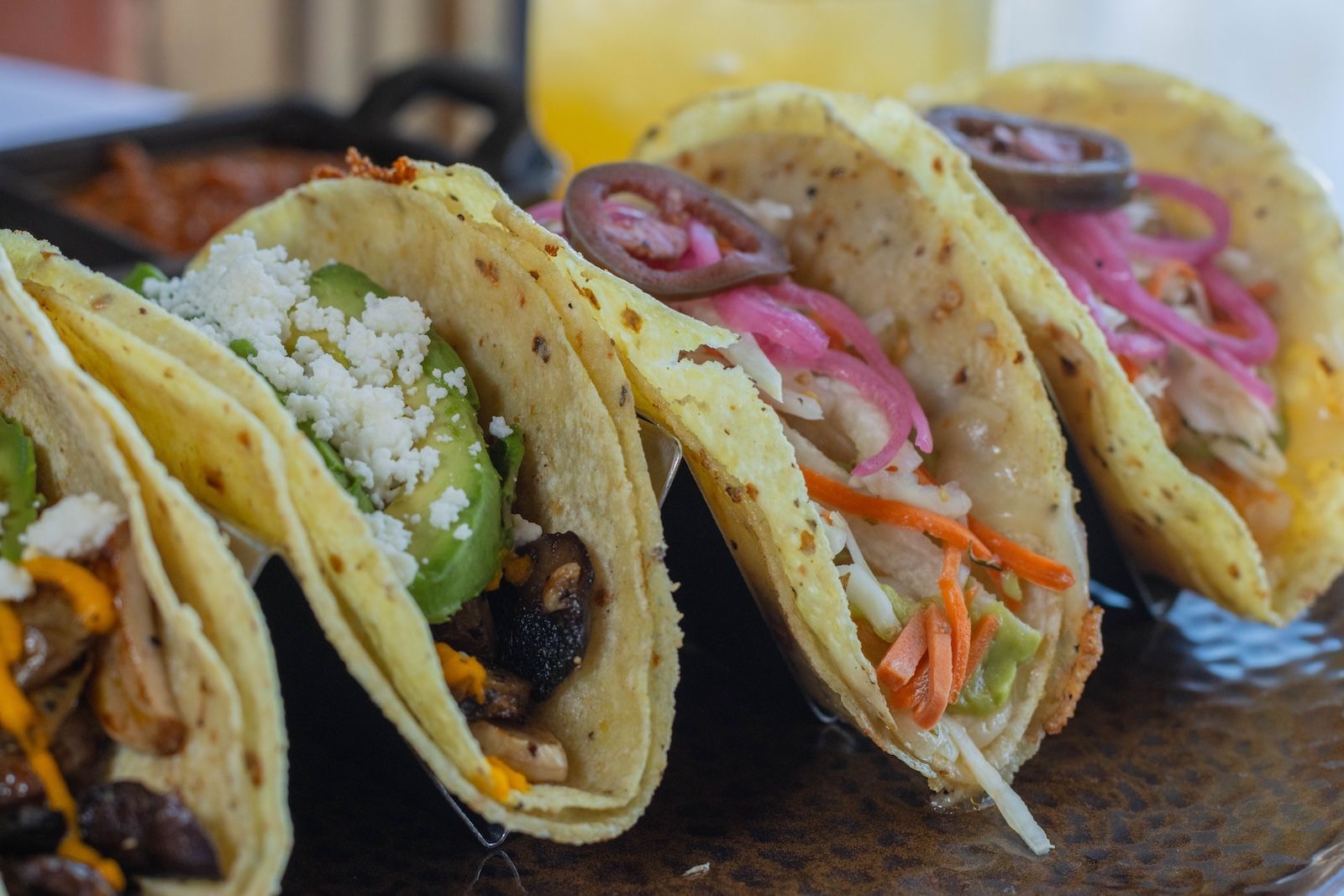
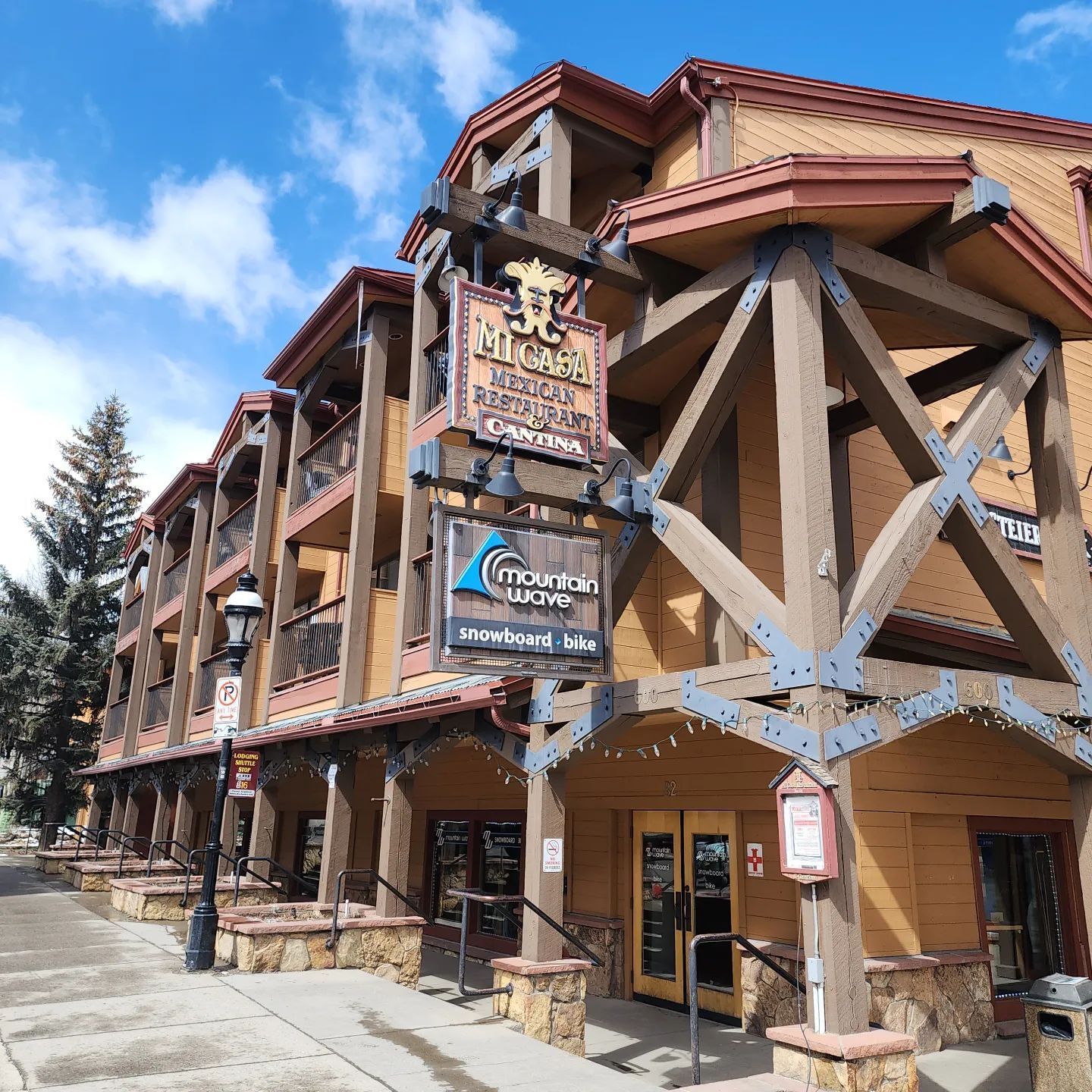
At Mi Casa Mexican Restaurant & Cantina in Breckenridge, we cook many of the flavors on this list all year. Our Quesabirria Tamales wrap braised beef and asadero jack cheese in masa and corn husk, served with consommé. Our Pork Chile Verde and Chicken Tortilla Soup are warm bowls for a cold mountain night. See Quesabirria Tamales and more on our current menu.
Hosting your own holiday gathering? Our catering trays sized for holiday parties serve 12 guests per order and need at least 24 hours' notice for pick-up. For a sit-down holiday party, our upper and lower dining rooms for group celebrations seat up to 50 and 100 guests.
After dinner, take in Breckenridge's December festivities just up the street, or explore the everyday dishes of Mexican cooking that fill our menu the rest of the year.
The body content of your post goes here. To edit this text, click on it and delete this default text and start typing your own or paste your own from a different source.