Types of Tequila: A Guide to Every Style
Tequila is a distilled spirit made from blue agave in a protected region of western Mexico. Mexican rules sort it two ways: by how much agave it contains, and by how long it rests in wood.
There are two categories, 100% agave and plain "tequila," often called mixto. There are five official classes: blanco, joven, reposado, añejo and extra añejo. Cristalino is a popular extra style, but it is not an official class.
This guide explains each type, the aging rules behind it and how the taste changes. It ends with how to pick one, whether you drink it neat or order it in a margarita. To see most of these styles side by side on one shelf, look at Mi Casa's bar and tequila list.
What Are the Types of Tequila?
The types of tequila are the legal categories and classes set by Mexico's tequila standard, NOM-006-SCFI-2012. The Consejo Regulador del Tequila (CRT), the industry's regulator, certifies that each bottle follows it.
Every tequila must be made from Agave tequilana Weber, blue variety. It is the only agave species allowed. It must also come from the protected territory: 181 municipalities across five states, Jalisco, Guanajuato, Michoacán, Nayarit and Tamaulipas.
Within those rules, every bottle carries two labels of identity:
- A category: 100% agave, or tequila (mixto).
- A class: blanco, joven, reposado, añejo or extra añejo.
So a label might read "Tequila 100% de agave, reposado." That tells you the sugar source and the age in one line.
The Two Categories: 100% Agave vs Mixto
The category tells you where the sugar came from before fermentation.
- Tequila 100% de agave: 100% blue agave (other sugars allowed: None; where it is bottled: Inside the protected territory)
- Tequila (mixto): At least 51% blue agave (other sugars allowed: Up to 49% other sugars; where it is bottled: Inside or outside the territory)
100% agave tequila is made only from the sugars of blue agave. It must be bottled at the place of origin. Most premium bottles fall in this category, and the label says "100% agave" or "100% de agave" clearly.
Mixto is the trade name for the plain "Tequila" category. It must contain at least 51% agave sugars. Up to 49% can come from other sugars, and it may be shipped in bulk and bottled outside the region. A mixto label simply says "Tequila," with no 100% claim.
Both categories can appear in any class. A blanco can be 100% agave or mixto. So can a reposado.
The Five Official Classes of Tequila
The class tells you how the tequila was finished after distillation. Four classes are set by time in wood. The fifth, joven, is a blend.
Blanco (Silver or Plata)
Blanco is tequila straight from the still. Only its strength is adjusted, with water, before bottling. The CRT sets no minimum aging.
Some producers rest blanco briefly in steel or wood, but under two months. Blanco is also sold as "silver" or "plata." These names mean the same class.
Blanco shows the agave most directly. It is clear, bright and often peppery or herbal. It is the usual base for a margarita or a paloma.
Joven (Gold or Oro)
Joven means "young." Under the CRT definition, it is a blend of blanco with reposado, añejo or extra añejo.
Gold or "oro" tequila also sits in this class. Many gold tequilas are mixtos colored with caramel, rather than blends of aged spirit. So "gold" on a label does not mean the tequila spent time in a barrel.
Reposado
Reposado means "rested." It must rest at least two months, but less than one year, in oak barrels or larger vats called pipones.
The wood softens the spirit and adds a pale straw or golden color. Reposado keeps much of the agave flavor while adding light vanilla and spice. It works both neat and in cocktails.
Añejo
Añejo means "aged." It must age at least one year, but less than three, in oak barrels of no more than 600 liters.
The small barrel size matters. More of the spirit touches the wood, so it picks up color and flavor faster. Añejo is darker, rounder and richer than reposado, and is usually sipped.
Extra Añejo
Extra añejo must age at least three years in oak barrels of no more than 600 liters. It became an official class in 2006, with the NOM-006-SCFI-2005 standard.
This is the oldest and usually the most expensive class. Long aging gives deep amber color and strong oak notes. Most people sip it slowly, like an aged brandy or whiskey.
Cristalino and Other Unofficial Styles
Some tequila styles on store shelves are not official NOM classes.
- Cristalino: aged tequila, usually añejo, filtered to remove its color. It looks like a blanco but keeps some of the smooth texture of the aged spirit. The label shows the legal class, such as "añejo," next to the word cristalino.
- Rosa: young tequila lightly rested in red wine barrels, which gives a pink tint. Like cristalino, it is not a NOM class.
- Flavored tequila: the CRT has allowed flavored tequila since 2004, but not in the 100% agave category.
When a bottle uses a style name, look for the official class and category on the label too. Those two lines tell you what is really inside.
Tequila Aging Rules at a Glance
- Blanco: Silver, plata (minimum time in wood: None; maximum time: Under 2 months; barrel rule: Not set)
- Joven: Gold, oro (minimum time in wood: Blend; maximum time: Blend; barrel rule: Blend of blanco and aged tequila)
- Reposado: Rested (minimum time in wood: 2 months; maximum time: Under 1 year; barrel rule: Oak barrels or pipones)
- Añejo: Aged (minimum time in wood: 1 year; maximum time: Under 3 years; barrel rule: Oak, 600 liters maximum)
- Extra añejo: Extra aged (minimum time in wood: 3 years; maximum time: No limit; barrel rule: Oak, 600 liters maximum)
- Cristalino: Not a NOM class (minimum time in wood: Depends on base; maximum time: Depends on base; barrel rule: Aged, then filtered clear)
Every class must be bottled between 35% and 55% alcohol by volume, or 70 to 110 US proof.
How Each Type Is Made
All tequila starts the same way. The class is decided only at the end.
- Growing: blue agave grows for years before harvest. From planting to finished product, the process can take five to eight years.
- Harvest (jima): workers called jimadores cut the leaves with a sharp tool called a coa. They keep the heart, or piña.
- Cooking: the piñas are cooked to turn their stored carbohydrates into fermentable sugar. In modern ovens this can take up to six hours at 120 to 125 °C.
- Extraction: the cooked agave is shredded or crushed, sometimes under a stone wheel called a tahona, to release the juice.
- Fermentation: yeast turns the sugars into alcohol in wooden or steel vats.
- Distillation: the liquid is distilled at least twice. The result is blanco tequila.
- Aging: blanco is bottled now. Reposado, añejo and extra añejo go into oak for their set time.
A mixto follows the same steps, except that up to 49% of the sugar in step 5 can come from another source.
How Aging Changes the Taste
Time in oak changes tequila in three ways.
- Color: the spirit moves from clear to straw, gold and amber.
- Flavor: cooked agave, citrus and pepper fade a little. Notes of vanilla, caramel and toasted wood grow.
- Texture: aged tequila tastes rounder and softer on the palate.
Blanco tastes most like the plant. Extra añejo tastes most like the barrel. Reposado sits in the middle, which is why many drinkers start there.
One caution: color alone does not prove age. Mexican rules allow small amounts of caramel color and oak extract, so a dark tequila is not always an old one. The guide on how to choose a good bottle of tequila explains these additives and how to read the label.
Which Type of Tequila to Choose
Pick the type by how you plan to drink it.
- Margaritas and palomas: Blanco (why: Bright agave flavor that stands up to lime)
- Highballs with soda or juice: Blanco or reposado (why: Clean or lightly oaked base)
- Sipping, first time: Reposado (why: Agave and oak in balance)
- Sipping after dinner: Añejo or extra añejo (why: Rich, wood-driven, slow to drink)
- Looks like blanco, tastes aged: Cristalino (why: Aged spirit, filtered clear)
For a fresh-lime cocktail, start with a 100% agave blanco and follow a classic lime margarita method. For long drinks, see the best mixers for a blanco, from grapefruit soda to ginger beer.
Whatever the type, the category matters as much as the class. A 100% agave reposado and a mixto reposado can taste very different.
How Tequila Relates to Mezcal
Tequila belongs to a wider family of agave spirits. Mezcal can be made from many agave species, while tequila uses only blue agave and comes from its own protected region.
The two also differ in how the agave is cooked. Traditional mezcal roasts the piñas in earthen pits, which gives its smoky flavor. You can read more about the wider family of agave spirits called mezcal, or see how mezcal differs from tequila point by point.
Frequently Asked Questions
What is the difference between blanco and silver tequila?
There is no difference. Blanco, silver and plata are three names for the same class: unaged tequila bottled straight from the still, or rested less than two months.
Is gold tequila the same as reposado?
No. Gold tequila belongs to the joven class. It can be a blend of blanco and aged tequila, but many gold bottles are mixtos colored with caramel. Reposado must rest at least two months in oak.
Which type of tequila is the smoothest?
Aged classes usually feel smoother because oak softens the spirit. Añejo and extra añejo are the softest, and reposado is a good middle step. Cristalino is also known for a smooth, mellow texture.
What is the best type of tequila for margaritas?
A 100% agave blanco is the classic choice. Its bright agave flavor works with lime and orange liqueur. Some bars use reposado for a rounder margarita, and Mi Casa's house margarita uses a reposado.
Is cristalino tequila aged?
Yes. Cristalino starts as an aged tequila, often añejo, and is then filtered to remove its color. It is not an official NOM class, so the label also shows its legal class.
How many types of tequila are there?
There are two categories (100% agave and mixto) and five official classes (blanco, joven, reposado, añejo and extra añejo). Cristalino and rosa are common styles outside the official list.
Every Type of Tequila at Mi Casa
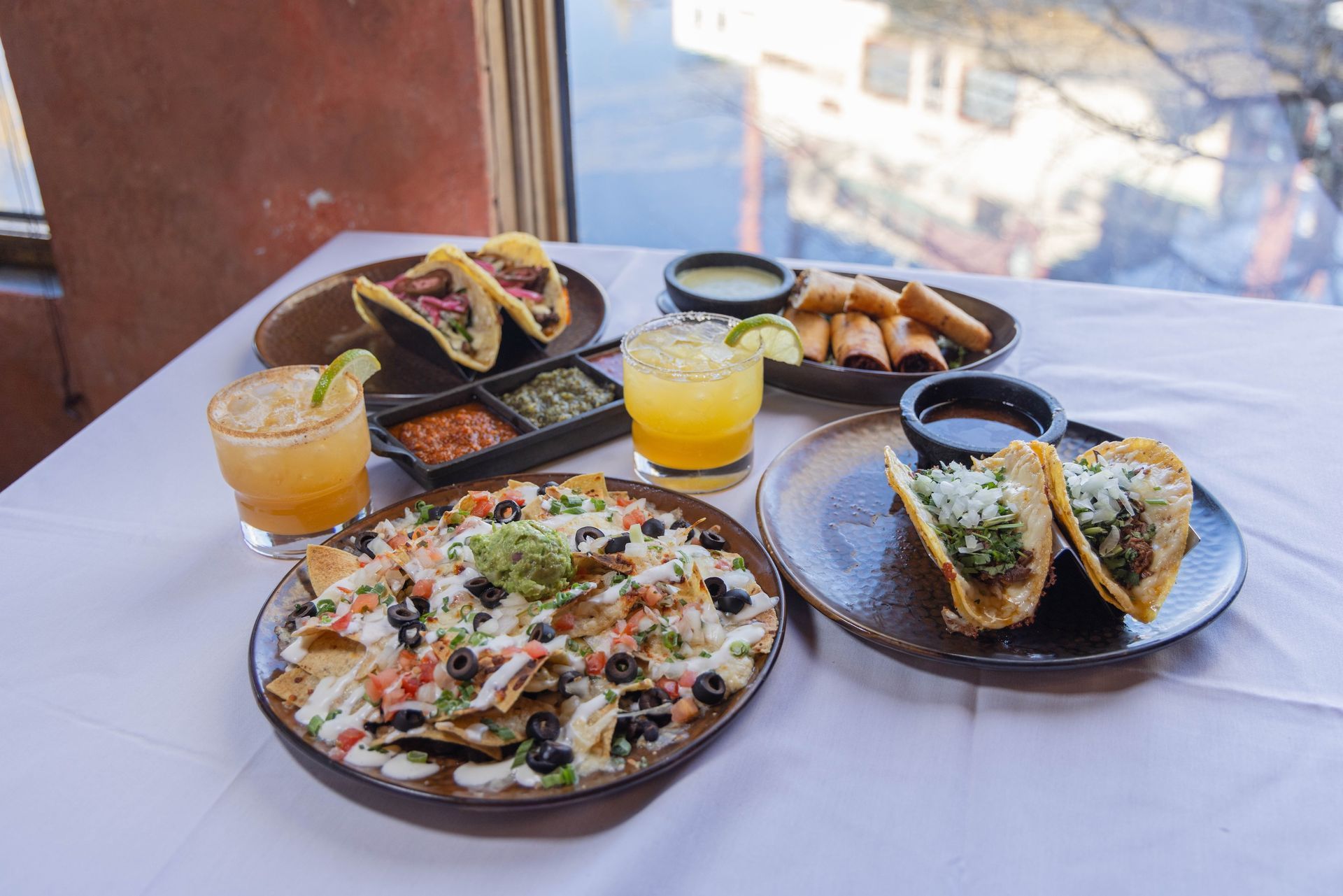
At Mi Casa Mexican Restaurant & Cantina in Breckenridge, we pour blanco, reposado and añejo from the same houses, so you can taste one brand through each class. Names like Siete Leguas, Chinaco, Herradura and Don Julio appear in all three columns of our list.
We also keep a sipping shelf with cristalinos such as Avión Cristalino and Casa Loy Cristalino, and añejos like Casa Dragones. With over 100 tequila selections, steps from the Peak 9 base, it is an easy place to compare styles. Start with one of our house margaritas, then move on to a reposado neat. Please drink responsibly.