Best Tequila: How to Choose a Good Bottle
The best tequila is a bottle made from 100% blue agave that suits the way you plan to drink it. No single brand wins for everyone. A good blanco for margaritas is a poor choice for slow sipping, and the reverse is also true.
So the real skill is reading the bottle. Look for "100% agave," check the class, find the NOM number and know which additives the rules allow. Then match the style and price to the drink.
This guide walks through each step, with example bottles at every level. Many of them sit on the full tequila list at Mi Casa, so you can order a pour before you buy a bottle.
What Makes a Tequila the Best?
A good tequila shows the cooked agave it was made from. Four things decide whether a bottle does that.
- Agave content: 100% agave tequila uses only the sugars of blue agave. Plain "tequila," called mixto, needs only 51%.
- Class: blanco, reposado, añejo and extra añejo each suit a different drink.
- Producer: every legal tequila carries a NOM number that names its distillery.
- Additives: small amounts of four additives are allowed, and they can change the taste.
Price matters less than these four. A well-made blanco can beat an expensive añejo in a margarita.
How to Read a Tequila Label
A tequila label carries the facts you need, if you know where to look. The Consejo Regulador del Tequila (CRT) puts it simply: without a label, it is never tequila.
Look for "100% Agave"
Find the words "100% agave" or "100% de agave." This means every fermentable sugar came from Agave tequilana Weber, blue variety, and the tequila was bottled in the region of origin.
If the label says only "Tequila," it is a mixto. It can contain up to 49% other sugars and may be bottled outside Mexico's protected territory. Mixtos are cheaper, but they carry less agave flavor.
Check the Class
The class tells you how the tequila was finished.
- Blanco: straight from the still, best for cocktails.
- Reposado: rested two months to under a year in oak.
- Añejo: aged one to under three years in small oak barrels.
- Extra añejo: aged three years or more.
Gold or "joven" is a blend, and many gold tequilas are mixtos colored with caramel. For the full rules behind each style, see each class of tequila, from blanco to extra añejo.
Find the NOM Number
Every bottle carries "NOM" followed by a number. That number identifies the distillery that made the tequila. The digits are not a location code.
The NOM number is useful because many brands share one distillery. Two bottles with the same NOM come from the same producer, even if the brand names differ. The CRT offers an online search of certified brands and companies to check a name.
Alcohol Strength
Mexican rules allow tequila between 35% and 55% alcohol by volume, or 70 to 110 US proof.
Some brands sell a higher-proof bottling. Casa Loy High Proof on the Mi Casa sipping list is one example. Higher strength carries more flavor, and also more heat.
Additives in Tequila: What Is Allowed
Tequila rules permit four additives, called abocantes. A tequila can still be labeled "100% agave" if they total 1% or less.
- Glycerin: Gives a thicker, smoother texture
- Caramel color: Makes the spirit look older
- Oak extract: Adds barrel-like flavor and some tannin
- Jarabe (syrup): Adds sweetness
Additives are legal and do not make a tequila unsafe. But they can mask the agave and make a young tequila taste like an older one. Caramel color and oak extract can show up in blanco tequila too.
Labels do not list additives. Taste is the best guide. Signs include a syrupy feel, a color too dark for the class, and strong vanilla, caramel or cake-batter notes. A clean tequila tastes of cooked agave, pepper and citrus.
Some brands promote their bottles as additive-free, and Patrón is among the brands named as additive-free. If this matters to you, ask the brand or your bartender, and trust your palate.
Best Tequila by Use
Choose the style for the drink first. Then choose the brand.
Best Blanco Tequila for Margaritas
Pick a 100% agave blanco with clear agave flavor at a fair price. Lime and orange liqueur hide subtle notes, so a top sipping blanco is wasted here.
On the Mi Casa list, blancos such as El Jimador, Milagro, Espolón, Corralejo and Herradura sit in the first price columns. The house margaritas use El Jimador Silver and Tierra Zafiro Silver, and the Paloma uses Herradura Silver. For the method, follow the guide to shaking a margarita at home. For highballs, see mixers that suit an everyday blanco.
Best Tequila for Sipping
For sipping, move up to a reposado or añejo, or a premium blanco. Drink it neat at room temperature.
The Mi Casa sipping shelf shows the range: Casa Dragones Blanco and Añejo, Clase Azul Plata, Reposado and Añejo, Don Julio 1942, Herradura Suprema and Herradura Legend, and Suerte 7yr Añejo. Avión 44 and Herradura Ultra Añejo also sit there.
Best Tequila for Cristalino Fans
Cristalino is aged tequila filtered clear. It is not an official class, so check the label for the base class, usually añejo. On the Mi Casa list, Avión Cristalino, Casa Loy Cristalino and Cenote Añejo Cristalino represent the style.
Best Tequila on a Budget
On a budget, buy a 100% agave blanco or reposado from a large, established house rather than a mixto. A plain bottle from a known distillery often beats a fancy bottle with a low agave content.
Tequila Price Tiers
Tequila prices fall into rough tiers. The Mi Casa list groups its pours the same way, with each column a step up in price.
- Everyday mixing: 100% agave blanco and reposado (example bottles from the Mi Casa list: El Jimador, Milagro)
- Mid-shelf: Blanco, reposado, añejo (example bottles from the Mi Casa list: Corralejo, El Mayor, Espolón, Herradura, Maestro Dobel)
- Premium: All classes (example bottles from the Mi Casa list: 123, 1921, Avión, Casamigos, Cazadores, Siete Leguas, Tres Generaciones)
- Top shelf: All classes (example bottles from the Mi Casa list: Casa Noble, Chinaco, Don Julio, Patrón)
- Sipping specials: Aged, cristalino, high proof (example bottles from the Mi Casa list: Clase Azul, Casa Dragones, Don Julio 1942, Herradura Suprema)
Price reflects aging, small-batch methods and brand marketing. Only the first two show up in the glass.
How to Taste Tequila
Tasting tells you more than any label. Follow a few simple steps.
- Use the right glass: a small stemmed glass concentrates the aroma. The CRT approved the Riedel Ouverture as an official tequila glass in 2002.
- Look: blanco should be clear. Aged tequila ranges from straw to amber.
- Smell: breathe gently. Look for cooked agave, citrus, pepper and, in aged tequila, wood.
- Sip: take a small sip and hold it. Note sweetness, spice and how long the flavor lasts.
- Compare: taste one brand's blanco, reposado and añejo side by side.
In Mexico, tequila is traditionally drunk neat or with sangrita. Sangrita is a sweet, sour and spicy chaser made from orange juice, grenadine or tomato juice, and chili. Salt and lime are more common outside Mexico.
Tequila also pairs well with food. Bright blancos suit lime-cured ceviche and other citrus dishes. Aged tequilas suit grilled meat.
How to Store Tequila
Store tequila upright in a cool, dark place. A steady 60 to 65 °F, away from direct sunlight, keeps it stable.
Once a bottle is open, keep the cap tight and the bottle out of the sun.
Common Mistakes When Buying Tequila
- Trusting the color: gold color can come from caramel, not barrels.
- Skipping the agave line: a missing "100% agave" means a mixto.
- Paying for the bottle: heavy glass and celebrity names add cost, not flavor.
- Looking for a worm: tequila rules do not allow worms in bottles. The worm belongs to some mezcals.
- Wanting smoke: tequila is not usually smoky. If you like smoke, try a smoky mezcal instead.
Frequently Asked Questions
What is the best tequila for beginners?
A 100% agave reposado is a good start. It keeps the agave flavor but feels softer than a blanco. Try it neat, then in a margarita, to learn what you like.
Is expensive tequila worth it?
Sometimes. Higher prices often reflect longer aging and smaller production, which can show in the glass. But price also covers marketing and fancy bottles, so taste before you pay top dollar.
What does NOM mean on a tequila bottle?
NOM stands for Norma Oficial Mexicana, the Mexican standard tequila must follow. The number after it identifies the distillery that made the tequila.
Is 100% agave tequila better?
For most drinkers, yes. It uses only blue agave sugars, while a mixto can use up to 49% other sugars. Most premium tequilas are 100% agave.
Does tequila have a worm?
No. Tequila rules do not allow a worm in the bottle. The worm, a moth larva, appears only in some bottles of mezcal.
What tequila should I buy for National Tequila Day?
Buy one bottle in the style you drink most. A blanco serves margaritas and palomas, and a reposado works both neat and mixed. Ideas for the day are in the guide to a bottle for National Tequila Day.
Find Your Bottle at Mi Casa
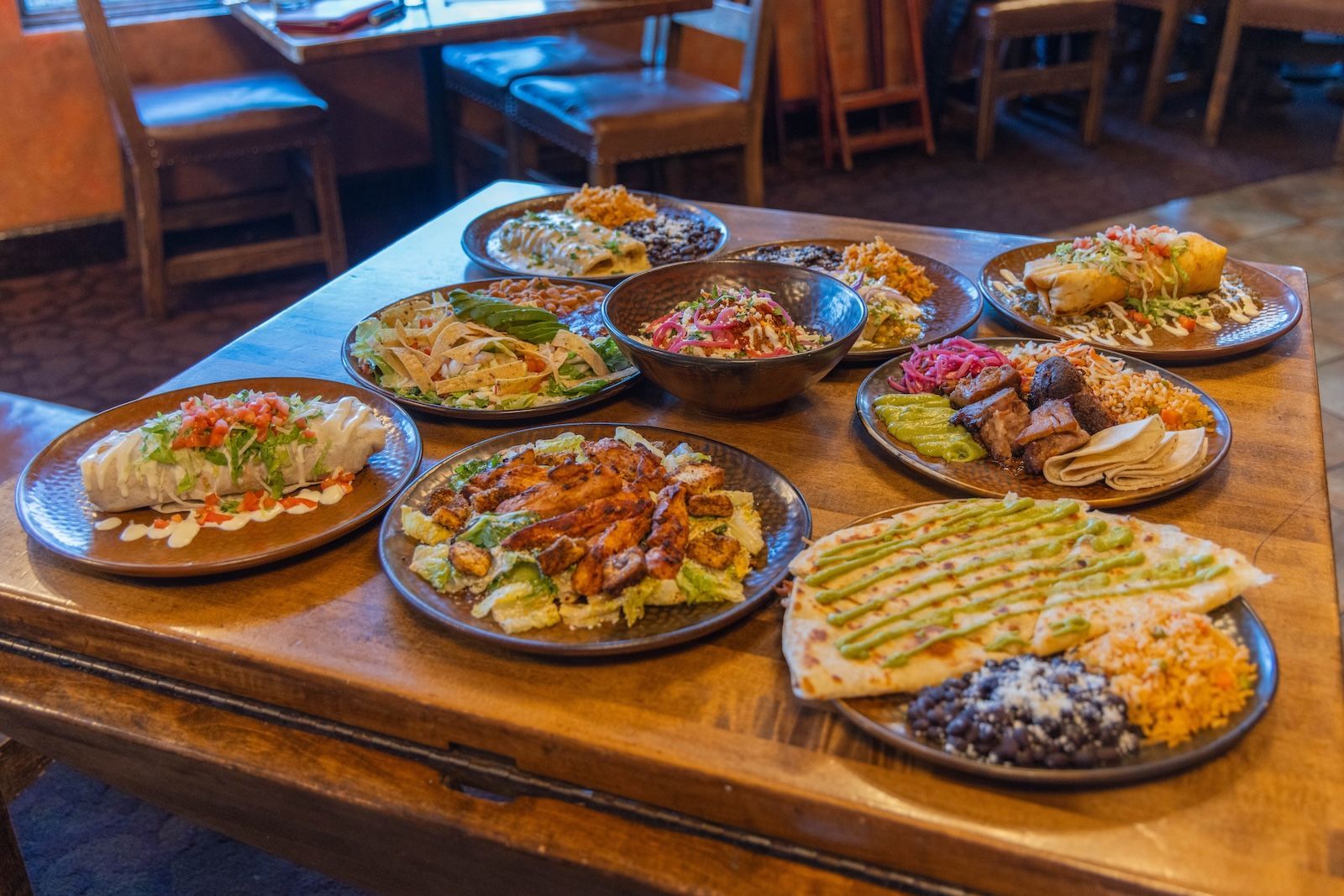
At Mi Casa Mexican Restaurant & Cantina in Breckenridge, we keep over 100 tequila selections, the largest tequila list in Summit County. That makes our bar an easy place to try before you buy.
Order a blanco, reposado and añejo from one house, such as Siete Leguas or Chinaco, and taste the difference. Come by during our cantina happy hour, 2 to 5 pm daily, and pair your pour with something from the Mi Casa food menu. Please drink responsibly.