What Is Flan Made Of? Meaning, Ingredients and Origin
Flan is a baked custard dessert with a layer of soft caramel on top. It is called crème caramel in French and is also known in English as caramel custard.
Flan is made of eggs, milk and sugar. Some of the sugar is cooked into a caramel and poured into the mold first. The rest is whisked with eggs, milk and usually vanilla, then baked gently in a water bath. Many Mexican recipes use sweetened condensed and evaporated milk, and some add cream cheese.
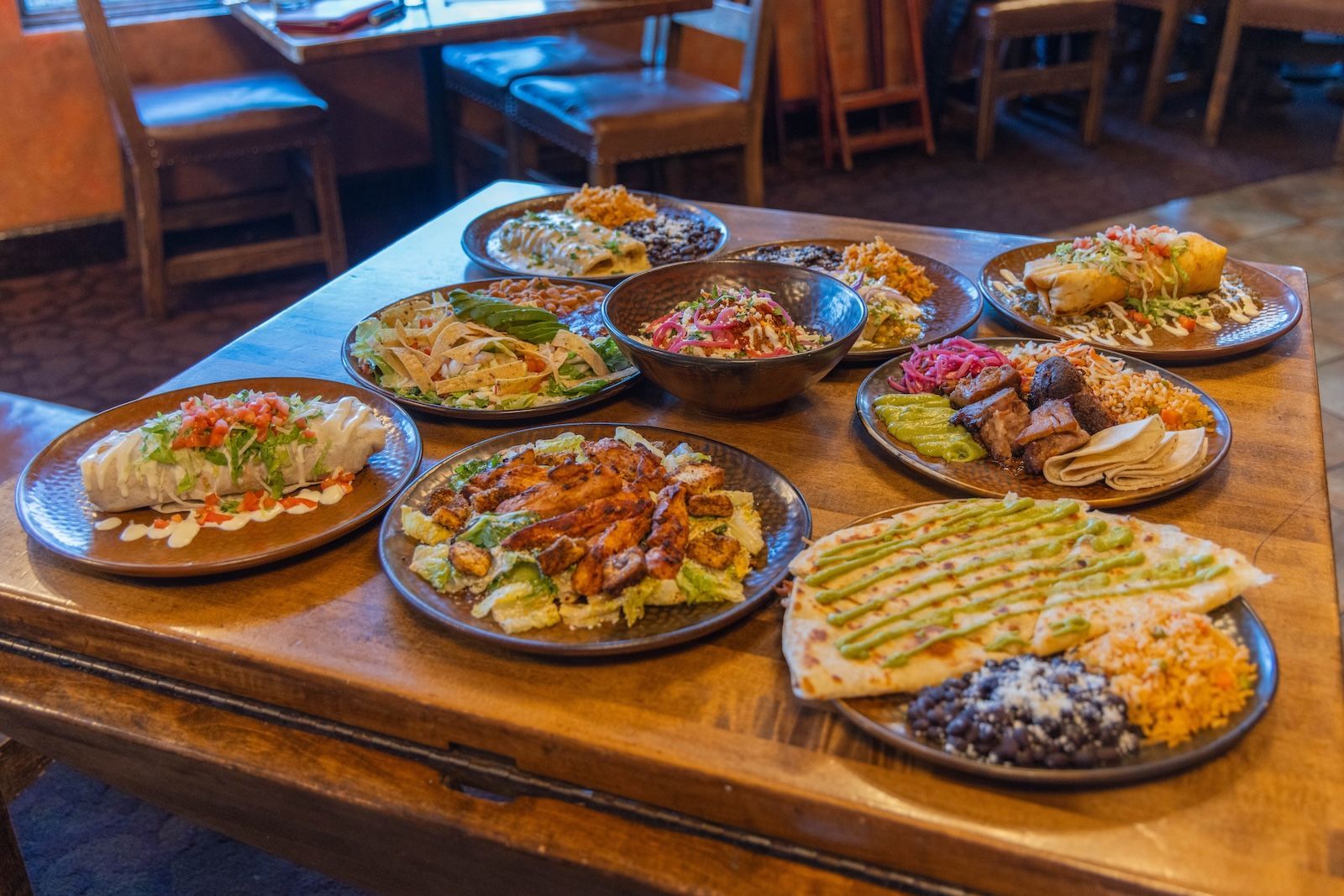
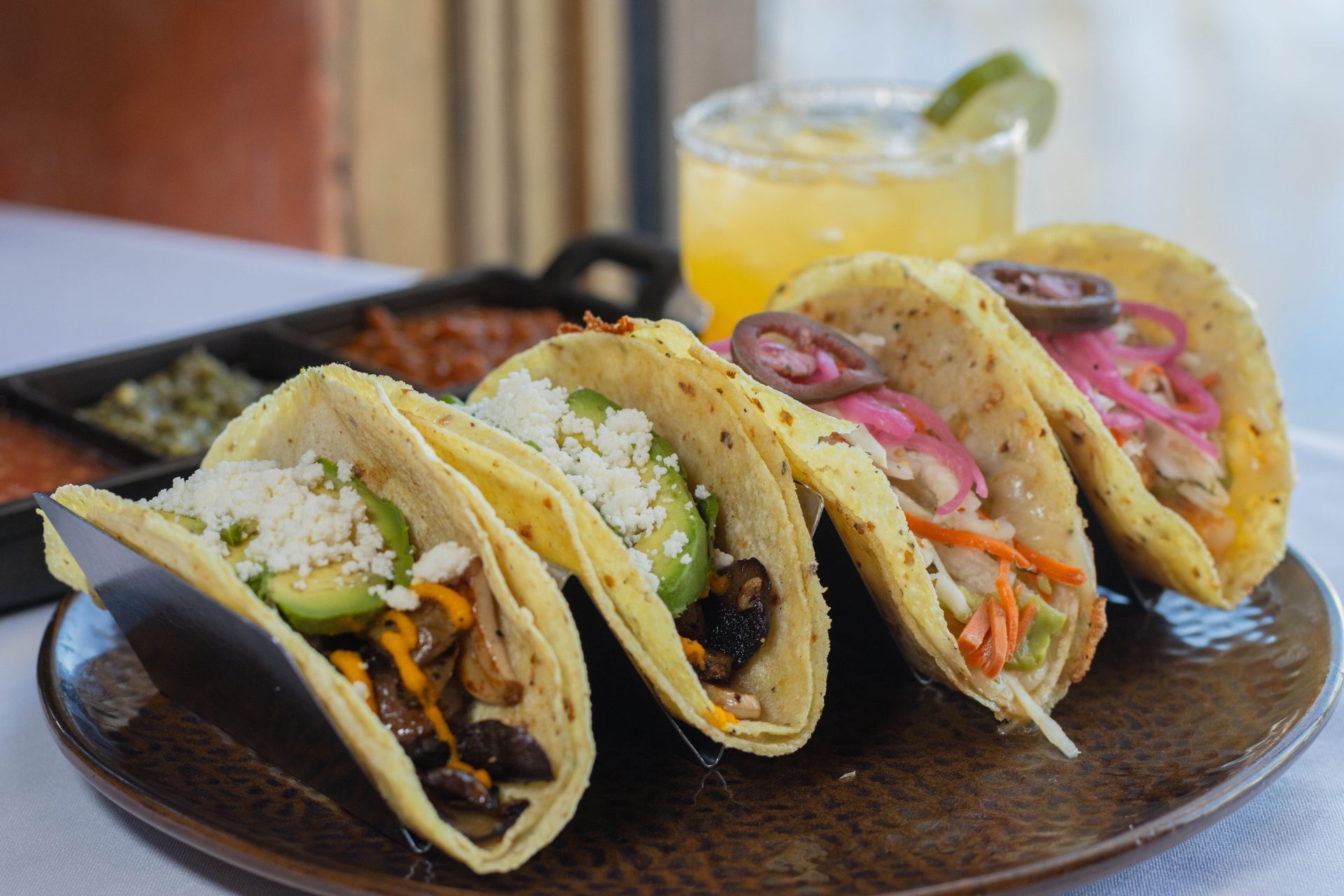
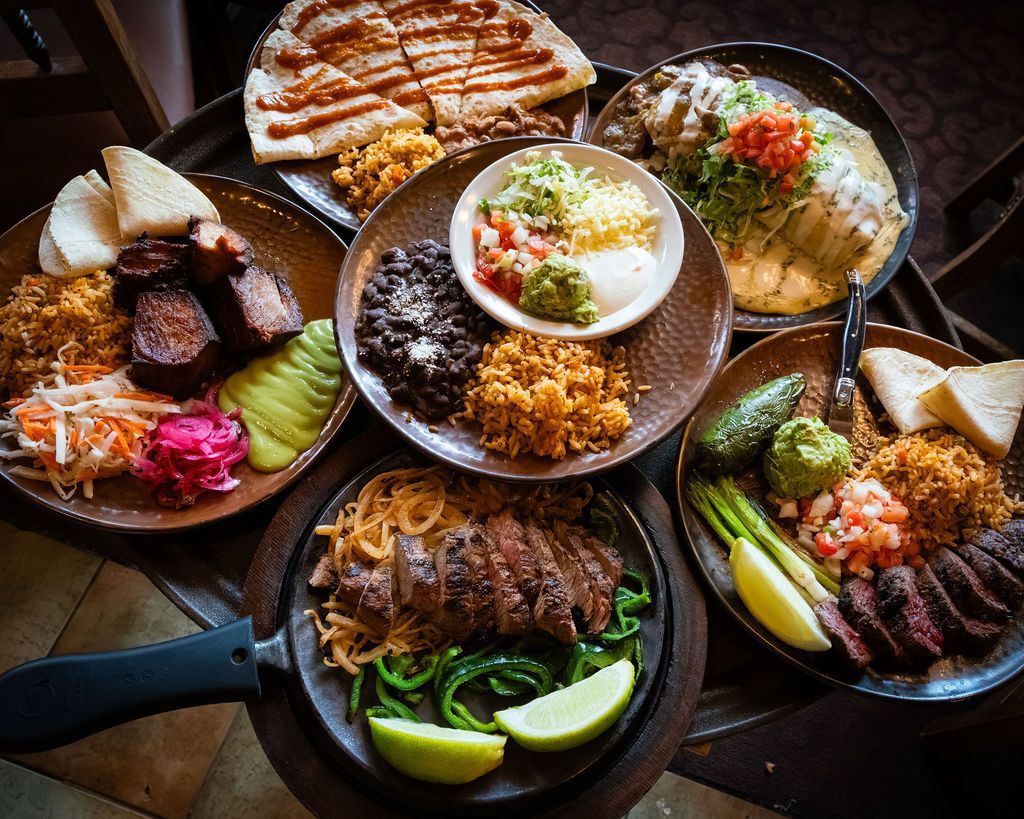
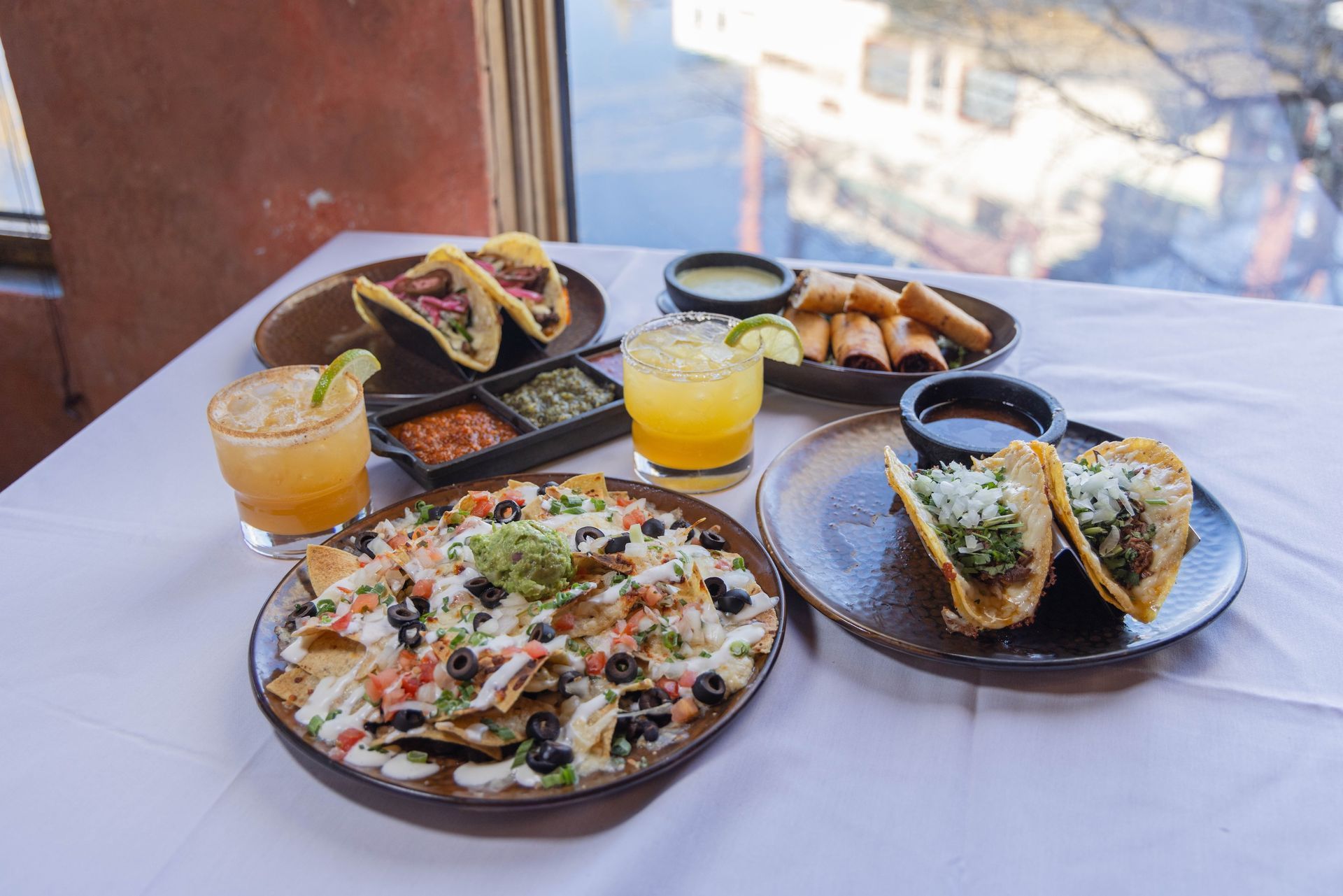
This guide explains each ingredient, what the word flan means, where the dessert comes from and how it is made. It also covers the main types of flan, including the Mexican versions you can eat for dessert at Mi Casa after a plate of scratch-made Breckenridge tacos.
What Is Flan?
Flan is a variant of plain custard. Sugar syrup cooked to the caramel stage is poured into the mold, then the custard base goes on top. After baking, the flan is turned over onto a plate, so the caramel becomes a sauce on top.
It is usually cooked in a water bath in the oven, or in a bain-marie on the stovetop. Its texture is creamy and slightly gelatinous, smooth enough to cut with a spoon.
Some popular variants are called flan in Spanish-speaking countries, in the United States and in parts of Southeast Asia. In France and much of Europe, the same dessert is crème caramel.
What Is Flan Made Of?
Classic flan has two parts: the caramel and the custard. Here is what goes in each.
The caramel: - Granulated sugar - Sometimes a little water, to help the sugar melt evenly
The custard: - Eggs. Whole eggs, or whole eggs plus extra yolks for a richer flan. - Milk. Whole milk or cream, or canned evaporated or sweetened condensed milk. - Sugar. Only if the milk is unsweetened. Condensed milk already carries the sugar. - Flavoring. Vanilla is the most common. Cinnamon and lemon peel are also traditional.
Optional additions: - Cream cheese, for a denser, creamier flan - Coconut or coconut milk - Coffee - Cajeta, a goat's milk caramel, in place of plain caramel
Mexican flan napolitano, for example, uses 1 cup sugar for the caramel. Its custard uses 4 eggs, 8 oz cream cheese, a 14 oz can of condensed milk, a 12 oz can of evaporated milk and vanilla.
What Each Ingredient Does
- Eggs: Their proteins set the custard into a gel when heated (what happens without it: The custard stays liquid)
- Egg yolks (extra): Add richness and emulsifiers (what happens without it: A lighter, firmer custard)
- Milk or cream: The liquid base and the creamy flavor (what happens without it: No custard)
- Condensed milk: Sweetness and body in one ingredient (what happens without it: Add sugar instead)
- Sugar (caramel): Becomes the amber sauce on top (what happens without it: Plain baked custard)
- Vanilla: Main flavor (what happens without it: A plain milk-and-egg taste)
- Cream cheese: Thicker, cheesecake-like texture (what happens without it: Classic silky flan)
The eggs do the most work. In a baked custard, the egg proteins coagulate and give the custard its gel structure. Eggs also hold the emulsifiers that keep the custard smooth.
What Does Flan Mean?
The English word flan was borrowed from French around 1846. In some uses for Spanish and Latin American desserts, it came through the Spanish flan, which itself came from French.
Both trace back to the Old French flaon. That came from the Late Latin flado, meaning "flat cake," from a Frankish word for a flat cake. The German Fladen, a flatbread, shares the same root.
Flan in English
In American English, flan means the caramel custard. In British English, a flan is usually an open, crust-based tart, sweet or savory. The custard is called crème caramel in the UK.
That split explains a common confusion. A "fruit flan" in a British bakery is a pastry shell with custard and fruit, not a caramel custard.
The French names describe how it is served. Crème means custard in French, and crème renversée and the Spanish crema volteada both refer to the custard being turned over.
Where Does Flan Come From?
Flan grew out of Europe's long custard tradition and reached Mexico with the Spanish. Its modern form with caramel is more recent than most people think.
- Ancient Rome. Flan is traced to a Roman dish called tyropatina, first a savory dish. A 1st-century recipe credited to the Roman epicure Apicius included honey, eggs, milk and black pepper.
- Middle Ages. Custards baked in pastry were very popular in medieval Europe. Sugar was added to flan recipes in this period, and the dessert became popular in Spain.
- The Americas. In the 16th century, Spanish conquistadors brought their cooking traditions to the Americas, and flan came with them.
- The modern form. Flan as it is made today, with soft caramel on top and cooked in a bain-marie, is first documented in La cuisinière provençale by Jean Baptiste Reboul, published in 1897.
So flan is both Spanish and Mexican. Spain carried it across the Atlantic, and Mexico gave it new forms. Flan napolitano, despite its Italian-sounding name, was created in Mexico during the Spanish colonial period.
For more of the sweets and savory plates that came out of that history, see a tour of traditional Mexican food.
How Flan Is Made
Flan follows the same five steps almost everywhere:
- Make the caramel. Melt sugar in a pan until it turns amber. Pour it into the mold and tilt it to coat the bottom.
- Mix the custard. Blend or whisk the eggs, milk and flavorings until smooth. Strain it for the silkiest result.
- Bake in a water bath. Set the mold in a larger pan of hot water. A typical recipe bakes at 350°F for 50 to 60 minutes, until set but slightly jiggly in the center.
- Chill. Refrigerate at least 4 hours, preferably overnight.
- Invert. Run a knife around the edge, place a plate on top and flip it. The caramel pours over the flan.
The water bath matters. It slows heat transfer, so the custard is easier to pull from the oven before it curdles. It also keeps the caramel from burning.
Temperature is what makes or breaks flan. Custard begins to set at about 158°F and should not go past about 176°F. A rise of just a few degrees beyond that overcooks and curdles it. Egg dishes and custards have a safe minimum internal temperature of 160°F, which falls inside that setting range.
Large flans split easily, so many cooks bake flan in individual ramekins. Small molds also avoid an undercooked center with an overbrowned edge.
Types of Flan
Flan changes by country and by kitchen. These are the best-known types.
Spanish Flan de Huevo
Spain's best-known version is flan de huevo, or egg flan. It is made with eggs, milk and sugar under a layer of caramelized sugar.
Mexican Flan Napolitano
Flan napolitano adds cream cheese to the custard for a creamier, denser texture. It usually uses condensed and evaporated milk.
Flan de Cajeta
This Mexican version replaces the plain caramel with cajeta. Cajeta is dulce de leche made with goat's milk, and cajeta de Celaya is a famous Mexican example.
Chocoflan
Chocoflan is a layered dessert of chocolate cake and flan. It is baked in a Bundt-style pan in a water bath.
Leche Flan
In the Philippines, leche flan is made with condensed milk and only egg yolks. The name comes from the Spanish flan de leche.
Coconut and Coffee Flan
In Costa Rica, flan often features coconut, or coffee as flan de café. Coconut and condensed milk versions are widespread in the Caribbean.
Other Names
Brazil calls it pudim, specifically pudim de leite. Venezuela calls it quesillo, and Vietnam calls it bánh flan.
Flan vs Crème Caramel vs Custard
- What it is: Baked caramel custard (crème caramel: The same dessert, French name; custard: Milk or cream thickened with egg)
- Caramel: Yes, on top after flipping (crème caramel: Yes; custard: Not necessarily)
- Common milk: Often condensed and evaporated (Latin America) (crème caramel: Fresh milk or cream; custard: Milk or cream)
- How it is cooked: Baked in a water bath (crème caramel: Baked in a water bath; custard: Stirred on the stove or baked)
- Served: Turned out of the mold, cold (crème caramel: Turned out of the mold, cold; custard: In a dish, warm or cold)
Every flan is a custard, but not every custard is a flan. Custard is the family name for sweetened milk or cream cooked with egg to thicken it. Flan is one member of that family.
Flan at High Altitude
Flan needs only small changes at high altitude, but timing shifts. Breckenridge sits at about 9,600 feet.
Oven temperatures are not affected by elevation, according to Colorado State University Extension. The water bath is. Water boils at about 194°F at Breckenridge's elevation, compared with 212°F at sea level, based on the CSU boiling-point table.
That lower ceiling still clears the custard's setting range of about 158°F to 176°F, so flan sets normally. But the bath heats the custard more gently, so baking can take longer. Start checking at the usual time and look for a set edge with a slight jiggle in the center.
Caramel needs care too. CSU Extension advises lowering candy finish temperatures by roughly 2°F for every 1,000 feet. With caramel, go by color, not by a sea-level thermometer reading, and pull it at deep amber.
Is Flan Gluten-Free?
Classic flan is naturally gluten-free. Eggs, milk, sugar and vanilla contain no gluten, the protein found in wheat, rye and barley.
Some flans are not. Chocoflan includes a cake layer, which is usually made with wheat flour. Instant flan mixes are thickened with agar or carrageenan in place of eggs, and their flavorings vary. Read labels on mixes and flavorings, and ask the kitchen if you have celiac disease.
Frequently Asked Questions
What is flan made out of?
Flan is made out of eggs, milk and sugar. Part of the sugar becomes a caramel at the bottom of the mold, and the rest goes into a custard of eggs, milk and vanilla. Many Mexican recipes use condensed and evaporated milk.
Is flan Mexican or Spanish?
Both. The custard tradition came from Europe, and flan became popular in Spain before the Spanish brought it to the Americas in the 16th century. Mexico then created its own versions, such as flan napolitano and flan de cajeta.
What does flan taste like?
Flan tastes like sweet, creamy vanilla custard with a slightly bitter caramel sauce. The texture is smooth and soft, close to a set pudding. Versions with cream cheese taste richer, closer to cheesecake.
Is flan the same as custard?
Flan is a type of custard. All custards are milk or cream thickened with egg, and flan adds a caramel layer and is turned out of its mold to serve. Not every custard has caramel or is served inverted.
Why is my flan rubbery or full of holes?
Holes and a rubbery texture mean the custard got too hot. Custard overcooks just a few degrees past its setting point. Bake it in a water bath, avoid over-whisking air into the mix and pull it while the center still jiggles.
Do you need to refrigerate flan?
Yes. Flan is an egg and milk dessert, so keep it in the refrigerator and return leftovers within two hours of serving. Covered, it keeps 3 to 4 days.
For a cold drink alongside, try cold, cinnamon-spiced horchata. If you like milk-soaked desserts, our recipe for three-milk tres leches cake is the other classic.
Flan at Mi Casa
At Mi Casa Mexican Restaurant & Cantina, our flan is a classic, silky baked vanilla custard with caramel. It is marked gluten-free on our Mi Casa dessert menu, next to sopapillas, churros with Mexican chocolate dipping sauce, and tres leches.
Flan is a natural end to a taco night. Our guide to rounding out a taco dinner covers the plates that come first.
We have cooked from scratch in Breckenridge since 1981, steps from the Peak 9 base. Check our allergen reference for every dish before you visit.