Breckenridge Ski Resort Guide: Peaks, Lifts and Tips
Breckenridge Ski Resort is a ski area on five peaks of the Tenmile Range, directly above the town of Breckenridge, Colorado. It opened on December 16, 1961, and Vail Resorts has owned it since 1996.
The resort has 2,908 skiable acres, 187 trails and 35 lifts. Its summit sits at 12,998 feet on Peak 8, and its base sits at 9,600 feet. For the 2026-27 winter, the resort lists opening day as November 6.
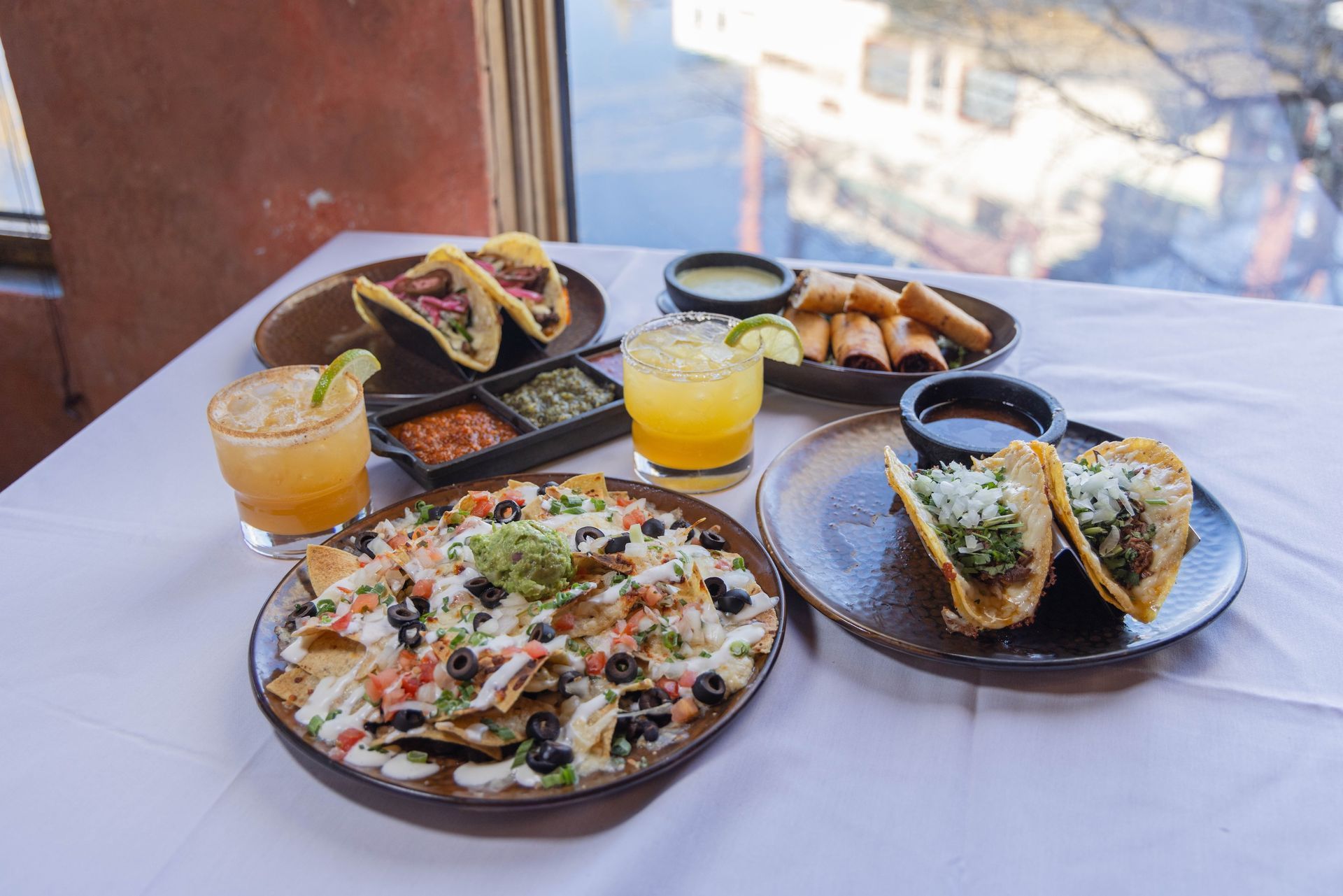
This guide covers each peak, terrain by ability, the lifts and their hours, getting to the slopes, lift tickets, the season, skiing back to town, altitude and first-timer tips. When the lifts close, the Peak 9 base is a short walk from après-ski at Mi Casa, where skiers eat and drink after the last run.
Breckenridge Ski Resort at a Glance
These are the resort's key statistics, as Breckenridge Ski Resort publishes them on its mountain information page.
- Peaks: 5 (Peaks 6, 7, 8, 9 and 10)
- Skiable terrain: 2,908 acres
- Trails: 187
- Lifts: 35
- Summit elevation: 12,998 ft (Peak 8)
- Base elevation: 9,600 ft
- Average snowfall: 355 inches
- Terrain parks: 3
- Terrain above treeline: 40%
- Highest lift: Imperial Express SuperChair, 12,840 ft
- Longest run: Four O'Clock, 3.5 miles
From the 9,600-foot base to the 12,998-foot summit, the span is 3,398 feet. The resort does not list an official vertical figure, so treat that as the gap between the two published elevations.
Two numbers stand out. Forty percent of the terrain is above treeline, which means wide, open bowls with no trees. And the snowfall average is high even by Colorado standards.
A Short History of Breckenridge Ski Resort
Breckenridge Ski Resort opened on December 16, 1961, with trails on Peak 8. The town below it began as a 19th-century mining camp, and skiing gave it a second life.
The resort grew one peak at a time. Here is the order, according to the resort's history as recorded on Wikipedia:
- 1961: Peak 8 opens, the original mountain.
- 1970 to 1978: Peak 9 is developed with four double chairlifts and one triple chairlift.
- 1985: Peak 10 opens with Lift F.
- 2002: Peak 7 intermediate terrain opens with the Independence SuperChair. Its base area follows in 2008.
- 2005: The Imperial Express SuperChair opens, topping out at 12,840 feet.
- 2007: The BreckConnect Gondola opens to the public, linking town to Peaks 7 and 8.
- 2013: Peak 6 opens on December 25 with the Zendo and Kensho SuperChairs, adding 543 acres.
Ownership changed several times. The Aspen Skiing Company bought the resort in 1970. Ralston-Purina bought it in 1993, and Vail Resorts acquired Breckenridge and Keystone in 1996.
Breckenridge is often described as one of the most visited ski resorts in the Western Hemisphere. It first passed one million skier visits in the 1987-88 season.
The Five Peaks of Breckenridge
Breckenridge spreads across five peaks, numbered 6 through 10. Each peak has its own character, so the best peak depends on how you ski.
Peak 6
Peak 6 is high-alpine terrain for advanced intermediates and experts. It opened in 2013, served by the Kensho and Zendo SuperChairs. The Kensho chair is a six-seat lift that climbs above timberline to 12,302 feet.
The resort points advanced intermediates to Bliss and experts to the Six Senses, a set of steep chutes. There is no base area on Peak 6; skiers reach it from Peak 7.
Peak 7
Peak 7 is the peak for intermediate cruising. Below treeline, the Independence and Freedom SuperChairs serve wide, rolling, groomed trails.
Above treeline, Peak 7 turns serious, with steep bowl skiing reached by the T-bar and the Imperial Express. Whale's Tail, a large cornice, connects Peaks 7 and 8. The Peak 7 base is the resort's smallest, with lift tickets, rentals and food. The BreckConnect Gondola stops here on its way up from town.
Peak 8
Peak 8 is the heart of the resort, with terrain for every level. It is where skiing at Breckenridge began in 1961.
The Peak 8 base is the flagship. It holds the lift ticket and season pass office, the Ski and Ride School headquarters and rental shops. The gondola ends here. At the top, the Imperial Express serves Imperial Bowl and the Lake Chutes, the resort's most exposed expert terrain.
Peak 9
Peak 9 is the peak for learning and easy progression. Mellow learning areas sit at the bottom, and wide intermediate runs sit at the top.
Peak 9 has two base areas, the Village and Beaver Run, both with lift tickets, ski school and rentals. It is the closest base to downtown. The Quicksilver SuperChair rises from the Village side, a short walk from South Park Avenue.
Peak 10
Peak 10 is advanced and expert terrain only. Smooth, steep groomers run under the lift line, and the north and south sides hold glades, rock outcrops and big moguls.
The Falcon SuperChair, a six-seat lift, serves the peak. Ten Mile Station is the place to stop for food and drinks on this side of the mountain.
Breckenridge Trail Map: Terrain by Ability
The Breckenridge trail map shows 187 trails, coded by difficulty. The resort's published split is 11% beginner, 31% intermediate, 24% advanced and 34% expert.
That mix tilts toward strong skiers. Over half the terrain is advanced or expert, much of it above treeline.
- Beginner (green): 11% (where to go: Lower Peak 9; learning areas at the Peak 9 and Peak 8 bases)
- Intermediate (blue): 31% (where to go: Peak 7 below treeline; upper Peak 9)
- Advanced (black): 24% (where to go: Peak 10 groomers; Peak 6 (Bliss); Peak 7 bowl)
- Expert (double black): 34% (where to go: Imperial Bowl and the Lake Chutes; Peak 6 Six Senses; Peak 10 glades)
A simple rule helps on the map. Most green and blue runs sit near the bottom of the mountain, and most black and double-black terrain sits near the top.
The current trail map is on the resort's website and in its app. Check it on the day you ski, because high-alpine terrain opens and closes with conditions.
Lifts, the Imperial Express and Lift Hours
Breckenridge runs 35 lifts. According to Wikipedia, 20 are chairlifts or gondolas and 15 are surface lifts. Several of the chairs are high-speed six-seaters, called SuperChairs.
The Imperial Express SuperChair is the resort's signature lift. It tops out at 12,840 feet, and the resort calls it the highest chairlift in North America. It opens the terrain above treeline on Peaks 7 and 8.
For the 2026-27 winter, the resort lists these hours:
- Chairlifts: 9 am to 4 pm.
- BreckConnect Gondola: 8:30 am to 5 pm, with the last upload at 4:30 pm.
- High-alpine lifts: Opening times vary with weather and conditions.
Wind and storms can hold the high lifts. Check the resort's lift status page the morning you ski.
Getting to Breckenridge and to the Slopes
Getting to the slopes is a two-part trip: first to Breckenridge, then from town to a base area. The town's free transit makes the second part easy.
Driving from Denver
The resort's driving guide puts Breckenridge about 97 miles from Denver, roughly 1.75 hours in good conditions. Take I-70 west to exit 203 at Frisco, then CO-9 south into town.
Winter driving takes planning. Colorado's Traction Law applies from September 1 through May 31. Toll express lanes run on I-70 on weekends and holidays. Sunday eastbound traffic peaks from about 3 to 6 pm, so leaving after 7 pm helps.
If you would rather not drive, Epic Mountain Express runs shared and private shuttles from Denver International Airport. Uber and Lyft also operate in Summit County.
The BreckConnect Gondola and Free Buses
The easiest way up from town is the free BreckConnect Gondola. It runs from town to the Peak 8 base, with a stop at Peak 7.
- BreckConnect Gondola: Free to ride and runs continuously through the day. You still need a lift ticket or pass on the slopes.
- Breck Free Ride: The town's free bus runs 365 days a year, from 6:15 am to 11:15 pm, to the base areas and around town.
- Resort shuttle: A free shuttle links the Peak 7, 8 and 9 bases in about 10 to 15 minutes.
- Summit Stage: A free county bus that connects Breckenridge with Frisco, Keystone, Silverthorne and Copper Mountain.
Parking at Breckenridge
Breck Park runs the resort lots. You pay by app or kiosk, and some lots take reservations.
- Free lots: The Ice Rink Lot, just outside the town center, with buses to Peak 9 and the gondola. The McCain lot off Coyne Valley Road opens in winter, with a free bus to the gondola. Free lots have no ticket offices.
- Paid lots in town: The South Gondola Parking Structure, the North Gondola Lot and the Gold Rush Lot serve Peaks 7 and 8.
- Paid slopeside lots: The Stables Lot, about a 5-minute walk to Peaks 7 and 8, and the Beaver Run Lot at Peak 9.
Spaces are first come, first served, and a pass does not guarantee a spot. No parking is allowed in resort lots from 2 to 6 am.
Lift Tickets and the Epic Pass
Breckenridge is a Vail Resorts mountain, so Epic passes cover it. There is no separate Breckenridge-only season pass to look for.
For 2026-27, these are the main ways in:
- Epic Pass: Unlimited, unrestricted skiing at Breckenridge and the other Vail Resorts mountains.
- Epic Local Pass: Unlimited Breckenridge access with set blackout dates over peak holidays.
- Epic Day Pass: A pass for 1 to 7 days, priced by the number of days and the resorts included.
- Lift tickets: Daily tickets sold through the resort's site.
New for 2026-27, skiers and riders aged 13 to 30 get 20% off the Epic Pass and Epic Local Pass. Epic pass prices are lowest in spring and rise until sales end in December.
Prices change by date, so this guide does not list them. If you will ski three or more days, price an Epic Day Pass against single-day tickets before you go.
When Is Breckenridge Ski Season?
For the 2026-27 winter, Breckenridge lists its opening day as November 6, 2026. The resort has not yet published a closing date for the season.
The season usually runs into spring, and late-season days bring warmer weather and softer snow.
The resort averages 355 inches of snow a year. Early in the season only part of the mountain is open, and more terrain opens as storms build the base.
When the snow melts, the mountain stays busy. The gondola, trails and summer activities take over, which our guide to Breckenridge's warm-weather season covers in full.
Ski-In, Ski-Out: Skiing Back to Town
Ski-in, ski-out means you can reach your lodging, your car or your next stop on skis. In Breckenridge, you can ski almost all the way into town at the end of the day.
Three routes do most of the work, according to the resort:
- 4 O'Clock to Lower 4 O'Clock to Lowest 4 O'Clock: The quickest way to Main Street and the center of town. It starts near the Imperial Express and runs 3.5 miles, the longest run on the mountain.
- 4 O'Clock to Lower 4 O'Clock to Gondola Ski Back: Ends near the South and North Gondola lots and the Gold Rush Lot.
- Silverthorne or Lower Sawmill: These Peak 9 trails end in town near the Village at Breckenridge, the south end of Main Street and the Ice Rink lot.
For lodging, slopeside buildings sit at the Peak 7, 8 and 9 bases. Check a property's exact location against the trail map before you book.
Altitude Tips for Breckenridge
Altitude sickness happens when you climb too high too fast. With a base of 9,600 feet and a summit near 13,000, Breckenridge is high enough to affect many visitors.
The resort lists these warning signs: shortness of breath, rapid pulse, fatigue, headache, diarrhea, loss of appetite and nausea.
Its advice for the first days:
- Drink more water. Aim for about a liter more than usual each day, but stay under four liters.
- Go easy on alcohol. It lowers blood oxygen levels, and altitude makes its effect stronger.
- Acclimate if you can. Spend a night or two in Denver before heading up.
- Start low. Ski the lower parts of Peaks 7 and 9 first. Save Imperial Bowl for later in the trip.
If you feel dizzy or short of breath, supplemental oxygen is available in town. Severe symptoms need medical help.
Tips for First-Time Skiers at Breckenridge
First-timers do best on Peak 9, where the beginner slopes sit at the bottom of the mountain. The Ski and Ride School runs group and private lessons for children and adults at Peak 8 and at both Peak 9 bases.
A few more tips help a first trip go smoothly:
- Book rentals early. Reserve skis or boards online from a local shop. Some shops deliver and fit gear at your lodging.
- Take a lesson on day one. Instructors know which runs suit your level that day.
- Ride the free buses. Breck Free Ride covers the town, so you can skip parking.
- Use the Help Center. The resort's Breck Help Center answers common questions before and during a trip.
Families can also look into the child care centers in Breckenridge.
Beyond the Slopes
Breckenridge is more than a ski hill. The town has a historic downtown, an Arts District, a recreation center with a climbing wall and an alpine coaster.
For a full list of what to see and do, read our guide to other things to do in Breckenridge, Colorado, from history tours to snowshoeing.
A ski day also earns a hearty meal. Many visitors cook in their condos, and a slow pot of chicken tortilla soup after a cold day is an easy one at altitude. For a crowd, a big batch of queso dip turns the condo into an après party.
Frequently Asked Questions
How many peaks does Breckenridge Ski Resort have?
Breckenridge has five peaks: Peaks 6, 7, 8, 9 and 10. Peak 8 holds the summit at 12,998 feet. Peak 9 is best for beginners, and Peak 10 is for experts.
Is Breckenridge good for beginners?
Yes. About 11% of the terrain is rated beginner, concentrated on lower Peak 9 and the learning areas. The Ski and Ride School has lessons at Peak 8 and both Peak 9 bases.
When does Breckenridge open for the 2026-27 season?
Breckenridge lists November 6, 2026, as opening day. The resort had not published a closing date at the time of writing.
Is the BreckConnect Gondola free?
Yes, the BreckConnect Gondola is free to ride. It runs from town to the Peak 8 base, with a stop at Peak 7. You still need a ticket or pass to ride the lifts.
Do you need an Epic Pass to ski Breckenridge?
No. You can buy daily lift tickets. But because Vail Resorts owns Breckenridge, an Epic Pass, Epic Local Pass or Epic Day Pass is often the cheaper way to ski several days.
What is the highest lift at Breckenridge?
The Imperial Express SuperChair is the highest lift, reaching 12,840 feet. The resort calls it the highest chairlift in North America.
Après-Ski at the Base of Peak 9
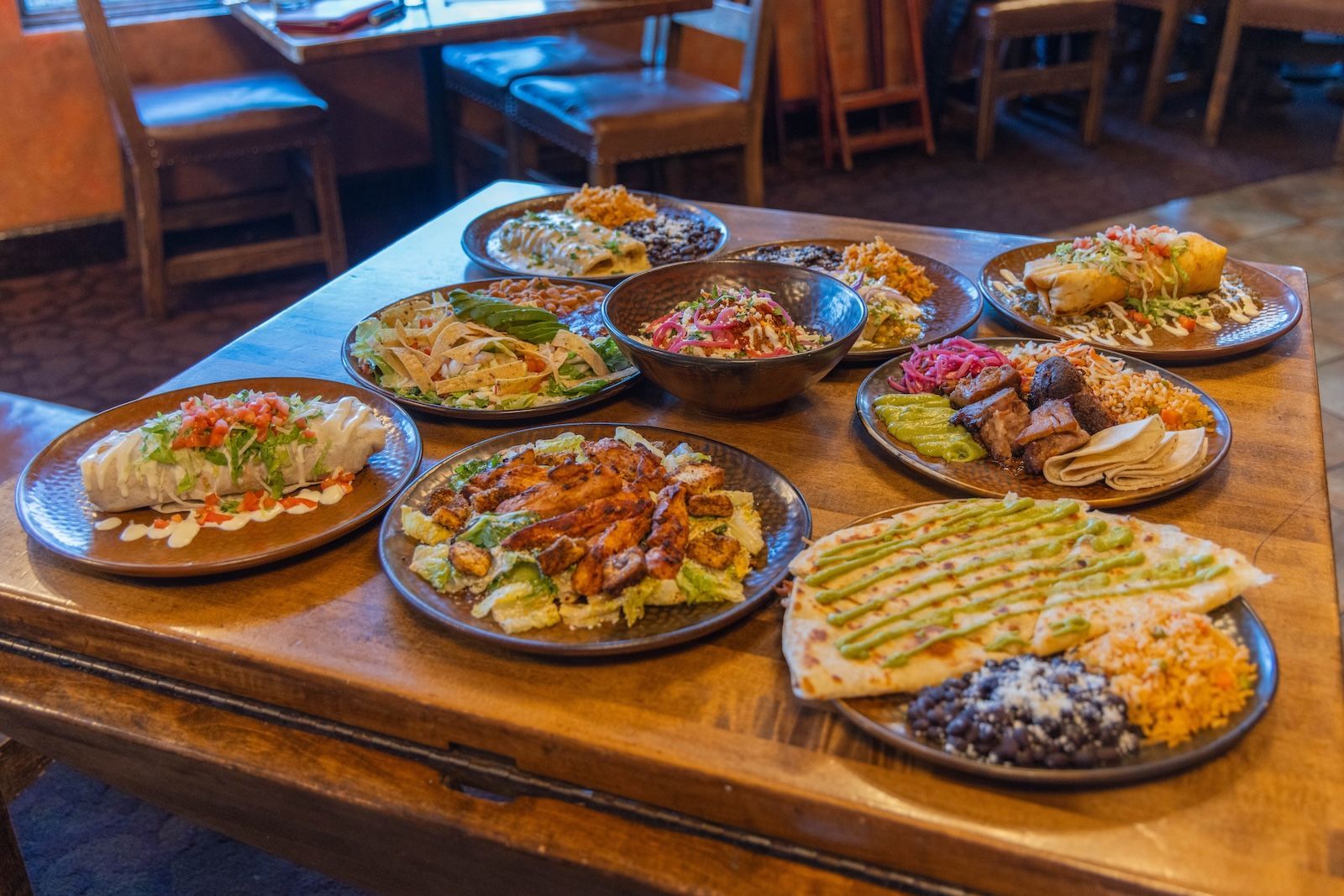
Après-ski is the food and drinks after the lifts close. Mi Casa Mexican Restaurant & Cantina sits at 600 South Park Ave, a short walk from the Peak 9 base and the Quicksilver Chairlift. We have served Breckenridge skiers since 1981.
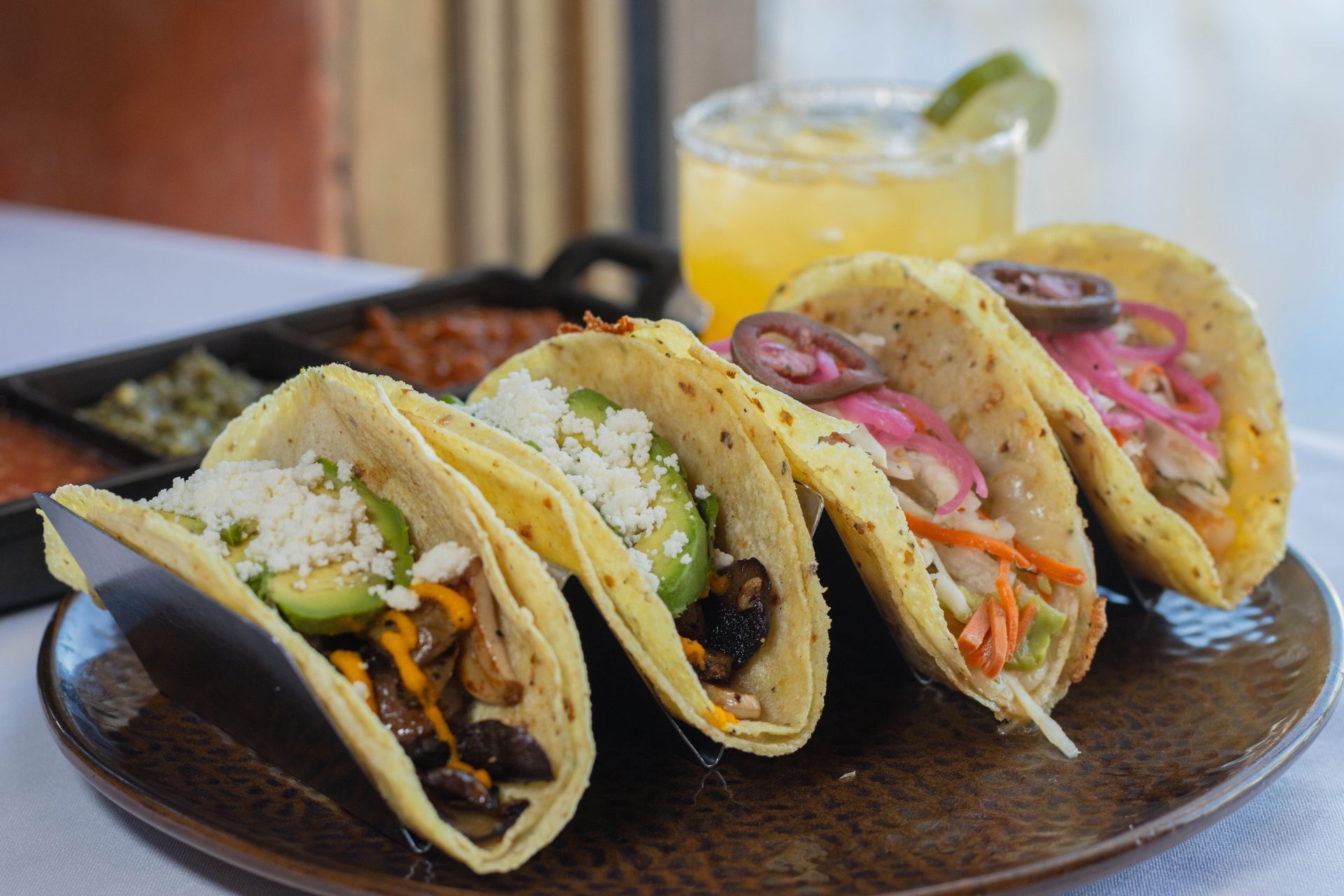
Our après happy hour, 2 to 5 pm, runs daily in the cantina, right as the ski day ends. Pair a margarita with free chips and salsa, or try one of the main styles of margarita on our list.
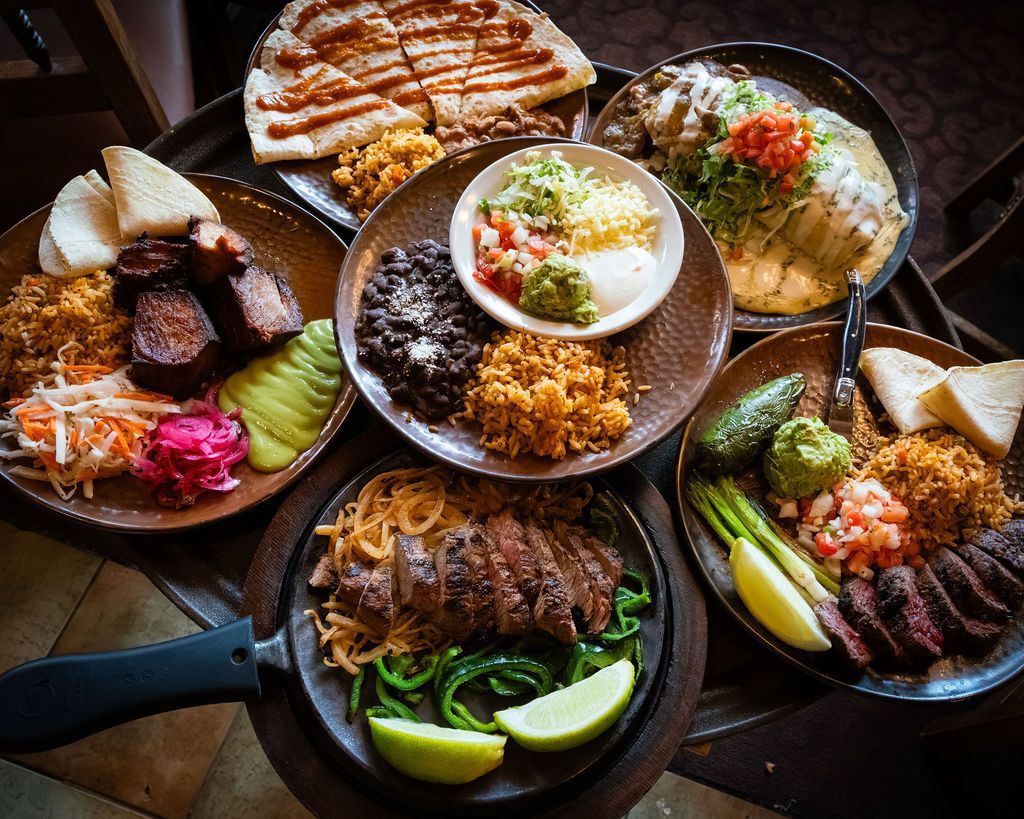
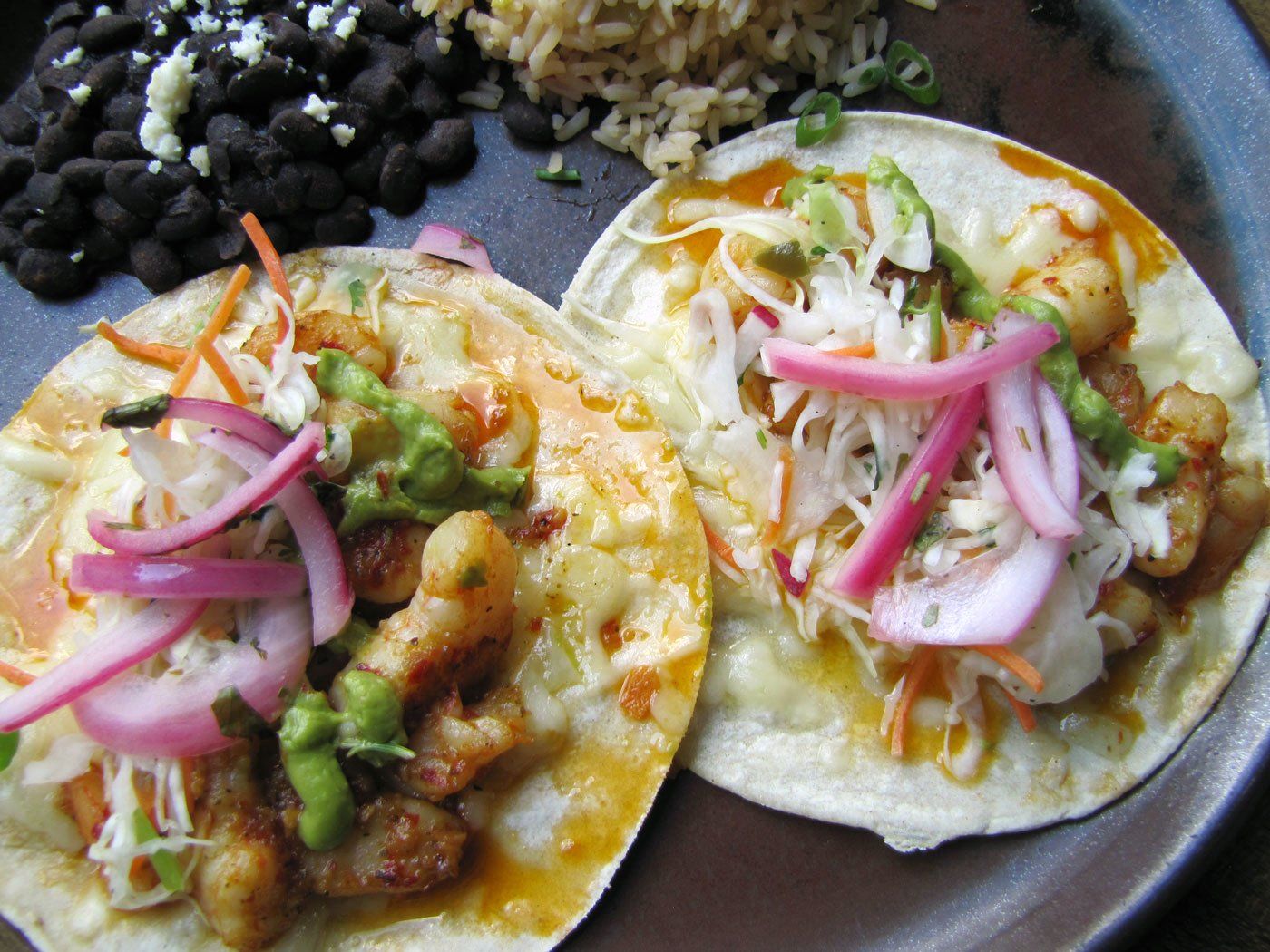
Warm food comes from our scratch kitchen, including birria tacos with consommé for dipping. If you are curious about the dish, read about chile-braised birria and its consommé. The Mi Casa dinner menu of fajitas and rellenos has enchiladas and plenty more too.