Is Mexican Food Too Spicy for Kids?
It is one of the most common hesitations parents have when deciding where to eat with the family. Mexican food has a reputation for heat, and if you have a six-year-old who pushes away anything with visible pepper flakes, that reputation is enough to steer you toward the burger place instead. But the assumption that Mexican food is inherently spicy is largely a misunderstanding of how the cuisine actually works.
The short answer is no, Mexican food is not too spicy for kids. Most traditional Mexican dishes are built on flavor rather than heat, the spicy elements are usually served on the side rather than cooked in, and any decent Mexican kitchen can adjust a dish for a sensitive palate. This guide explains how heat works in Mexican cooking, which dishes are reliably mild, what to order for a cautious eater, and how to ask the right questions when you order.
How Heat Actually Works in Mexican Cooking
The misconception comes from conflating chile with heat. In Mexican cooking, chiles are used primarily for flavor, and most of the chiles used in traditional dishes are mild.
Dried chiles like ancho, guajillo, and pasilla form the backbone of a huge number of Mexican braises and sauces. These chiles are smoky, slightly sweet, and fruity, with very little heat. When you eat a birria or a mole or a red enchilada sauce, the depth of flavor comes from these chiles, not from capsaicin. A dish can be built entirely on chiles and still be mild enough for a toddler.
The genuinely hot chiles, serrano, habanero, and to a lesser extent jalapeño, are used more sparingly and usually in specific applications. They show up in fresh salsas, in a marinade for a particular dish, or in a house hot sauce. They are rarely the foundation of an entire menu.
Just as importantly, the heat in Mexican food is usually additive rather than built in. Salsa comes in a bowl on the table. Hot sauce comes in a bottle. Pickled jalapeños come as a garnish you can leave on the plate. This means the diner controls the heat, which is exactly what you want when feeding kids.
Mexican Dishes That Are Reliably Mild
Plenty of Mexican dishes are mild by default and require no modification at all. These are the safe bets for kids.
Cheese quesadillas. A tortilla, melted cheese, and nothing else. This is about as universally kid-approved as food gets, and it exists on essentially every Mexican menu.
Bean and cheese burritos. Refried or black beans with cheese in a flour tortilla. Filling, familiar, and completely mild.
Carnitas and carne asada. Slow-roasted pork and grilled steak are seasoned for savory depth, not heat. Served plain in a tortilla with a little cheese, they are mild and very approachable.
Chicken tinga. Braised in tomato and chipotle, this has a mild smokiness rather than sharp heat. Some kids love it, though it is worth asking how the kitchen makes theirs since chipotle levels vary.
Rice and beans. Mexican rice and black or refried beans are mild staples that fill out any plate and give a cautious kid something safe to fall back on.
Chile rellenos. Despite the name, these use poblano peppers, which are one of the mildest chiles used in Mexican cooking. Stuffed with cheese and battered, they are rich and mild rather than hot.
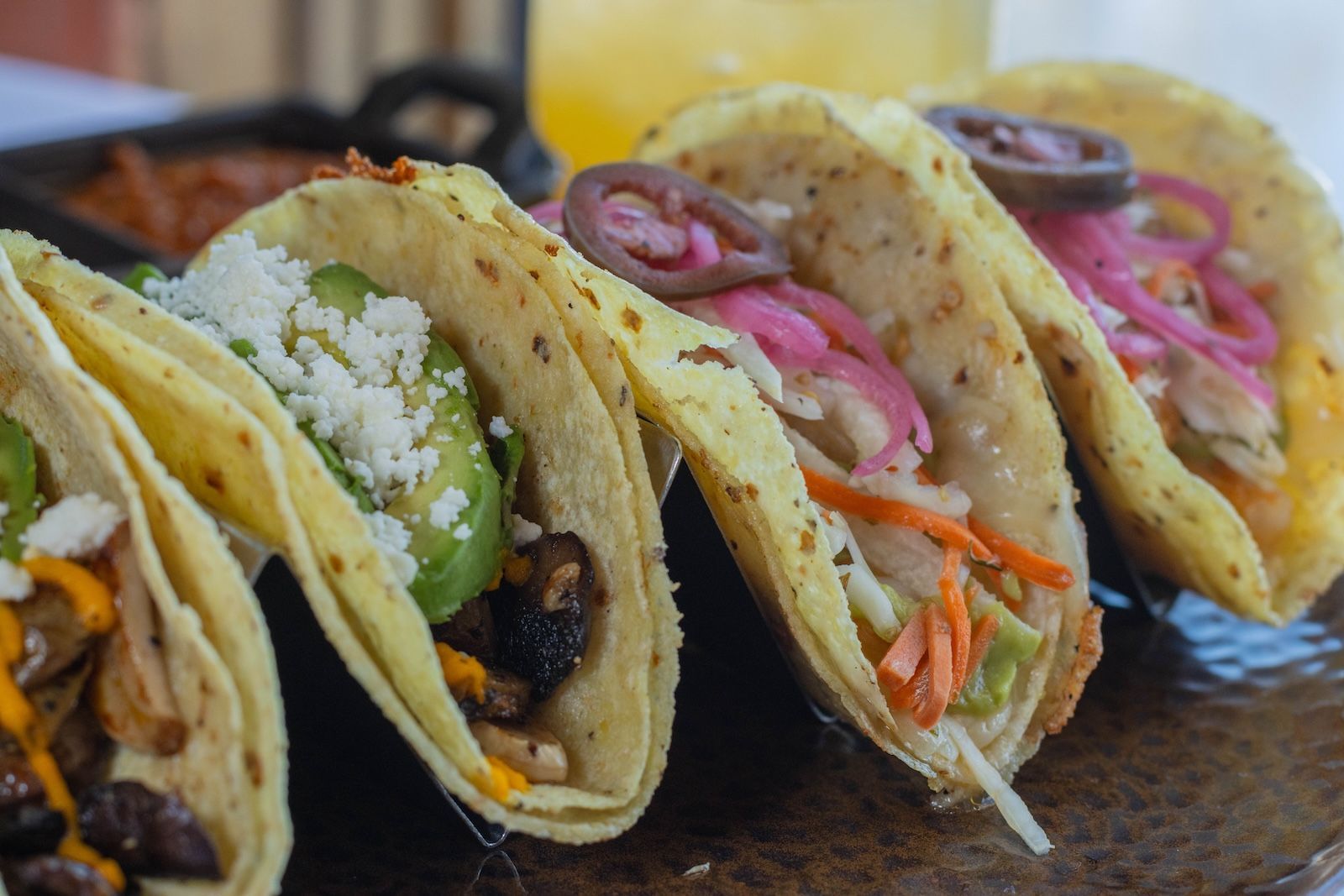
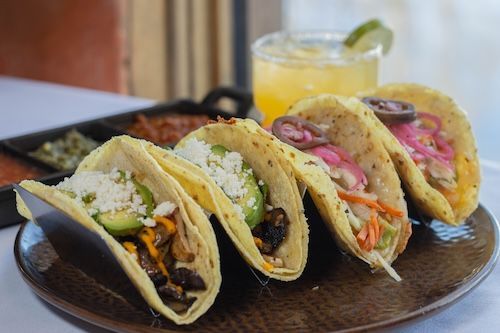
Soft tacos with simple fillings. A plain chicken, steak, or cheese taco with no salsa is mild by construction.
Cheese enchiladas. Ask for them with a mild red sauce rather than a green tomatillo or chile verde sauce and they are usually very approachable.
Elote or esquites. Mexican street corn with cheese, lime, and a light dusting of chile powder that can be left off entirely. Kids often love this.
Churros and flan. Dessert is never spicy, and both of these are reliable crowd-pleasers.
What to Watch Out For
A few things are more likely to carry heat, and they are easy to avoid once you know.
Green sauces and salsa verde. Tomatillo-based sauces often include serrano or jalapeño and tend to be hotter than red sauces. Worth asking about before ordering for a child.
Anything described as spicy, diablo, or fuego on the menu. Restaurants generally label their hot items. Believe the label.
Fresh salsas on the table. The chips and salsa that arrive when you sit down may be mild or may have real heat. Try a small bite yourself before letting a sensitive kid dip in, and ask the server for a milder option if needed. Many restaurants have both.
Pickled jalapeños as a garnish. These are usually easy to spot and remove, but worth checking on a loaded dish.
Hot honey, chile aioli, and similar finishing sauces. Modern Mexican menus often use these. They add heat to dishes that would otherwise be mild, so ask if you are unsure.
How to Ask the Right Questions
Servers at Mexican restaurants field this question constantly and are almost always happy to help. A few questions get you everything you need.
Ask which dishes on the menu are the mildest. This is faster than reading every description and the server will know immediately.
Ask whether the salsa can come on the side. In most cases it already does, but for dishes where a sauce is plated on top, asking for it on the side gives you full control.
Ask if the kitchen can prepare a dish without a specific element. Leaving off the chile aioli, the pickled jalapeños, or the spicy crema is a simple request that any scratch kitchen can accommodate.
Ask about the kids menu. Most Mexican restaurants have one, and everything on it is designed to be mild by default. Even if your child ends up ordering from the regular menu, knowing the kids menu is there as a fallback takes the pressure off.
Introducing Kids to Mexican Food
If you want your kids to actually enjoy Mexican food rather than just tolerate it, a gradual approach works well.
Start with the familiar. Quesadillas and bean burritos are close enough to grilled cheese and wraps that most kids accept them without hesitation. Once those are established, the cuisine stops feeling foreign.
Let them build their own. Tacos and fajitas are naturally interactive. Giving a kid tortillas and a few components to assemble themselves turns the meal into something fun and gives them control over what goes in.
Introduce mild flavor before heat. Move from plain cheese to carnitas to chicken tinga over a few visits. Each step adds a little more flavor complexity without jumping straight to spice.
Keep something safe on the table. Rice, beans, chips, and cheese are always there as a backup. A kid who knows they have a safe option is far more willing to try something new.
Family Dining at Mi Casa
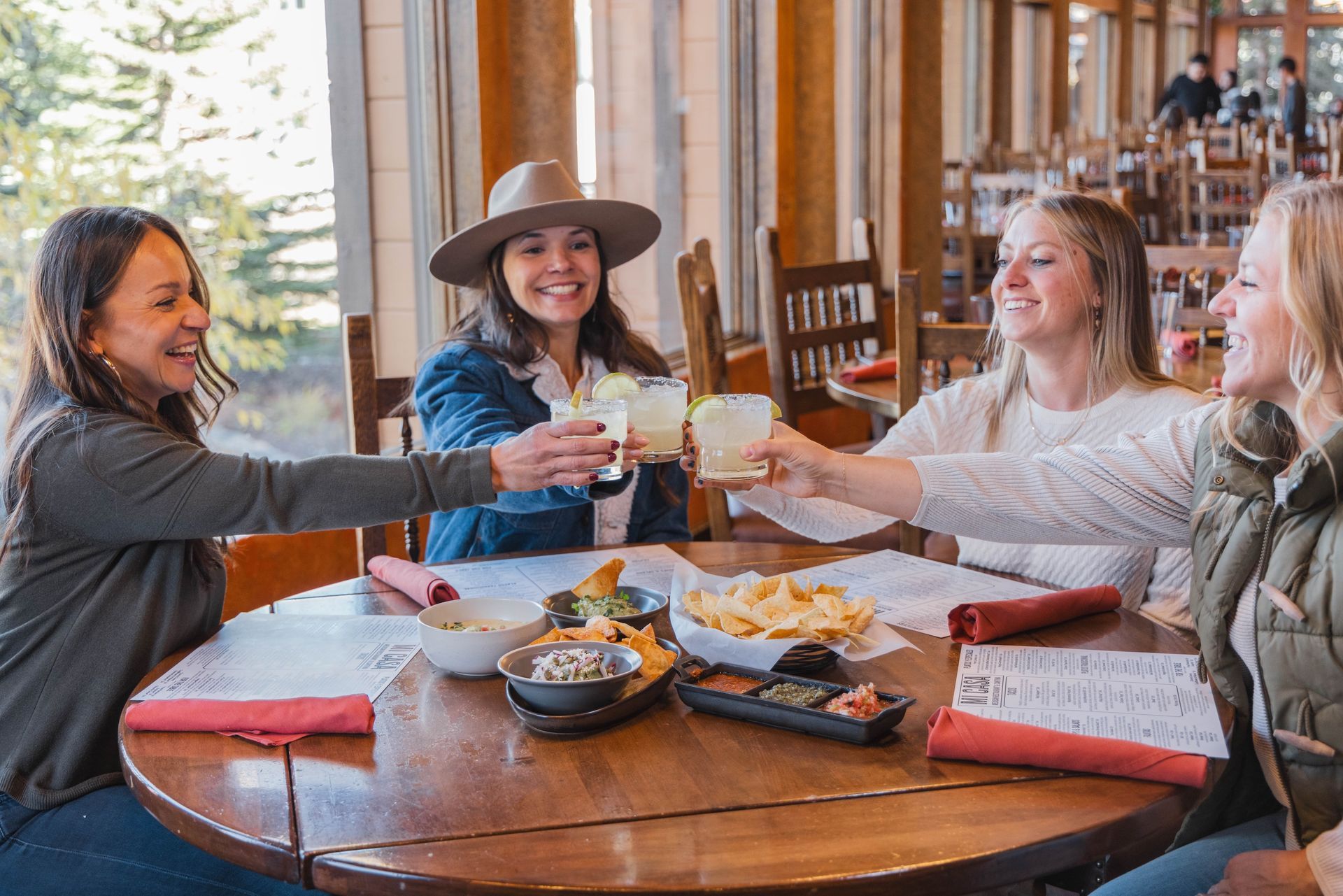
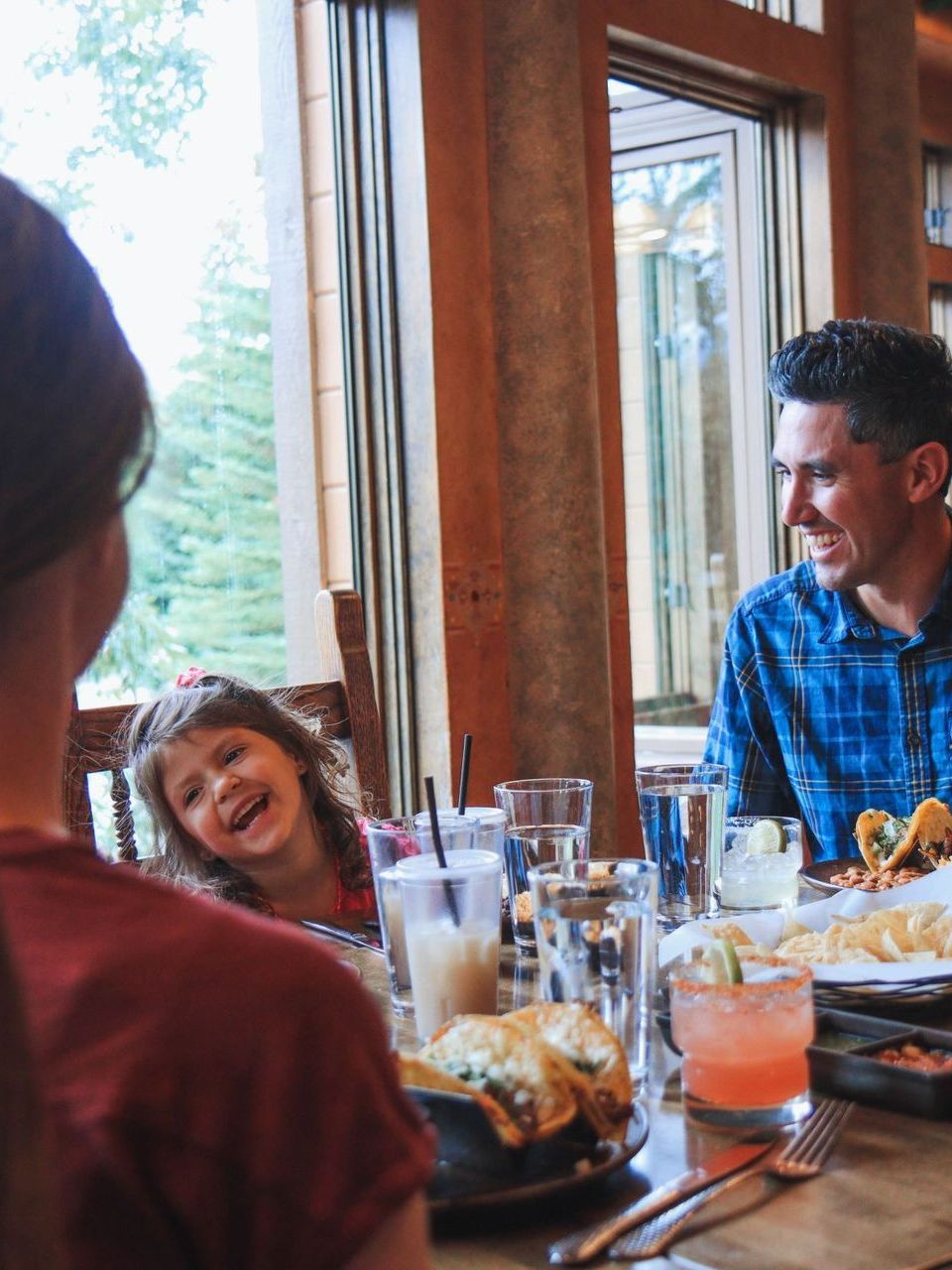
Mi Casa Restaurant & Cantina has been serving families in Breckenridge since 1981, and questions about heat come up all the time. As a scratch kitchen, we make our salsas, sauces, and marinades in house, which means we know exactly what is in every dish and can adjust for a sensitive palate without any trouble.
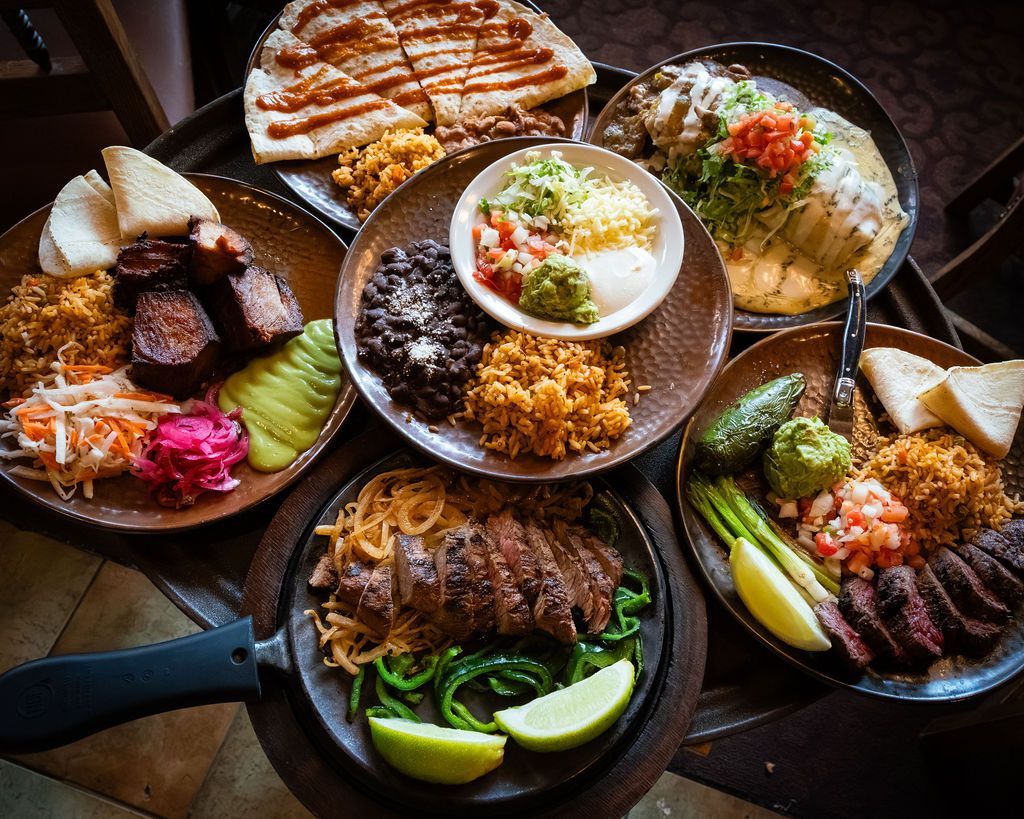
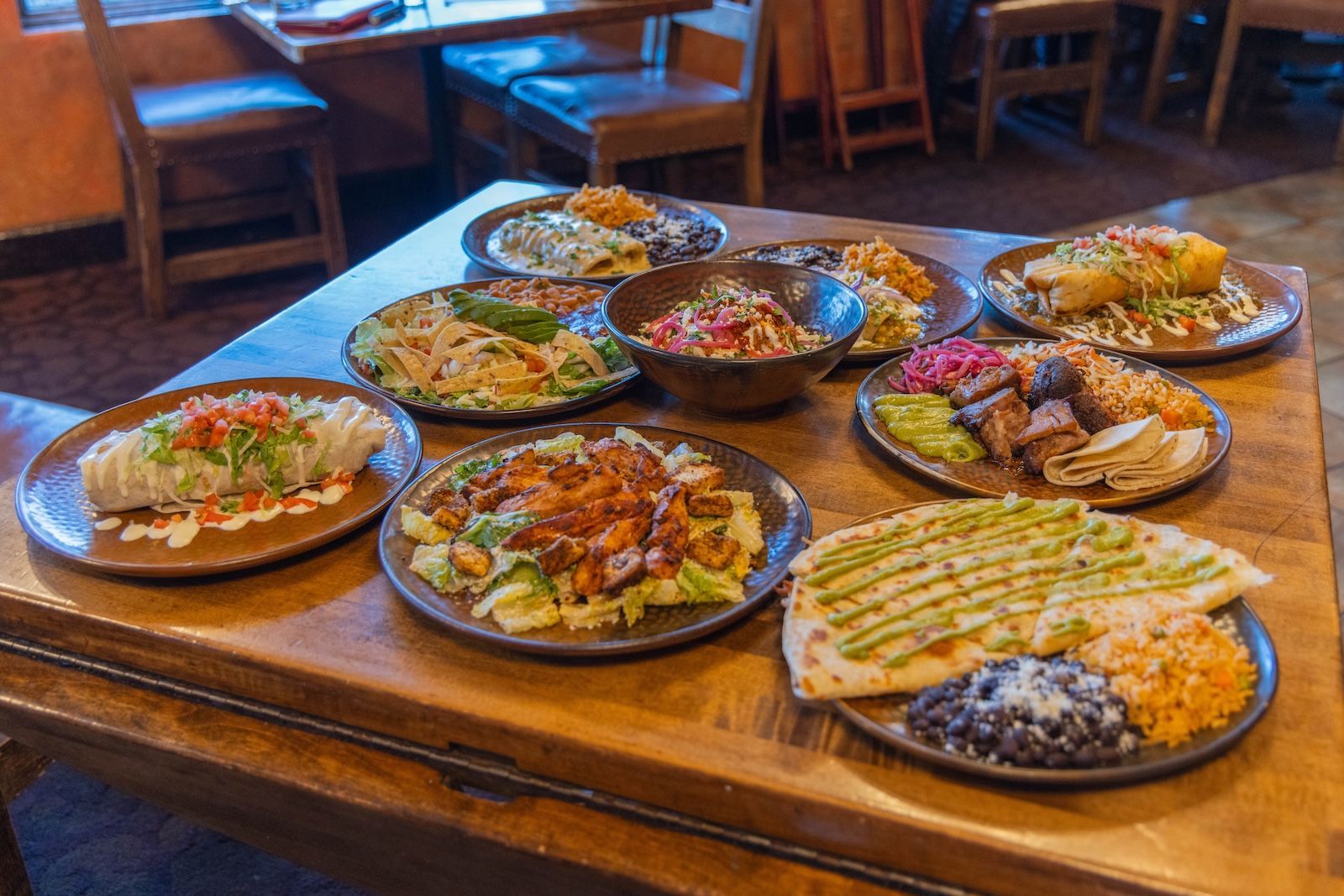
Most of our menu is built on mild chiles like ancho, guajillo, and poblano for flavor and depth rather than heat, and our genuinely spicy items are clearly marked. Our full kids menu keeps things simple and mild, and our servers are always happy to point out the best options for a cautious eater or to leave a spicy element off a dish. We also accommodate gluten free and vegetarian needs across the menu.
You can learn more on our family friendly restaurant page , browse our kids menu , or view the full food menu to plan ahead before you visit.
Final Thoughts
Mexican food is one of the better cuisines for family dining precisely because heat is optional. The flavor comes from mild chiles, the spicy elements are almost always served on the side, and a good kitchen will happily adjust any dish. Ask a couple of questions when you order, start your kids on the familiar stuff, and keep something safe on the table. Do that and Mexican food becomes one of the easiest family meals you can pick, not one of the riskiest.