
The History of Mi Casa Breckenridge: 45 Years of Mexican Food in the Mountains
In a town where most restaurants have lifespans measured in seasons rather than decades, Mi Casa Restaurant & Cantina is something of an outlier. The hacienda-style building at 600 South Park Avenue has been serving Mexican food in Breckenridge since 1981, which makes it one of the oldest continuously operating restaurants in Summit County and a fixture in the town's dining scene since before most of its current customers were born.
This is the story of how Mi Casa got there. Not the marketing version, but the actual history, including the failed first attempt, the grand opening that brought in less than $750 in sales, the four decades of community partnerships, and the 2022 ownership change that kept the restaurant in local hands. If you have ever wondered how a Mexican restaurant in a Colorado ski town ended up outlasting nearly all of its competitors, the answer is here.
The Mike Jarvis Era: The Restaurant That Almost Did Not Make It
Mi Casa was originally founded in the mid-1970s by Mike Jarvis, a restaurateur who saw an opportunity in what was then a small mountain town just beginning its transformation into a major ski destination. Jarvis is an interesting figure in Breckenridge history because his ambitions extended beyond restaurants. He was part of the broader wave of entrepreneurs who saw Breckenridge in the 1970s the way investors had once seen mining towns in the 1860s, as a place where the right idea at the right time could grow into something significant.
The timing of the original Mi Casa was both perfect and terrible. Peak 9 had opened in 1971 (originally called Royal Tiger Mountain), and the Breckenridge Ski Resort was actively expanding. The town was changing fast. New visitors were coming in for the winter season, restaurants were opening to serve them, and there was a real sense that something was being built. But the realities of running a mountain-town restaurant in that era were brutal. Ski seasons were short, often just three or four months. Off-seasons stretched long and quiet. Many businesses simply could not survive on three months of revenue, and Mi Casa was one of them. The original incarnation closed in 1980.
The building did not stay empty for long. The space and the name were too valuable to let sit, and within a year, a new owner would step in and build something far more lasting on the same foundation.
August 5, 1981: A $736.57 Grand Opening
Alexandra Storm bought Mi Casa and reopened it on August 5, 1981. The first day's sales totaled $736.57. That number has become something of a legend in the restaurant's history, and it tells you everything about the scale of the operation in those early years. This was not a polished, well-funded restaurant launch. It was a small business in a small mountain town, opening its doors and hoping people would come.
People came. Slowly at first, then steadily. Storm brought on Dick Carleton as managing partner shortly after the reopening, and the two of them ran Mi Casa together for the next four decades. Carleton has said in interviews that he originally arrived in Breckenridge with about a hundred dollars in his pocket. Whatever happened in those early years between him and Storm worked, because by the late 1980s, Mi Casa had stopped being a small mountain restaurant and had become something more permanent. A staple. A place where locals brought visiting family. A place where the same servers worked year after year. A place that became part of the town's identity.
By 1989, Storm and Carleton had expanded their reach within Breckenridge by opening Hearthstone Restaurant in the historic Kaiser Home, building a restaurant group that would become one of the most influential in the town's hospitality history. They sold Hearthstone in early 2026 after 36 years, but the foundation they built at Mi Casa came first, and it is the foundation that still shapes the restaurant today.
The 1990s Expansion
In the early 1990s, Mi Casa added approximately 2,000 square feet to the lower dining room. This was a major moment in the restaurant's history because it physically committed the business to growth. Up until that point, the restaurant could plausibly have remained a smaller operation. The expansion meant more covers, more staff, more capacity for private events, and a larger physical presence in the south end of Breckenridge.
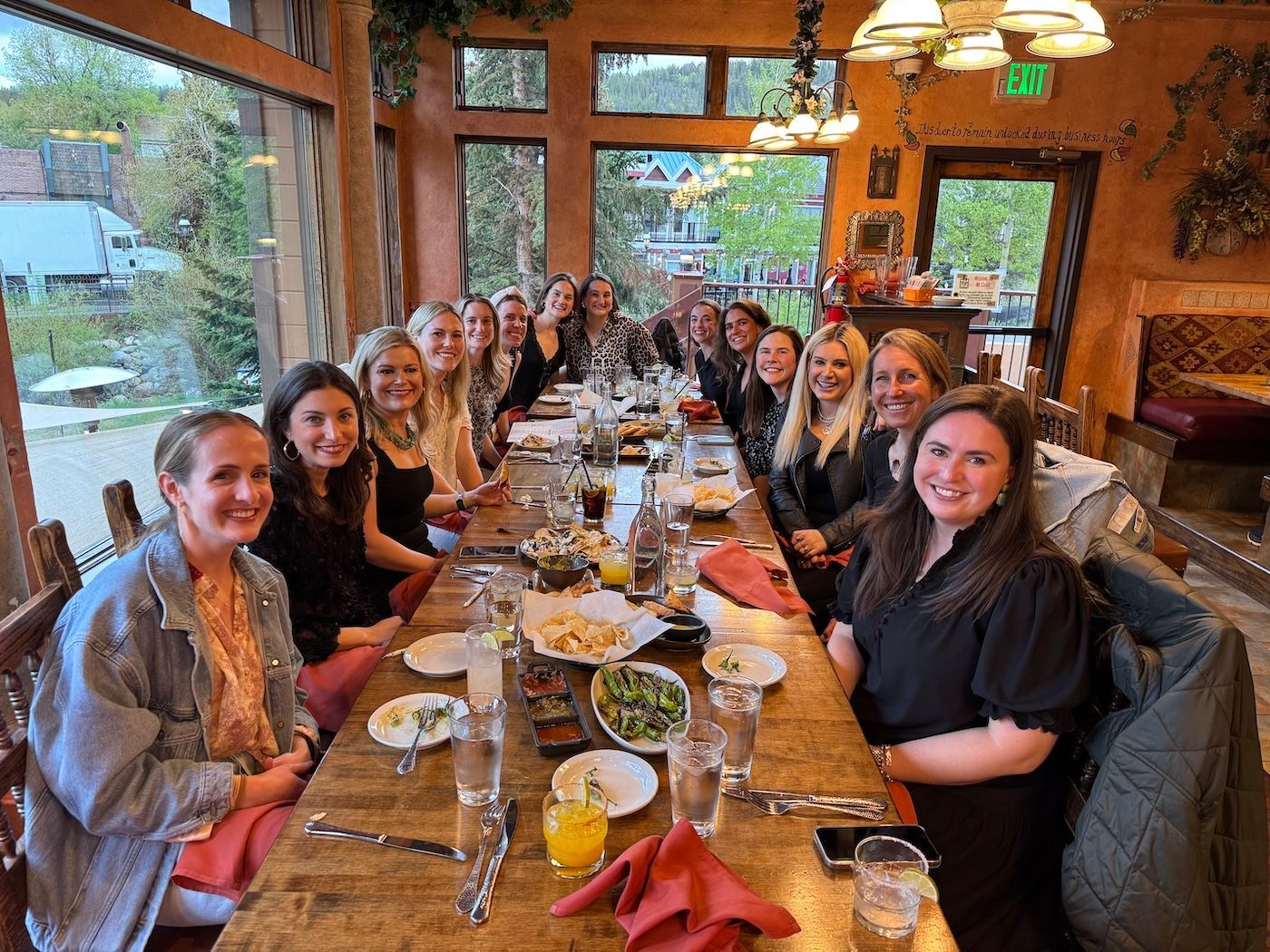
This is also when Mi Casa began establishing its identity as the town's go-to large-group restaurant. The expanded lower dining room could host private events, ski club gatherings, family reunions, and corporate dinners in a way that very few other restaurants in Breckenridge could match. That capability would become one of Mi Casa's defining competitive advantages and remains one today, with the restaurant able to accommodate parties of up to 200 guests for full-restaurant buyouts.
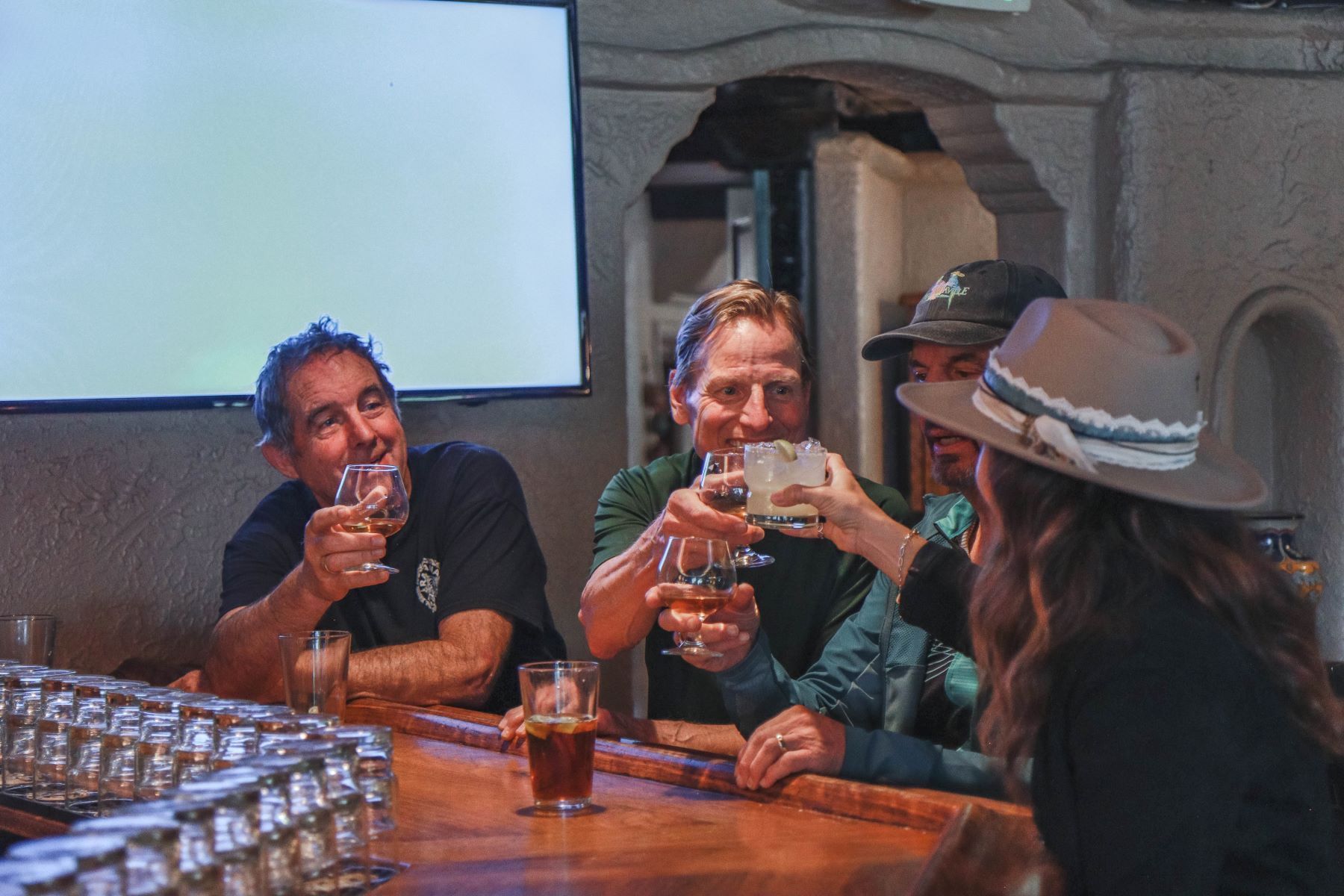
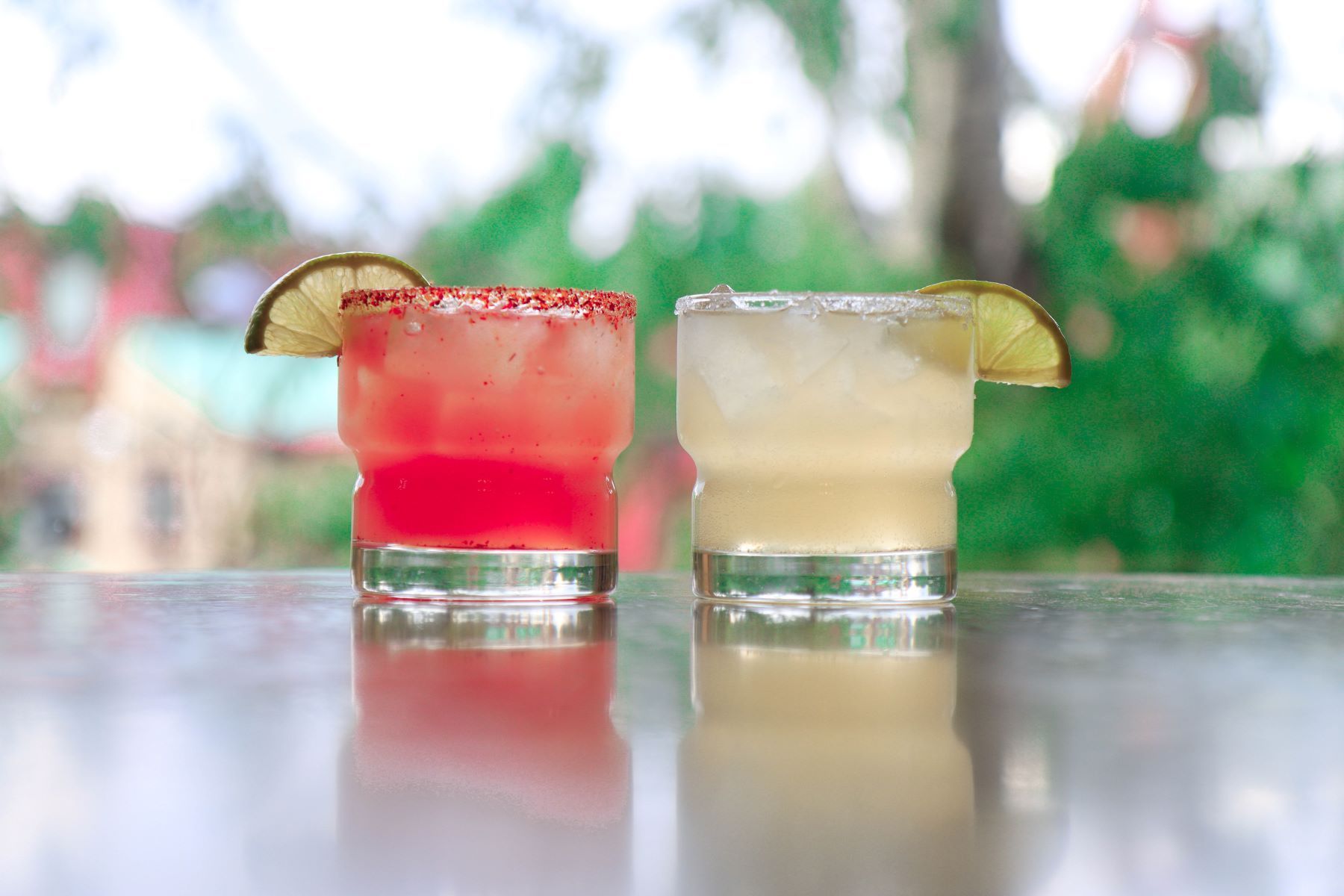
Through the 1990s and into the 2000s, the restaurant also developed its reputation for an enormous tequila program. Members of the Mi Casa team made repeated research trips to Mexico over the years to expand the tequila list, which eventually grew to over 100 selections, the largest in Summit County. The tequila program has remained a cornerstone of the restaurant's identity, and it is one of the things that distinguishes Mi Casa from the more casual Mexican restaurants that have come and gone in Breckenridge over the decades.
The Long-Tenured Team
One of the most underrated parts of Mi Casa's history is its staff. Over the years, the restaurant has employed thousands of people, but a remarkable number have stayed for decades. Manager Julie Ludwig worked at Mi Casa for over 23 years. General manager Tracey Roach worked there for over 18 years. Bookkeeper Cheryl Mattos was with the restaurant for over 20 years. Matt Blake led the culinary team, and longtime kitchen staff including Antonio Vazquez, Ermelando Hernandez, Florencio Martinez, Felipe Martinez, and Reginaldo Garcia spent significant portions of their careers there.
This kind of staff longevity is unusual in the restaurant industry generally and almost unheard of in mountain towns, where the high cost of living and seasonal nature of the work tend to produce high turnover. The fact that Mi Casa retained key staff for two decades or more says something about how the business was run. Carleton has spoken in interviews about how the staff was the key to the restaurant's success, and the data backs him up. The kitchen flavors that customers come to expect at Mi Casa were developed and refined by cooks who had been making the same dishes for ten, fifteen, twenty years. That kind of consistency is impossible to fake.
The 2022 Ownership Change
In December 2022, after 41 years, Alexandra Storm and Dick Carleton sold Mi Casa to a group of local businesspeople. The sale was widely covered in local media because of what it represented: one of Breckenridge's longest-running restaurants changing hands for the first time in over four decades.
The buyers were a real estate investment group led by Peter Joyce, who teamed up with Matt Vawter (the chef-owner of Rootstalk and Radicato in Breckenridge) and Mike Zehnder (a former chef at Copper Mountain Resort who became the new general manager). Joyce had been visiting Mi Casa for nearly thirty years before he bought it. Vawter grew up in Summit County. Zehnder was an established local chef. The continuity of the new ownership team mattered. This was not a private equity firm or an out-of-state restaurant group. It was three people with deep roots in Summit County who understood what Mi Casa meant to the community.
In 2024, Matt Vawter won the James Beard Foundation award for Best Chef: Mountain, an award that covers Colorado, Idaho, Montana, Utah, and Wyoming. The James Beard Awards are essentially the Oscars of the food world, and Vawter's win added a new layer of culinary credibility to Mi Casa's leadership.
The new owners stated from day one that their goal was not to change Mi Casa but to elevate it. The brand identity stayed the same. The community partnerships stayed the same. The hacienda atmosphere stayed the same. What changed was a quiet refinement of the menu, the introduction of more seasonal dishes, the addition of items like Wagyu carne asada and elk tacos, and the launch of new programs like the tequila tasting dinner series featuring premium brands like Casa Loy and Patron.
The Community Side of Mi Casa
A restaurant does not last 45 years in a small town without being deeply tied to the community. Mi Casa's community involvement goes back decades and continues to be a defining part of how the restaurant operates.
The biggest of these partnerships is with the Breckenridge Outdoor Education Center, known locally as the BOEC. The BOEC provides outdoor experiences for people with disabilities and special needs, and Mi Casa hosts the BOEC's annual fundraising event called Fiesta for BOEC. In 2025 alone, the event helped raise $133,000 for the organization. This partnership has been going for years and represents one of the most consistent giving relationships of any restaurant in Summit County.
Mi Casa also partners with The Cycle Effect, an organization that empowers young women through mountain biking on Colorado's Western Slope, and with Treetop Child Advocacy Center, which supports child victims of abuse and their families. The annual Treetop fundraiser dinner sees a portion of proceeds donated directly to the organization.
The community connection also extends to the staff. In 2018, Mi Casa instituted a 3% kitchen surcharge that goes directly to hourly non-tipped employees, divided based on hours worked. The surcharge was designed to address the well-known wage gap between front-of-house tipped staff and back-of-house cooks, prep workers, and dishwashers, and to acknowledge the high cost of living in a mountain resort community. It is unusual for a restaurant of any size to take such a direct approach to internal pay equity, and it has become one of the things Mi Casa is known for among industry watchers.
The restaurant is also Breck Sustainable certified, with documented efforts around energy efficiency and waste reduction, including providing straws and plastic bags only on request.
Why Mi Casa Has Lasted
If you talk to longtime Breckenridge residents about why Mi Casa has lasted as long as it has, a few themes come up consistently.
The location matters. The building sits a short walk from the Peak 9 base area and the Quicksilver Chairlift, which means it has been positioned to capture the post-ski crowd for the entirety of its existence. As Peak 9 grew, Mi Casa grew with it. The proximity to the slopes is one of the most underrated competitive advantages in the local restaurant scene, and Mi Casa got it more or less by accident, simply by being in the right place when the resort expanded.
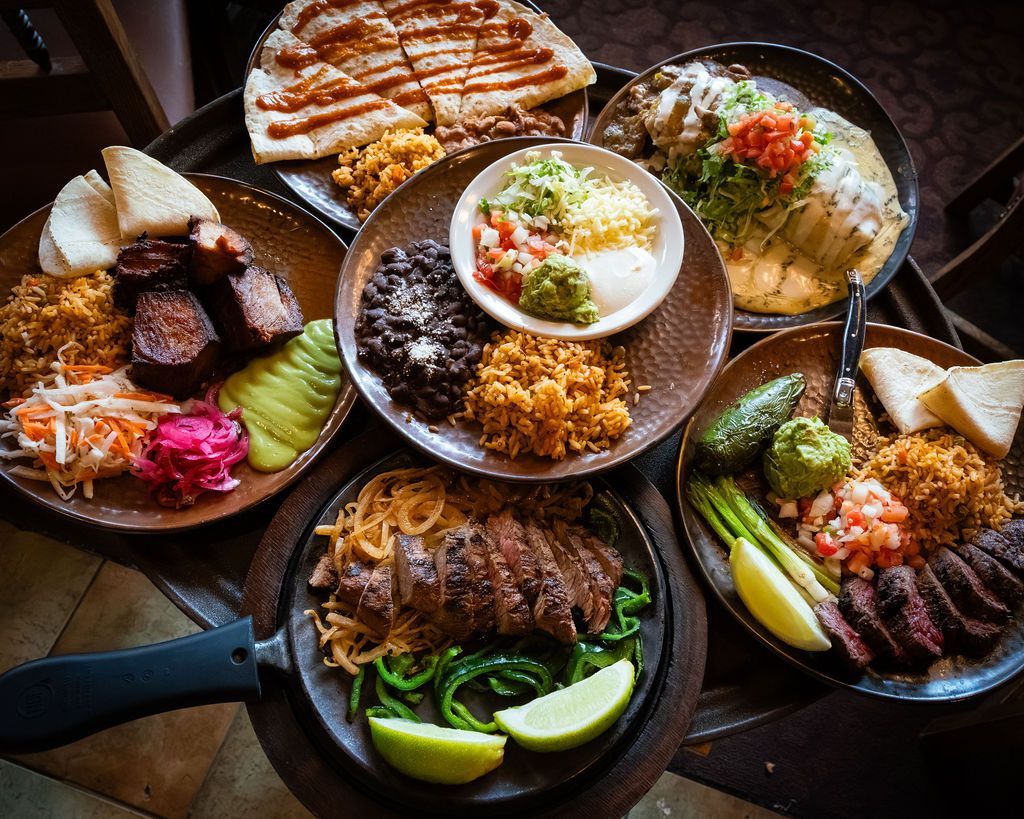
The food matters. Mi Casa has been a scratch kitchen for as long as anyone can remember, which means the salsas, the tortilla chips, the sauces, and most of the proteins are made in-house every day. In an industry where commissary food and central distribution have become the norm, scratch kitchens are increasingly rare. The food is also genuinely good, which is often less common in mountain towns than visitors might expect.
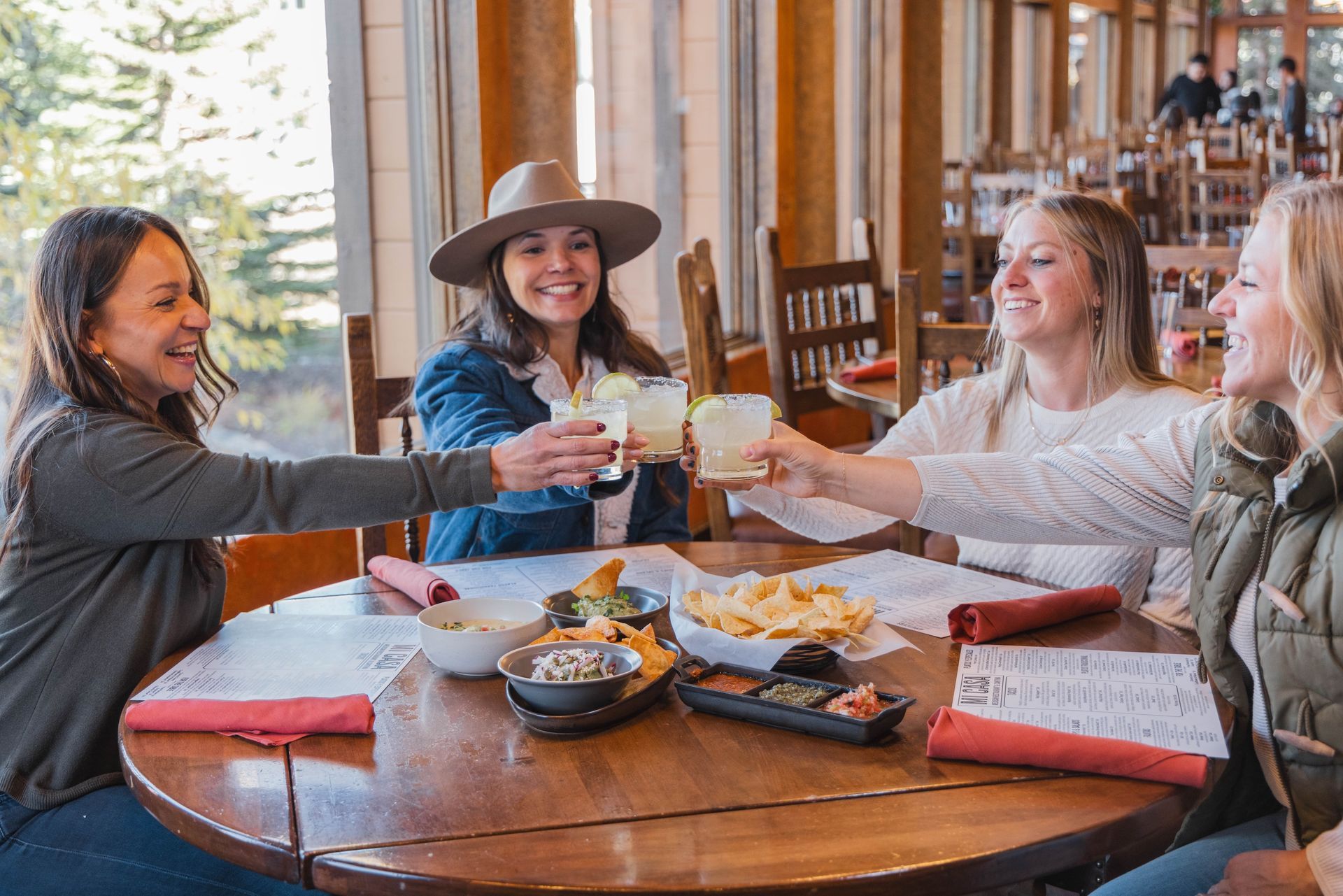
The atmosphere matters. The interior is designed in a hacienda style with original oil paintings, Mexican tiles, and an open layout that feels warm without being kitschy. It is the kind of place that families return to year after year because it feels familiar in a way that newer, trendier restaurants never quite manage.
And the history matters. There is something about eating at a restaurant that has been operating in the same building for 45 years that resonates with people. You are not just having a meal, you are participating in something that predates most of the current Breckenridge dining scene by decades. For families who have been visiting Breck for thirty years, Mi Casa is often the one constant on every trip.
A Strange Piece of Trivia
One last bit of Breckenridge restaurant history worth mentioning. Mike Jarvis, the original founder of Mi Casa, had connections to the early development of the Breckenridge Ski Resort itself. The exact details of his role have become blurry over the decades, but the fact that the restaurant's founder was tied to the same era that produced the modern resort is a small but meaningful reminder that Breckenridge as it exists today was built by a relatively small number of people in a relatively short period of time. Mi Casa is one of the threads that connects the early resort era to the present day.
Mi Casa Today
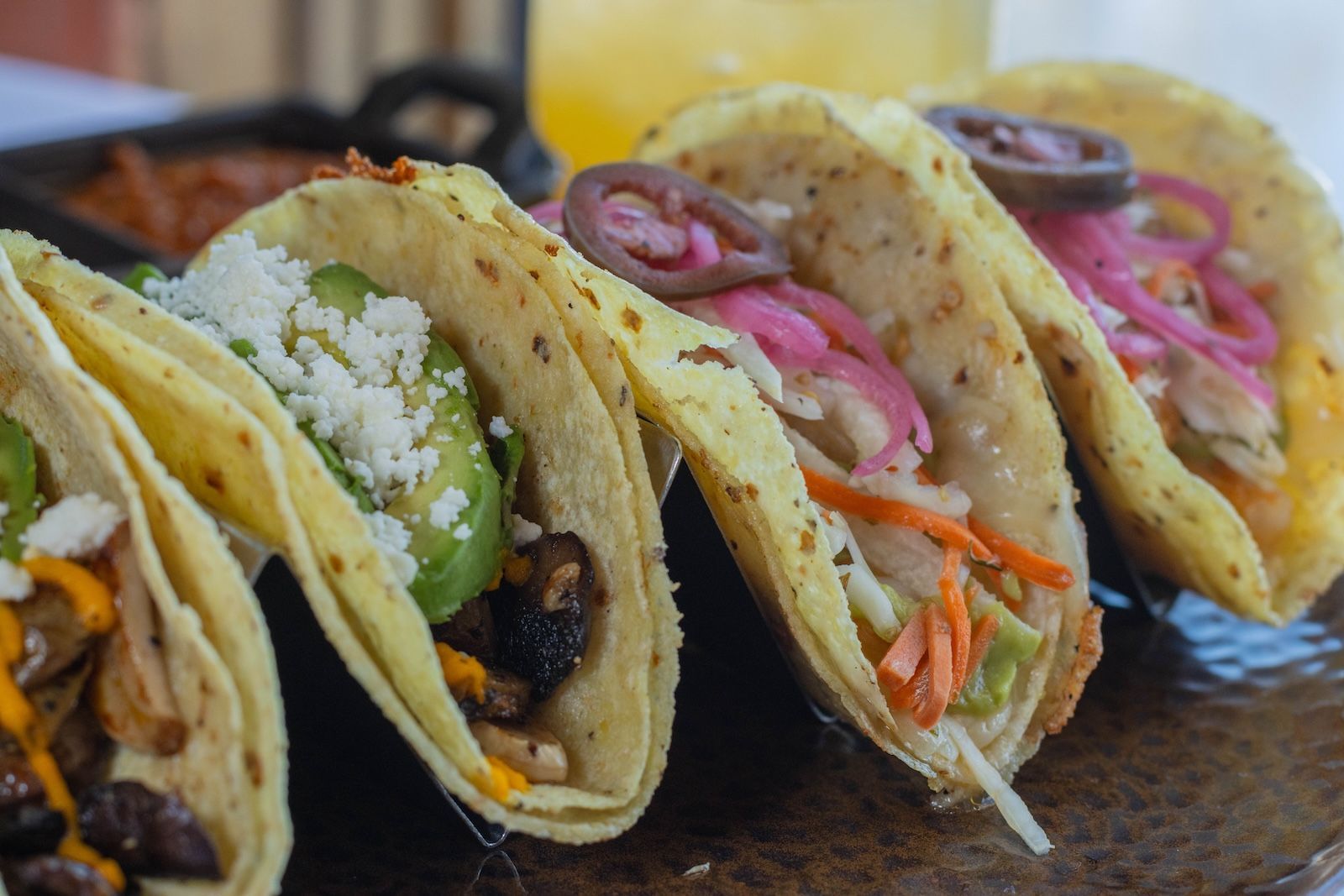
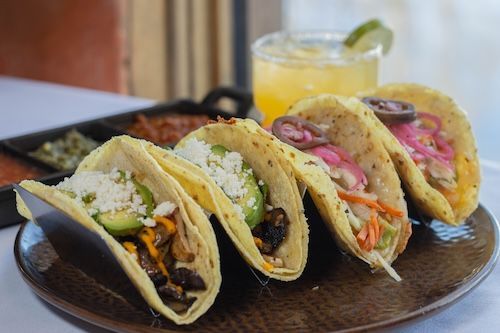
Today, Mi Casa is run by Mike Zehnder as general manager and Bruce Carlton as chef, with Liz Entwhistle handling private events. The restaurant is open daily from 11:30 AM to 9 PM, with happy hour in the cantina from 2 PM to 5 PM. The menu features traditional Mexican dishes alongside elevated additions like Wagyu carne asada, Rocky Mountain elk tacos, and quesabirria tamales. The tequila list still ranks among the largest in Summit County, with over 100 selections including premium sipping tequilas like Clase Azul and Casa Dragones.
Reservations are accepted only for parties of eight or more, with everything else handled walk-in. Private events of up to 200 guests are bookable through the events team. The catering program serves corporate events, family gatherings, and team meetings throughout Summit County.
For first-time visitors and longtime locals alike, Mi Casa remains what it has been for 45 years. A scratch kitchen serving Mexican food. A community gathering spot. A short walk from the slopes. The kind of place you return to.
If you want to see what is on the menu these days, check out the food menu or read about our happy hour specials . For private events and large group dining, visit our private events page or contact the events team directly.
Forty-five years in. Same building. Same approach. Same commitment to making everything in-house and treating the community well. Whatever the next forty-five years bring, the foundation is in place.